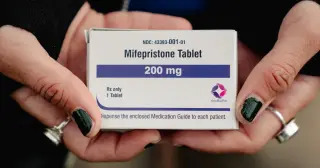
SCOTUS on Monday kept full access to mifepristone while it weighs next steps in a case that could curb mail distribution of the abortion pill, extending a temporary pause to 5 p.m. Thursday after a lower-court ruling that would have blocked mail administration was blocked.
After the 5th Circuit reinstated a requirement that mifepristone be dispensed in person, abortion-rights advocates warned telehealth access could falter. While that concern persists, many providers say they’ve prepared contingency plans—relying on in-person dispensing options where possible and adapting telehealth protocols—to preserve access as legal battles continue.
The Supreme Court has restored access to the abortion pill mifepristone via telehealth, mail, and pharmacies, expanding nationwide availability and reinforcing how abortion services can be accessed amid ongoing legal disputes over reproductive rights.
A New Orleans-based 5th Circuit panel blocked mailing of mifepristone, requiring that the abortion pill be distributed only in-person at clinics, a ruling that could curtail abortion access nationwide and complicate telemedicine for abortion and miscarriage care.
Texas lawmakers have passed a bill allowing private citizens to sue physicians and distributors who mail abortion pills into the state, aiming to restrict access to abortion medications and potentially sparking legal battles over interstate law enforcement. The bill also prohibits manufacturing abortion drugs in Texas and excludes hospitals and pregnant women from lawsuits, with the governor expected to sign it into law.
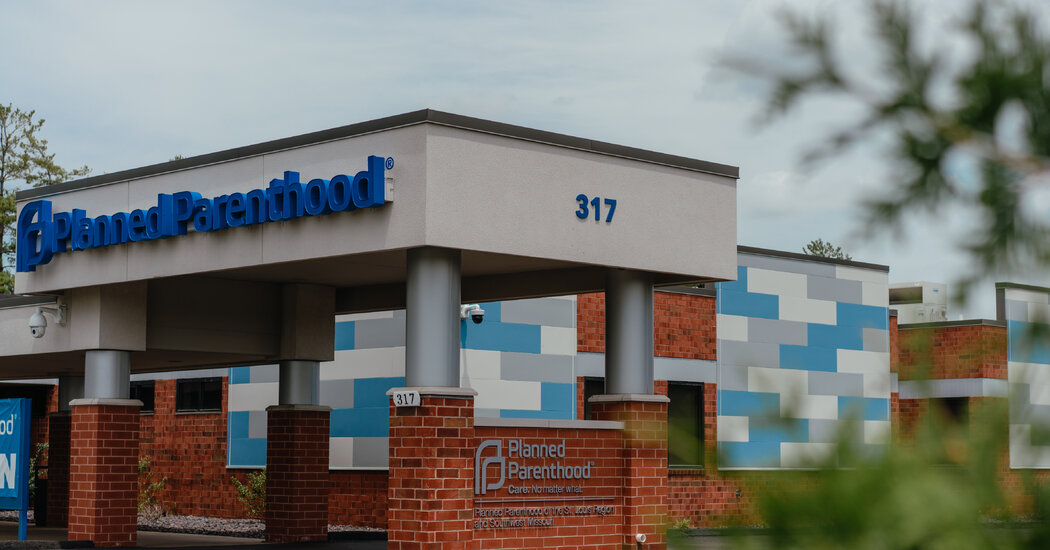
The new spending bill threatens to cut federal Medicaid funding for Planned Parenthood, potentially leading to the closure of nearly 200 clinics and impacting abortion access in states where it is still legal, as affiliates face tough decisions on whether to continue offering abortions amid funding uncertainties.
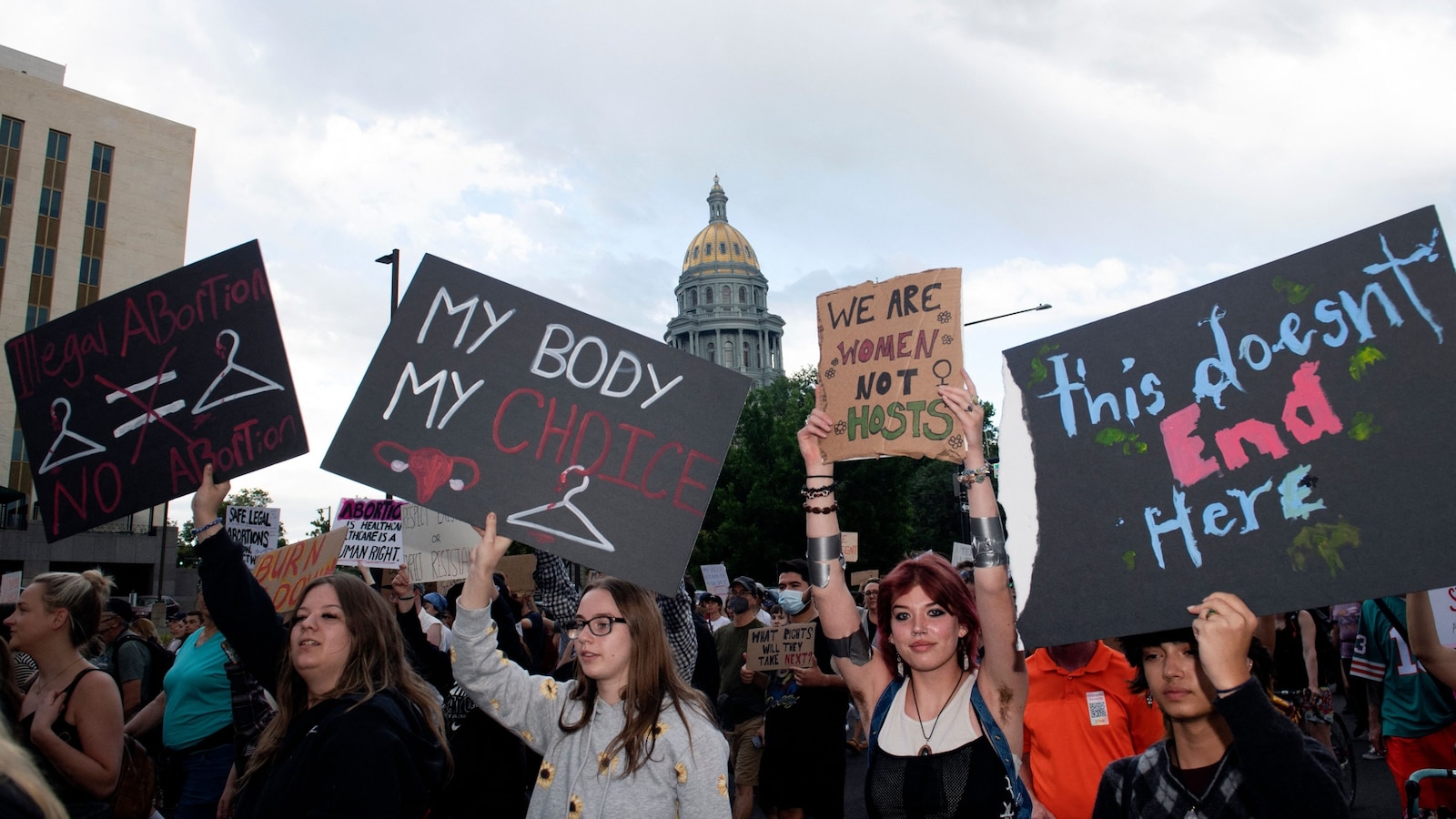
The Coloradans for Protecting Reproductive Freedom coalition has gathered over 225,000 signatures, surpassing the threshold to get a constitutional amendment on the state's 2024 ballot to enshrine abortion access. The proposed amendment aims to secure the right to abortion and prevent the state from restricting access or prohibiting health insurance coverage for abortion. This comes in the wake of the Arizona Supreme Court upholding a law banning nearly all abortions, highlighting the vulnerability of reproductive rights across states. The campaign is confident about its efforts, with a diverse range of supporters, and Colorado may see dueling ballot initiatives on abortion access in 2024. Similar measures are also expected to appear on the ballots in New York, Maryland, and Florida.
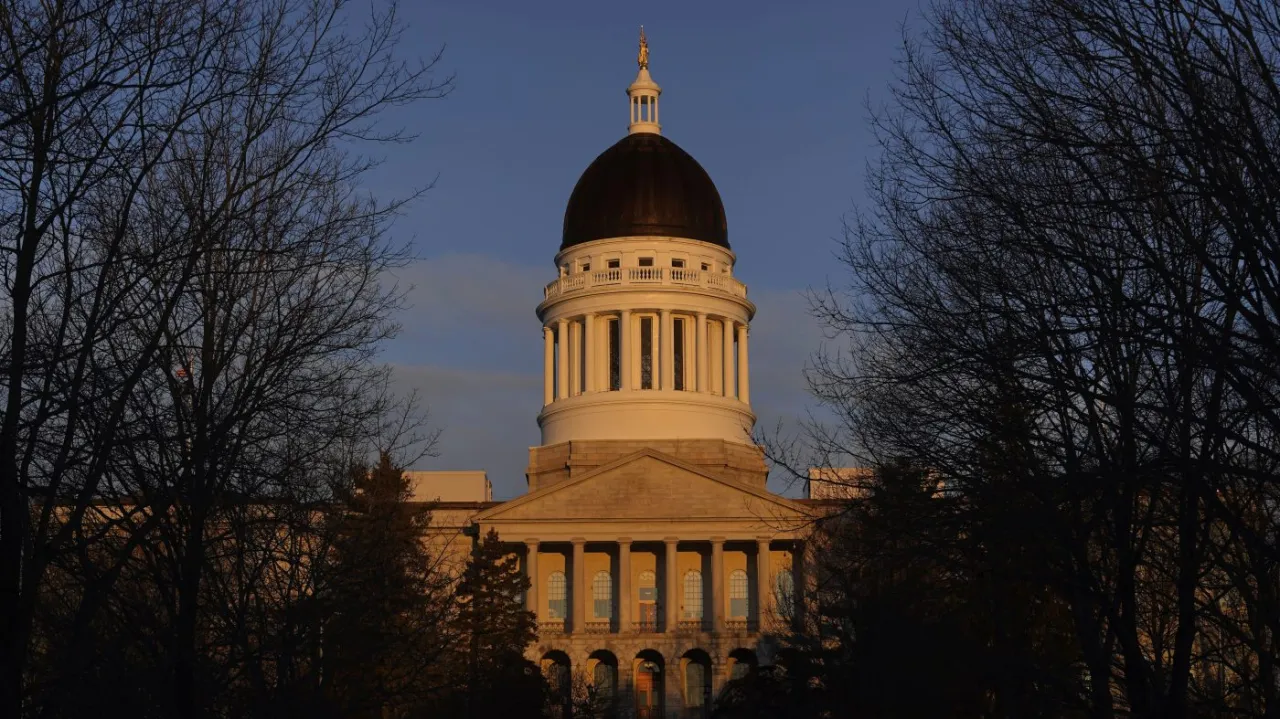
Maine State Rep. Michael Lemelin (R) suggested that the mass shooting in Lewiston was a consequence from God after the passing of a law expanding abortion access, drawing condemnation from fellow lawmakers. Another state lawmaker, Rep. Shelley Rudnicki (R), expressed agreement with Lemelin's remarks. State Rep. Rachel Henderson (R) later described the remarks as "reprehensible" and apologized to fellow members, while State Assistant House Majority Leader Kristen Cloutier (D) issued a statement condemning the behavior. Lemelin and Rudnicki are slated for a censure vote in response to their remarks.
Maine GOP lawmaker Michael Lemelin suggested that the deadly mass shooting in Lewiston was a consequence of the passage of a law expanding abortion access, drawing condemnation from lawmakers on both sides of the aisle. The House is set to vote on censuring Lemelin and another Republican lawmaker, Shelley Rudnicki, for their comments, with House Speaker Rachel Talbot Ross calling their remarks "extremely offensive and intentionally harmful" to the shooting victims and their families. If they do not issue formal apologies, they may be denied the ability to vote or speak on the House floor.
The Arizona Supreme Court is expected to rule on whether the state's ban on nearly all abortions after 15 weeks will stay in place or revert to a much older law that prohibited the procedure in all cases except when necessary to save a pregnant person's life. The court's decision in Planned Parenthood of Arizona vs. Mayes/Hazelrigg is anticipated to be filed at approximately 10 a.m. PT on Tuesday, following months of legal uncertainty and conflicting rulings. This ruling comes as abortion rights organizations in Arizona have gathered enough signatures for a 2024 ballot measure to enshrine abortion rights in the state's constitution.
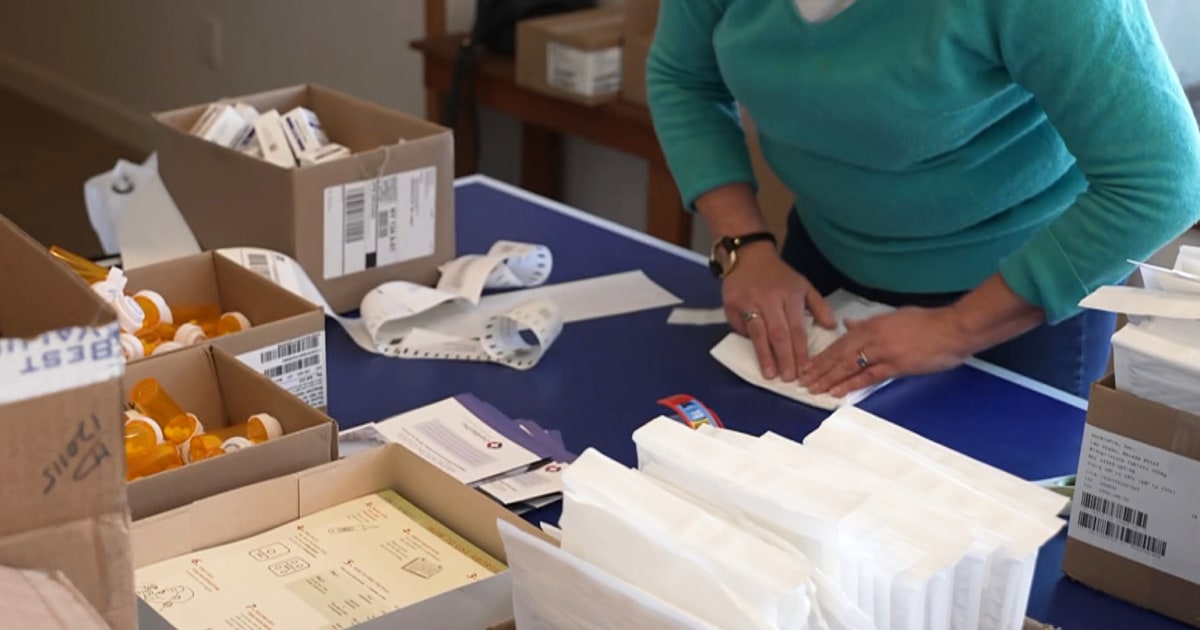
In response to increasing threats to abortion access in the U.S., a network of abortion pill providers, including Plan C, Aid Access, Hey Jane, and Just the Pill, has mobilized to ensure access to abortion medication through various means such as telemedicine, mailing pills, and setting up mobile clinics. Shield laws in six states protect providers who prescribe and ship abortion pills to patients in states with bans, and efforts are underway to expand international pill providers to help with telehealth prescription access in the U.S. The network is working together to navigate the changing abortion landscape and ensure access to reproductive healthcare for those in need.
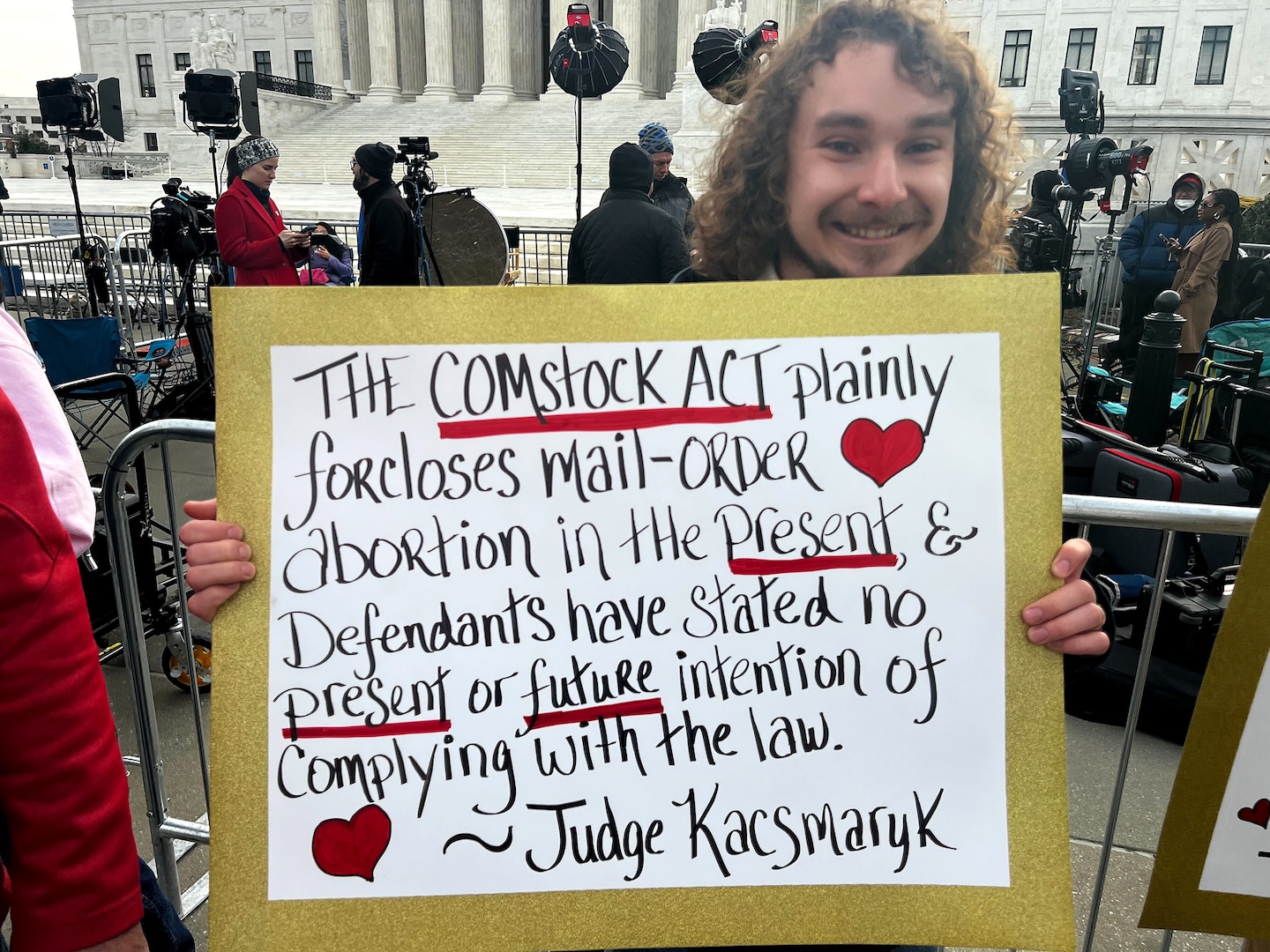
During oral arguments, Supreme Court justices Alito and Thomas repeatedly referenced the 1873 Comstock Act in relation to the abortion drug mifepristone, raising concerns about potential threats to abortion access. Legal experts anticipate the court will rule to preserve the FDA's authority, but fear the justices may write a separate opinion focused on the Comstock Act, providing legal cover for a future administration to invoke it. Antiabortion activists have sought to use the law to block mailing of abortion-related drugs, while the Biden administration staunchly opposes such efforts.
Olivia Rodrigo's GUTS tour initially offered emergency contraceptives, condoms, and abortion access resources to concertgoers through the organization Right by You, but later decided to prohibit abortion funds from distributing contraceptives due to the presence of children at the concerts. Despite this, informational material on delivery options for contraceptives will still be available.
Vice President Kamala Harris plans to visit a Planned Parenthood clinic in Minnesota that provides abortion services, marking the first time a president or vice president has visited such a clinic in U.S. history. Harris, a vocal advocate for abortion access, will tour the clinic, speak to healthcare providers, and possibly address reporters outside. This visit is part of her "Fight for Reproductive Freedoms" tour and comes amid a push for more abortion access following the overruling of Roe v. Wade.
Florida lawmakers have delayed a "fetal personhood" bill that would grant fetuses civil rights, following concerns that it could impact in vitro fertilization (IVF) treatments and abortion access. The bill, which defines a fetus as an "unborn child", has been postponed after a similar ruling in Alabama affected IVF clinics. Republican sponsors have acknowledged the need for further work on the legislation, and it is unlikely to pass before the current legislative session ends. The surge in such bills across multiple states marks the largest increase since the overturning of Roe v Wade in 2022.