Nvidia shares dropped 14% Friday after reports that the US Securities and Exchange Commission is probing the chipmaker's accounting practices. The decline follows the resignation of CEO Jensen Huang amid scandals involving alleged extramarital affairs and suspected Chinese espionage. The company has lost over $2.5 trillion in market value since its October peak, raising questions about its financial disclosures and client dealings in Asia.
Grant Thornton has agreed to acquire publicly listed rival CBIZ for $5 billion in cash, marking the largest takeover in the US accounting sector in decades. The deal positions Grant Thornton as the largest audit and consulting firm in the US outside the Big Four, with combined revenues exceeding $5 billion. CBIZ shareholders will receive $55 per share, representing an 18% premium to recent trading levels, though the valuation is significantly lower than its peak earlier this year. The acquisition reflects a broader trend of private equity-driven consolidation in the mid-market accounting industry, following Grant Thornton’s majority stake sale to a consortium led by New Mountain Capital two years ago. CBIZ, the only audit firm listed on the US stock market for nearly 30 years, had recently expanded by acquiring Marcum in 2024 but faced declining valuations due to earnings disappointments. New Mountain Capital plans to spin off CBIZ’s non-accounting businesses, including retirement and insurance services, after the deal closes. The combined entity will offer CBIZ clients access to Grant Thornton’s international network, enhancing global service capabilities for small and medium-sized businesses.
SoFi, led by Anthony Noto, grew from a student-loan startup into a tech-forward bank with a broad product lineup and a near $40 billion valuation, but its stock slump and a scathing Muddy Waters report have investors questioning its accounting and profitability, blurring the line between a high-growth fintech and a traditional lender.
SOFI stock fell about 5% after Muddy Waters published a short report alleging accounting “abuses” and overstated loan performance, with adjusted default rates significantly higher than SoFi’s figures and claims insiders benefit from share issuances via prepaid forward deals; SoFi says CEO Anthony Noto has not sold shares. Despite Q4 2025 revenue of $1.01 billion, the stock has tumbled year-to-date and analysts remain cautious with a Hold rating and a roughly $26 target.
The UK's largest accounting body, ACCA, will cease allowing remote exams from March due to rising AI-assisted cheating, citing the difficulty in policing online tests and the rapid technological advancements that outpace safeguards.
The ACCA is ending remote exams due to rising cheating concerns, especially with advances in AI, and will require in-person assessments, while also updating its curriculum to include emerging technologies like AI and blockchain.
Wei Khjan Chan, an accountant with nearly 20 years of experience, learned vibe coding to leverage AI tools for automating tasks and staying relevant in his profession, advocating for broader AI training in accounting to address workforce shortages.
PwC predicts that within three years, entry-level accountants will take on managerial roles by overseeing AI-driven audit tasks, prompting a shift in training focus towards foundational skills and critical thinking to adapt to automation and AI integration in the industry.
Senate Republicans are using a controversial accounting tactic to significantly reduce the estimated cost of their domestic policy bill by changing the baseline for budget calculations, which has sparked opposition from Democrats and raised concerns about precedent and fiscal transparency.
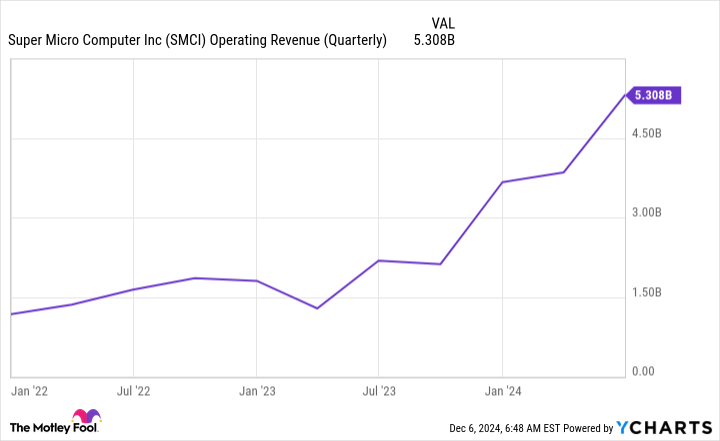
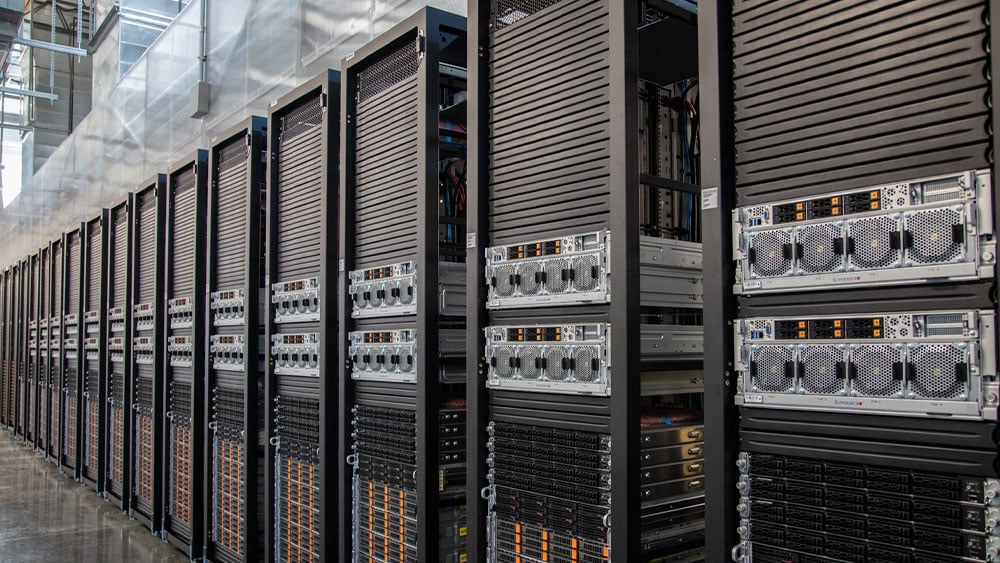
Super Micro Computer's stock has experienced significant volatility in 2024, initially soaring due to high demand for its AI server components, similar to Nvidia. However, allegations of accounting fraud and subsequent investigations led to a sharp decline. A special committee found no wrongdoing, leading to a partial recovery, but the stock remains below its peak. Investors are now questioning if it can regain its previous highs.
Super Micro Computer (SMCI) received an extension from Nasdaq to submit key financial filings, boosting its stock by nearly 10%. The company, a partner of Nvidia, now has until February 25 to file its 10-K and 10-Q reports, avoiding a potential delisting. This follows a significant stock rebound after hiring a new auditor and an independent committee finding no wrongdoing, despite previous accounting concerns and an SEC probe.
Super Micro Computer's stock surged by 20% after an independent investigation found no wrongdoing in its accounting practices, despite concerns raised by its former auditor, EY. The probe concluded that the issues did not compromise the integrity of the company's financial statements, and no restatements are expected. However, the report recommended replacing CFO David Weigand, a process that is currently underway. The company's shares have been volatile but are up nearly 40% year-to-date.
Macy's has delayed its quarterly earnings release after discovering an employee intentionally made accounting errors totaling $132 million to $154 million over three years. Experts suggest this indicates a failure of internal controls, as such errors should have been detected earlier. The company has fired the responsible employee and launched an investigation. The incident raises questions about Macy's internal accounting practices and the effectiveness of its auditor, KPMG, in identifying such issues. The situation highlights the importance of robust internal controls and transparency in financial reporting.
Super Micro Computer's stock surged nearly 16% as the company rebounded from recent setbacks, including accounting irregularities and the resignation of its accounting firm, which had previously spooked investors. The stock's recovery is attributed to the resolution of these issues and the company's strong position in the AI market, alongside giants like Nvidia and Microsoft. Analyst Ray Wang expressed confidence in Supermicro's comeback, highlighting its potential as a key player in AI technology.
UPS has agreed to pay a $45 million penalty after the SEC found that the company improperly valued one of its business units, leading to misrepresented earnings. The SEC stated that UPS failed to adhere to generally accepted accounting principles (GAAP) in this valuation.