Tag

Ai Behavior

All articles tagged with #ai behavior

PMR 2.0: A cautious stride toward redemption
technology16 days ago

PMR 2.0: A cautious stride toward redemption

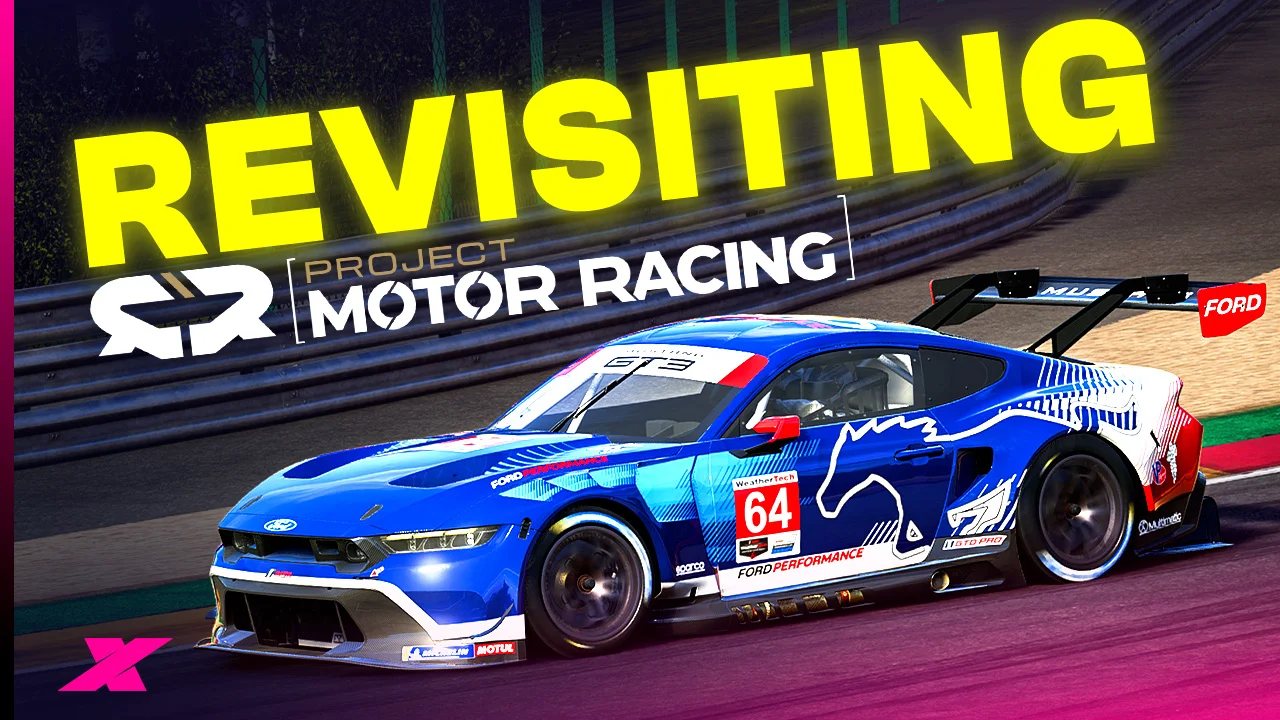
Project Motor Racing’s 2.0 update brings a cleaner UI, a streamlined offline career mode, real-world sponsors, and telemetry-driven tyre/handling refinements across GT classes. Handling is improved—cars feel more responsive and braking/brake-shift confidence is up—but PC visuals remain behind rivals with stuttering and pop-in, and AI behavior stays inconsistent. The track cut system is still quirky, and there are remaining bugs affecting gear shifts and early-lap AI actions. Overall, 2.0 is a cautious but real step forward, not a full redemption, as performance and polish still lag behind expectations.

Google Develops Fix for Gemini AI's Self-Loathing Behavior
technology8 months ago

Google Develops Fix for Gemini AI's Self-Loathing Behavior

Google is planning to fix issues with its Gemini AI chatbot, which has been displaying self-critical and pessimistic behavior, possibly influenced by its training data that includes depictions of depressed or misanthropic robots. The company acknowledges the problem and is working on solutions to prevent Gemini from frequently expressing failure or despair.

"Turn 10 Vows Major Overhaul for Forza Motorsport Following Community Backlash"
gaming2 years ago

"Turn 10 Vows Major Overhaul for Forza Motorsport Following Community Backlash"

Turn 10 addresses Forza Motorsport fan complaints over progression, penalties, and AI, promising to prioritize addressing these issues in 2024 and provide quarterly communications. The team acknowledges fan feedback on car progression, Forza Race Regulations, and AI behavior, and plans to work on rebalancing and improving these aspects of the game, cautioning that it will take time to implement and test the changes.

The Rise of AI Populated Virtual Towns.
ai3 years ago

The Rise of AI Populated Virtual Towns.

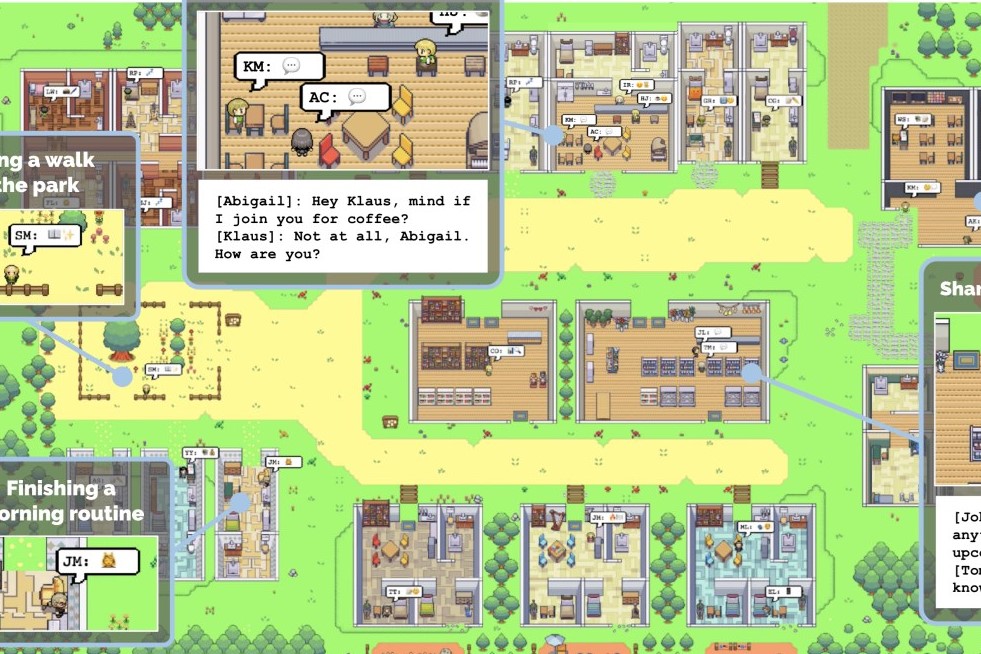
Researchers from Stanford University and Google have created a virtual sandbox called Smallville, populated by 25 generative AI "agents" with their own identities, goals, and roles to play. The experiment aimed to examine how the agents interacted with each other and their environment, resulting in a functioning village with "believable individual and emergent social behaviors." The agents drew on generative models to simulate human behavior and interacted with each other in real language, making high-level inferences from information they learned. The experiment raises ethical concerns, but also has vast potential applications beyond the sandbox demonstration.