
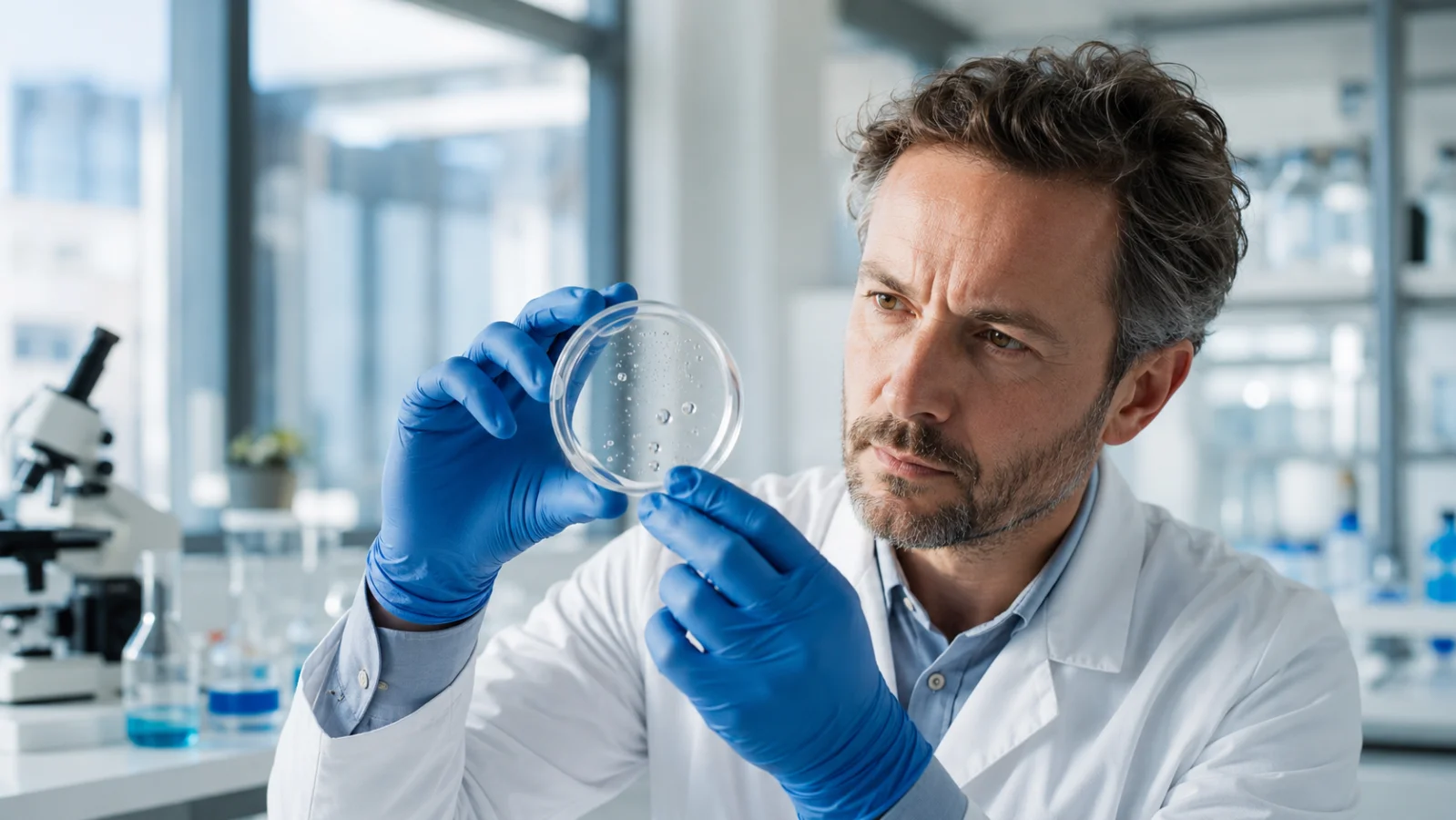
Tiny mutations in ancient mammal peptides dramatically boost antibacterial power
Researchers reconstructed ancestral lactoferricin peptides from mammalian lactoferrin, finding that early versions could damage bacterial membranes and that a few amino-acid changes—such as at position 8—dramatically increased potency against bacteria like Pseudomonas aeruginosa. The work provides evolutionary insight and could guide future antimicrobial design, though these molecules are not ready-made drugs and bacteria can still develop resistance.