Epic Games is rebuilding its anti-cheat software to enable Fortnite on Linux, with no release date set. The new system requires strict security measures, and the Steam Deck is currently unsupported.
Epic Games has launched a preview of its new AI-assisted launcher and announced a major overhaul of its Easy Anti-Cheat (EAC) system for Linux, aiming to eventually bring Fortnite to the platform. The new 'EAC Linux v2' replaces kernel modules with a systemd service and eBPF programs, requiring UEFI Secure Boot. While the launcher is available now on Windows, macOS, and Linux, Fortnite support is contingent on securing approval from major Linux distribution maintainers, with no specific release timeline provided.
Epic Games has released a preview of a new PC game launcher, explicitly described as 'vibe coded' using AI, alongside a major update to its Linux anti-cheat infrastructure. The new client, available on Windows, macOS, and Linux, promises faster performance and cross-platform library integration. Simultaneously, Epic announced 'EAC Linux v2,' a rebuilt anti-cheat system designed to support Fortnite on Linux without requiring kernel drivers, addressing a long-standing barrier for non-Windows gamers.
A German buyer was locked out of Valorant after purchasing a used AMD Ryzen 7 5800X3D CPU that was blacklisted by Riot’s anti-cheat system due to the previous owner’s cheating. The ban, which began on August 12, 2026, is expected to expire in mid-December, but support refused to lift it early. This incident highlights the risks of buying used hardware in the second-hand market, as anti-cheat systems can track specific components via TPM or other identifiers, leaving innocent buyers with no recourse.
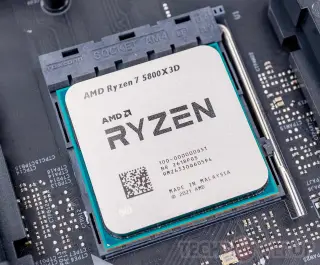
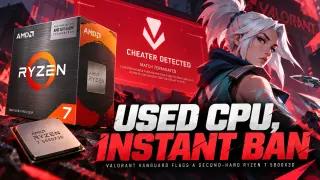
A German player was locked out of Valorant after purchasing a used AMD Ryzen 7 5800X3D CPU that had been blacklisted by Riot's Vanguard anti-cheat system due to the previous owner's cheating. The ban, which began on August 12, 2026, is expected to expire in mid-December, but support refused to lift it early. This incident highlights the risks of buying used hardware in the second-hand market, as anti-cheat systems can track specific components via TPM or other identifiers, leaving innocent buyers with no recourse. Riot's head of anti-cheat, Phillip Koskinas, confirmed that hardware bans last up to four months and apply only to the game where cheating was detected, but there is no way to check for such bans before purchase.
A German buyer of a used AMD Ryzen 7 5800X3D was blocked from playing Valorant because the previous owner had cheated. Riot's Vanguard anti-cheat system blacklisted the CPU, and support refused to lift the ban. The ban is expected to expire in mid-December, but there is no way to check for such bans before purchasing used hardware.
A German player was locked out of Valorant after purchasing a used AMD Ryzen 7 5800X3D from a cheater. Riot’s Vanguard anti-cheat system blacklisted the CPU and other components, preventing the new owner from playing. Support refused to lift the ban, which may last up to four months. This highlights a rare but growing risk in the second-hand PC market, where hardware identifiers can transfer penalties to innocent buyers.
Buying used computer components carries a rare but real risk: anti-cheat systems may flag specific hardware, causing innocent buyers to receive immediate game bans. Recent reports indicate that purchasing a secondhand CPU from a banned player can result in the new owner’s account being blacklisted, with no recourse from support teams.
Embark Studios has adopted a zero-tolerance policy for cheating in ARC Raiders, implementing immediate permanent bans without warnings. The studio is deploying advanced detection tools, including machine learning and hardware restrictions, to combat exploits. Additionally, new matchmaking algorithms have significantly reduced 'queue teaming' incidents.
Ubisoft is giving away the Standard Edition of For Honor for free on Ubisoft Connect until September 28, 2026, as part of its 40th-anniversary celebrations. The game, which features 14 characters and multiple PvP modes, will remain in players' libraries permanently. However, the giveaway excludes Linux and Steam Deck users, a decision that has drawn criticism from the community.
Ubisoft will block Linux and SteamOS users from playing For Honor starting September 10, 2026. The publisher cited the inability to deploy effective anti-cheat protection on the platform as the reason for the ban. This move removes the game from Steam Deck and Steam Machine compatibility, joining a list of other titles that have restricted Linux access.
Activision escalated its anti-cheat campaign by sending a legal representative to the home of notorious cheat creator Elocarry in Ohio to serve a cease-and-desist order, filming the encounter for social media. The publisher highlighted this action alongside statistics from the Modern Warfare 4 beta, claiming lower infection rates and improved ban speeds. Elocarry’s Call of Duty cheats are currently unavailable, though tools for other games remain online. This move precedes the game’s October 23 release and follows a broader crackdown involving over 375 disrupted reseller operations.
Activision’s Modern Warfare 4 beta begins August 21, featuring the franchise’s first single-player campaign mission in a beta and a new modular map called Kill Block. PC players face stricter anti-cheat requirements, while the game launches on October 23 across major platforms, excluding older consoles.
Activision has published a new guide to help PC players enable TPM 2.0 and Secure Boot for the Modern Warfare 4 beta. These security features are now mandatory for all online modes, a stricter requirement than previous titles. The beta, which includes the campaign mission 'Entrenched,' runs from August 21 to September 1, with the full game launching on October 23.
Riot Games’ Vanguard anti-cheat can now run on-demand instead of always being active, launching only when you play a Riot title. The feature, Vanguard Pre-Check, requires Windows 11 25H2 and security features like TPM 2.0, VBS/HVCI, and IOMMU; about 35% of players already meet these requirements, while the remaining 65% would need to enable Secure Boot/TPM and related settings to use on-demand mode.