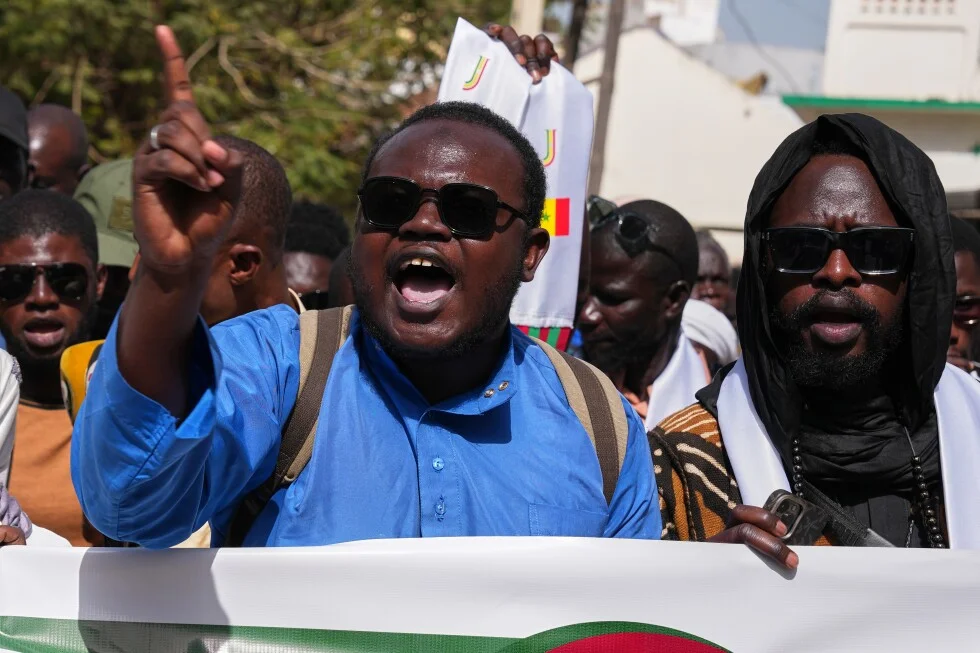
A court in Dakar has issued the first conviction under Senegal's newly enacted anti-homosexuality law, marking a milestone in its enforcement as protests against homosexuality unfold in the capital.
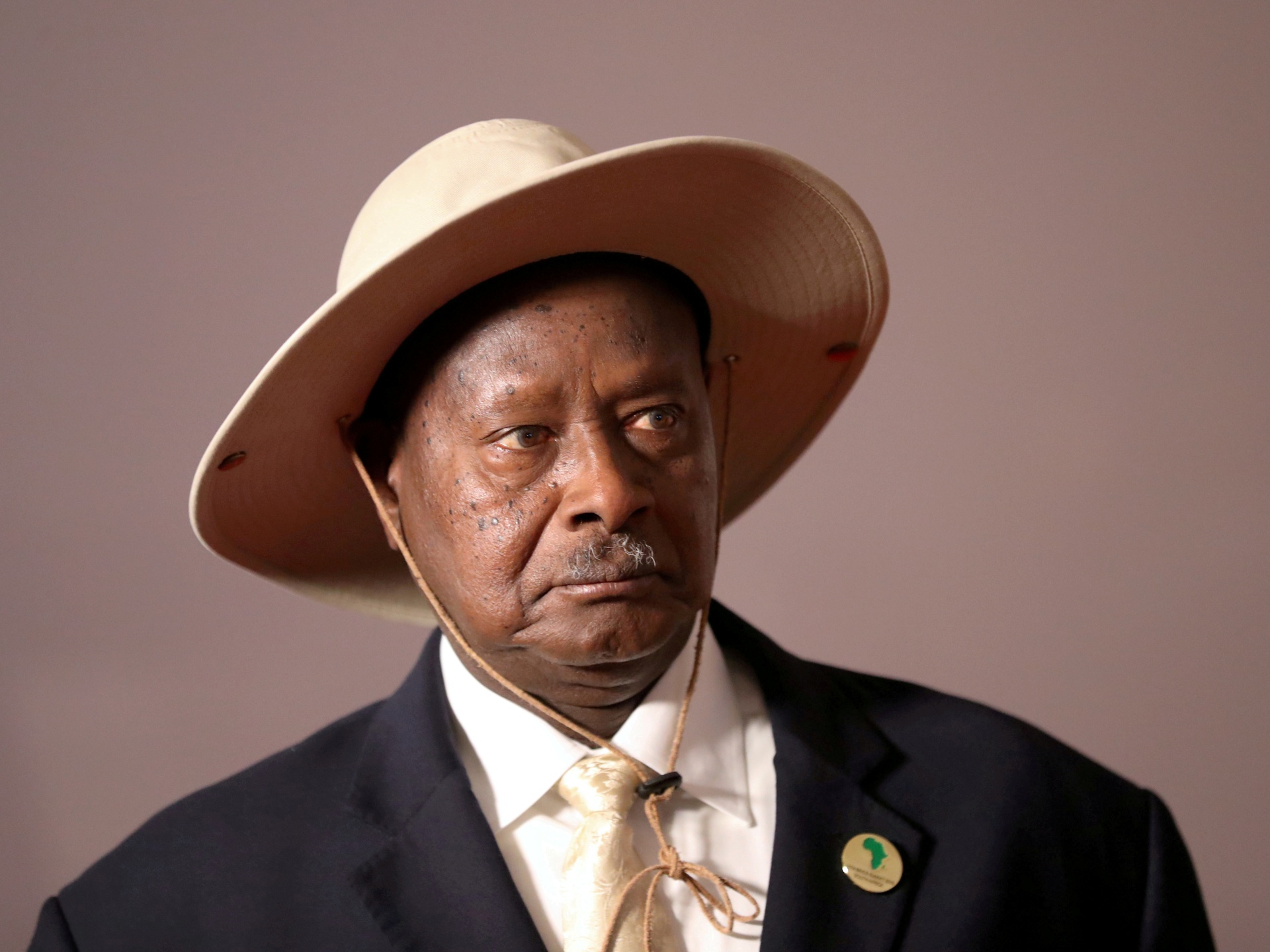
Ugandan President Yoweri Museveni has signed into law one of the world’s strictest anti-homosexuality measures, imposing capital punishment for some behaviour including having gay sex when HIV-positive, and stipulating a 20-year sentence for “promoting” homosexuality. The approval of the law comes in defiance of criticism from Western governments, businesses and human rights activists. US President Joe Biden called for the immediate repeal of the measures he slammed as “a tragic violation of universal human rights”, and threatened to cut aid and investment to the east African country.
Uganda's President Museveni has asked legislators to clarify that it is not criminal to identify as gay in the proposed anti-homosexuality law, which has drawn international condemnation. The law criminalizes a broad range of homosexual activity, including promoting or abetting the lifestyle, and imposes stiff penalties, including death for so-called aggravated homosexuality. Museveni also asked legislators to remove provisions that impose a duty on citizens to report acts of homosexuality. The bill has been referred back to parliament's legal affairs committee for further debate and passage.
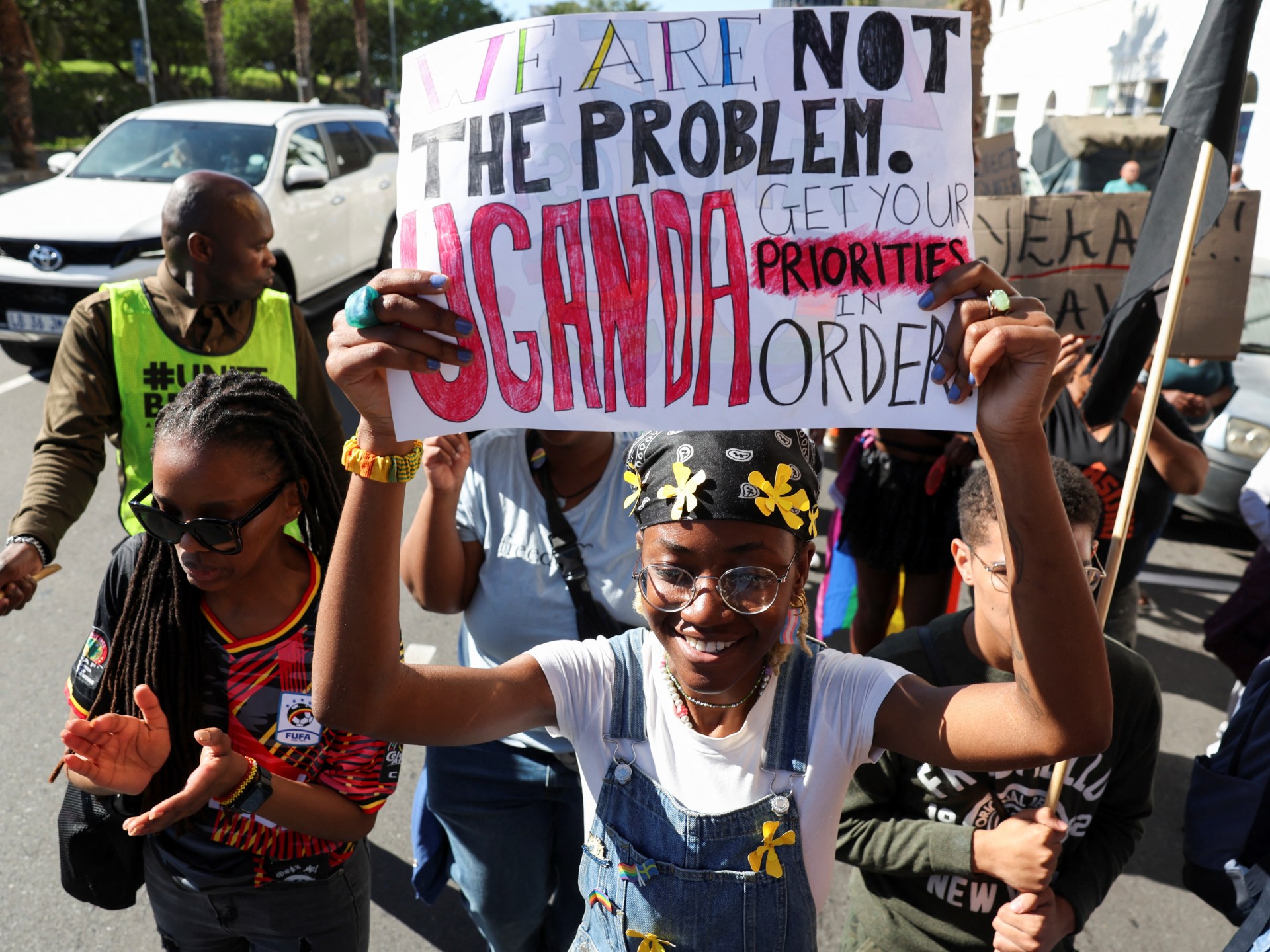
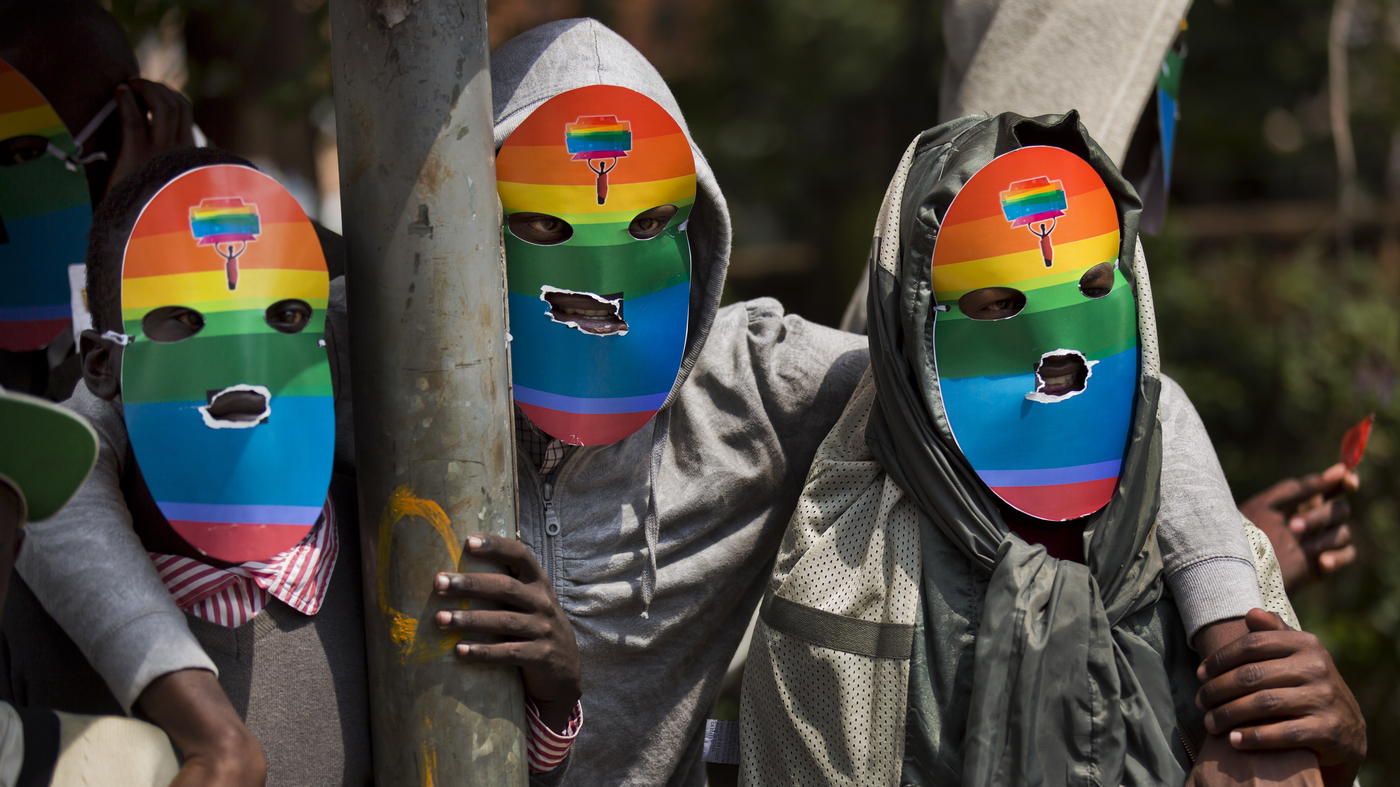
Uganda's parliament has passed a new anti-LGBTQ+ legislation that punishes anyone identifying as gay or queer, and potentially people or rights groups seen as promoting LGBTQ+ identity, and would punish same-sex relations with up to life imprisonment. The legislation has been condemned by the international community, including the United Nations and the United States. Uganda passed a previous anti-homosexuality law in 2014 but the courts struck it down on procedural grounds.