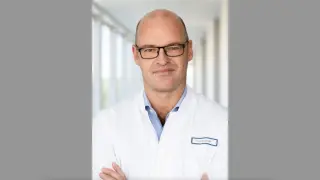
Boulevard Bio, co-founded by renowned autoimmune researcher Georg Schett, signals a shift toward antibody therapies and away from CAR-T, marking Schett’s first co-foundership as he continues to advise several biotech startups.
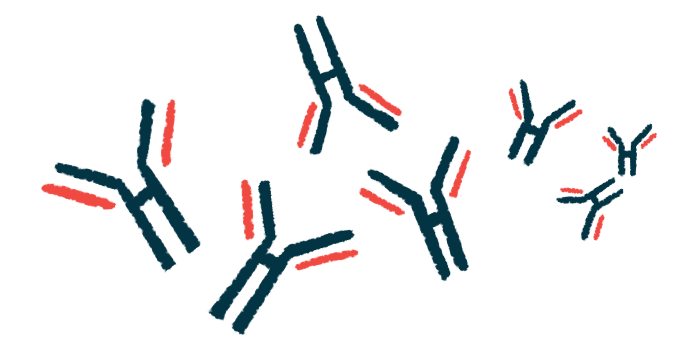
Researchers are intensifying efforts to develop vaccines and antibody therapies to combat the opioid crisis in the United States. With millions of dollars in federal funding, scientists are working on monoclonal antibodies that could target substances like fentanyl, the deadliest street drug in the country. These antibodies would bind to the drug molecules, preventing them from reaching the brain and causing overdose. Clinical trials are also underway for vaccines targeting opioids like oxycodone, heroin, and methamphetamine. However, skeptics argue that existing medications and overdose reversal drugs should be prioritized over expensive antibody treatments, and there are concerns about the cost and feasibility of frequent treatments for drug users.
Ocrevus (ocrelizumab) is the most effective antibody-based therapy for primary progressive multiple sclerosis (PPMS), according to a review study. The medication reduces disability progression, decreases the risk of needing a wheelchair, and improves upper extremity impairment. However, Ocrevus is associated with an increased risk of infection. The other antibody therapies assessed in the study, including rituximab, Tysabri, and Lemtrada, showed conflicting outcomes and were not as effective in treating PPMS. Further research is needed to fully understand the risks and benefits of these treatments for progressive forms of multiple sclerosis.