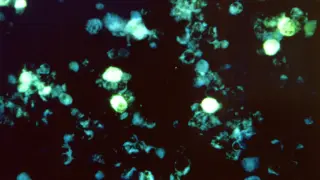
A Keio University–led study shows intestinal epithelial cells in the ileum upregulate MHC II to prime pathogenic Th17 cells, which migrate from the gut to the CNS and drive neuroinflammation in MS; findings in mice and human biopsies suggest the gut as a therapeutic target alongside existing MS treatments.
A study suggests a yak-adapted gene called Restat, which boosts a vitamin A–related molecule (ATDR), may help repair the myelin sheath around nerves. In mice engineered with the mutation and exposed to low-oxygen conditions, researchers saw thicker, healthier myelin and faster repair after damage, offering a potential new avenue for treating multiple sclerosis and possibly other nerve-damage conditions.
A Georgia woman went in for a routine eye exam due to blurry vision, was diagnosed with optic neuritis, and later learned she had multiple sclerosis after an ER visit. She spent a week in the hospital while her vision recovered. The story highlights how routine eye exams can detect more than 200 diseases beyond vision problems.
University of Connecticut researchers report that the anti-aging drug combination dasatinib and quercetin (D+Q) causes significant myelin loss and corpus callosum damage in mice, with younger animals affected more. The oligodendrocytes shift to a less mature, energy-stressed state, suggesting safety concerns for preventive use and offering new clues for understanding multiple sclerosis.
Dr. Jonathan White was diagnosed with relapsing-remitting MS at 31 after blurred vision; after being told meds were the only option, he adopted lifestyle changes inspired by Professor George Jelinek—plant-based diet, vitamin D, regular cardio and strength training, stress management, and strict sleep hygiene. He attributes his good health and ability to continue his NHS work to these changes, though MS is incurable. The story highlights that lifestyle adjustments can improve quality of life, but evidence and NHS guidance vary.
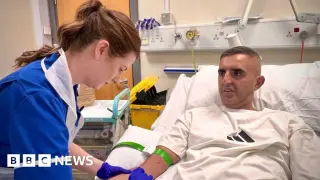
A 26-year-old man from Barry, Wales, was diagnosed with relapsing-remitting multiple sclerosis after vision loss and several falls during a holiday in Ibiza. Diagnosed in March 2022 following an optician, MRI and lumbar puncture, he now manages the condition with biannual ocrelizumab infusions, which have reduced relapses and kept his disease stable, though he still faces eye problems, fatigue and nocturia. He hasn’t had a relapse since 2021 and relies on gym work, walking his dogs and other lifestyle strategies to maintain well-being, while considering privately funded bladder Botox due to NHS waitlists. The experience has impacted his social life and identity, but he remains determined to adapt and stay active.
A study links a Tibetan high-altitude gene mutation (Retsat) found in yaks to improved myelin protection and rapid repair in a mouse model, via elevated ATDR (a vitamin A metabolite) that promotes oligodendrocyte maturation, pointing to potential MS therapies using existing biological pathways.
U.S. researchers are testing CAR-T therapy—reprogramming a patient’s own T cells to attack overactive B cells implicated in MS—to see if it can reach the brain and slow progression. Early, small trials (including four MS patients at the Cleveland Clinic) show uncertain outcomes and potential risks like cytokine release syndrome and neurotoxicity, with experts cautioning that this approach is highly experimental and may not be more effective than existing MS drugs. Still, findings could improve understanding of MS and guide future therapies, even if not curative.
Christina Applegate reveals in her memoir and interviews that subtle warning signs of multiple sclerosis, including toe twitching and balance issues, appeared years before her 2021 diagnosis. A 2021 Zoom brain MRI reportedly showed around 30 lesions; she describes escalating pain, numbness, and mobility challenges that worsened over time, and discusses MS as her constant companion while highlighting her ongoing efforts to cope, including a podcast about the condition with Jamie-Lynn Sigler.
Christina Applegate’s memoir You with the Sad Eyes is a raw, unvarnished chronicle of her life — from an abusive upbringing and domestic-violence trauma to career highs, motherhood, a double mastectomy, and living with multiple sclerosis — written without heavy editing to prioritize honesty over polish.
Christina Applegate discusses her life, career and health in her memoir You With the Sad Eyes, including a revelation that she had an abortion at age 19 during an abusive relationship, alongside details about her MS diagnosis and its impact.
Christina Applegate’s memoir You With the Sad Eyes weaves decades of personal journals into a revealing account of a troubled Laurel Canyon childhood (absent father, chaotic home, sexual abuse by a caregiver) alongside her 2021 MS diagnosis. The book balances stark truth with humor, recounting relationships, fame, and the joy of her daughter Sadie, and previews a new MS-focused platform while she describes the emotional weight of reading the chapters aloud for the audio version.
Actress Christina Applegate reveals in her memoir You with the Sad Eyes that she endured childhood sexual abuse, a difficult marriage and divorce, anorexia during Married… with Children, a 1991 abortion, and a 2021 MS diagnosis. She shares raw journal material and explains that her daughter Sadie is now her “dedication to life” as she navigates the disease and reflects on her life for readers.
In a Zoom interview, Christina Applegate explains how she turned a plan to burn her journals into the memoir You With the Sad Eyes, a candid, funny and profane account of childhood trauma and living with multiple sclerosis.
Christina Applegate is releasing a memoir, You With the Sad Eyes, about living with multiple sclerosis since her 2021 diagnosis, including earlier battles like breast cancer; she stresses the book is raw and honest rather than inspirational, detailing daily routines and life with her daughter as she considers life beyond on-camera work.