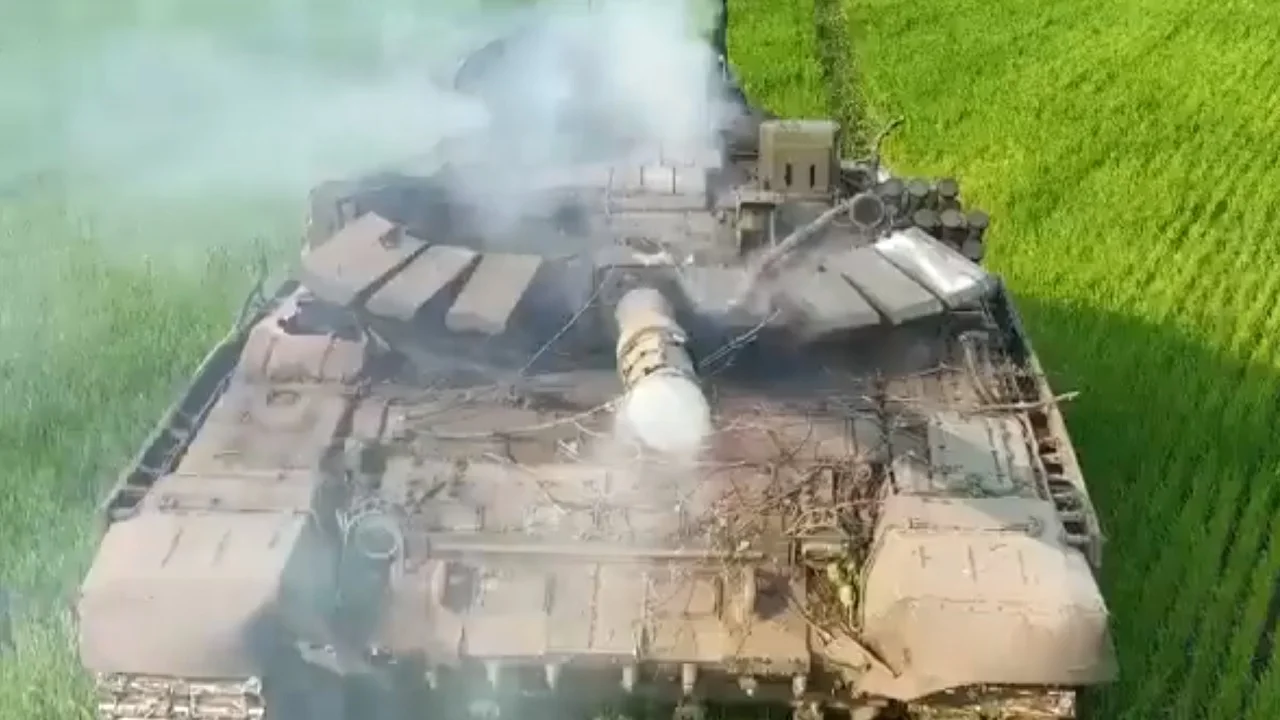
Putin’s NATO Test: Why a Ground Incursion Is the Move Moscow Won’t Risk
A US intelligence assessment described by the Wall Street Journal outlines possible ways Vladimir Putin might test NATO—from cyberattacks to deniable proxies and, at the far end, a limited ground incursion—between this fall and 2029. The report rates a small land incursion as low probability but growing over time; its major drawback is the loss of deniability and a likely robust NATO response, making it the least attractive option for Moscow. NATO deterrence measures, such as regional air defenses, deterrence presence, and credible political signaling, influence Moscow’s calculus by keeping the cost of a response high. Three factors could shift the math: Moscow’s future capability, its motive for a victory, and whether NATO’s response would be certain. For now, Putin is unlikely to risk a costly incursion, and NATO’s ongoing deterrence effort will determine whether the risk remains low in the coming years.