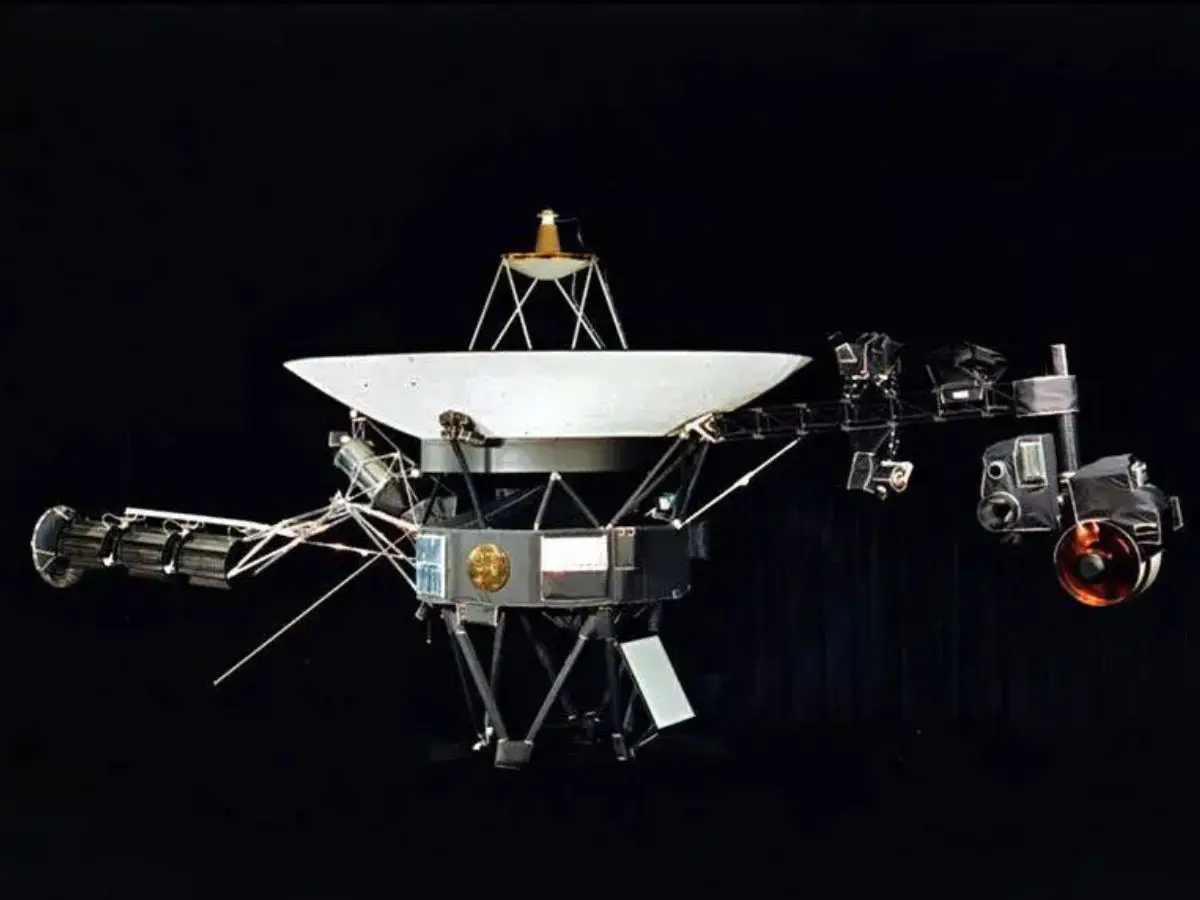
Palm-sized NASA chip could enable autonomous AI for space missions
NASA’s JPL is testing the High Performance Spaceflight Computing (HPSC) chip, palm-sized and claimed to run about 500 times faster than current radiation-hardened flight CPUs in early tests. While not flight-qualified yet, it could enable autonomous onboard AI for tasks like data triage, hazard detection and instrument control, reducing reliance on long Earth-to-space communications (a round-trip to Mars can be roughly 44 minutes). The device is a system-on-chip with eight 64‑bit RISC-V cores and AI acceleration, but a full flight computer still needs memory, power regulation, shielding and flight software; qualification and integration remain the next hurdles before any mission carries HPSC.