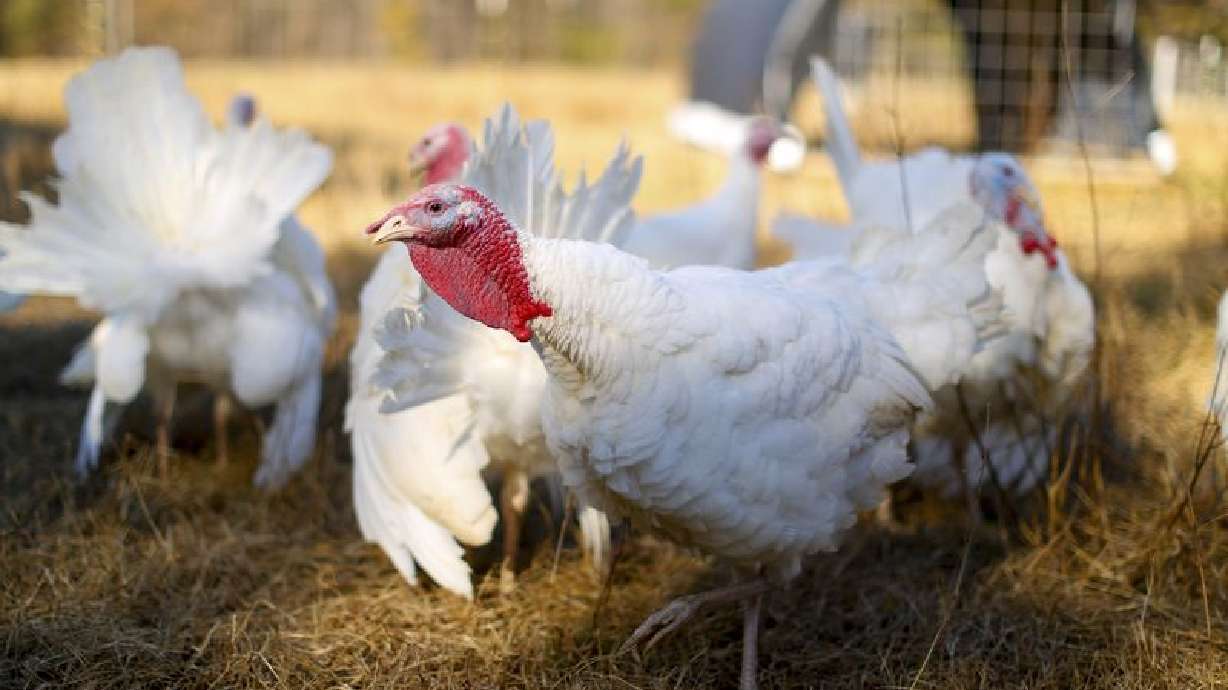
Maine is experiencing an unusually high number of salmonella infections linked to backyard poultry, with 30 cases reported between April and July, including six hospitalizations.
Michigan health officials warn of three multistate Salmonella outbreaks linked to backyard poultry, especially baby chicks and ducklings, with 184 cases across 31 states including 21 in Michigan. The strains involved are Salmonella enteritidis, mbandaka, and saintpaul, and many cases involve children under five. Transmission occurs through handling birds and contaminated environments. Officials urge keeping poultry outdoors, avoiding indoor housing, washing hands after contact, keeping birds away from food areas, and seeking medical care if infection is suspected.
CDC reports 34 people in 13 states have been sickened by the same salmonella strain linked to backyard poultry; 13 are hospitalized and there have been no deaths. Officials urge strict handwashing after handling birds, using dedicated footwear, keeping bird-related items outside the home, supervising children around coops, and avoiding kissing or eating around poultry, as children under 5 and seniors are at higher risk.
A Salmonella outbreak connected to backyard poultry has sickened 34 people across 13 states; infections are linked to contact with home-raised birds like chicks and ducklings, and health officials urge thorough handwashing and safe poultry handling to prevent illness, with most patients recovering with supportive care.
A case of highly pathogenic avian influenza (HPAI) H5N1 was identified in a Dane County backyard poultry flock. The premises were quarantined and the birds depopulated to prevent spread; USDA animal health officials and the Wisconsin DATCP are coordinating the response. Poultry owners are urged to enhance biosecurity and monitor flocks, reporting signs of illness as prompted. The HPAI H5N1 virus continues to circulate in wild and domestic birds across North America since 2021.
The CDC is investigating a salmonella outbreak linked to backyard poultry, affecting 109 people across 29 states, with 33 hospitalizations. The outbreak, which began in late February, is likely underreported. Most infected individuals had contact with backyard poultry, but no common supplier has been identified. The CDC advises thorough handwashing and avoiding close contact with poultry to prevent the spread of germs. Symptoms of salmonella infection include diarrhea, fever, and stomach cramps.
A salmonella outbreak linked to backyard poultry has affected 29 states, including Colorado, with 109 reported illnesses and 33 hospitalizations. The CDC advises proper hygiene and handling practices to prevent infection.
Over 100 people across 29 states have been sickened by salmonella outbreaks linked to backyard poultry, with 33 hospitalized but no deaths reported. The CDC indicates the actual number of cases is likely higher and has not identified a common supplier. Poultry can carry salmonella germs, which can spread easily in areas where they live and roam.
The CDC is investigating a multi-state salmonella outbreak linked to backyard poultry, affecting 109 people across 29 states, including Utah. No deaths have been reported, but 33 people have been hospitalized. The CDC advises thorough handwashing after contact with poultry and recommends stores to sanitize display areas and source poultry from hatcheries that reduce contamination.
The CDC and public health officials are investigating multistate outbreaks of Salmonella infections linked to contact with backyard poultry. In total, 410 illnesses have been reported from 45 states, and 84 people have been hospitalized. Salmonella is a bacterium that can be found in poultry manure which can make people sick. To avoid infection and protect your flock, follow prevention steps such as washing your hands with soap and running water after touching backyard poultry or anything where they live and roam, not kissing or snuggling poultry, and keeping poultry and the supplies you use to care for them outside of your home.