
Beaver Activity in Arctic Amplifies Methane Emissions
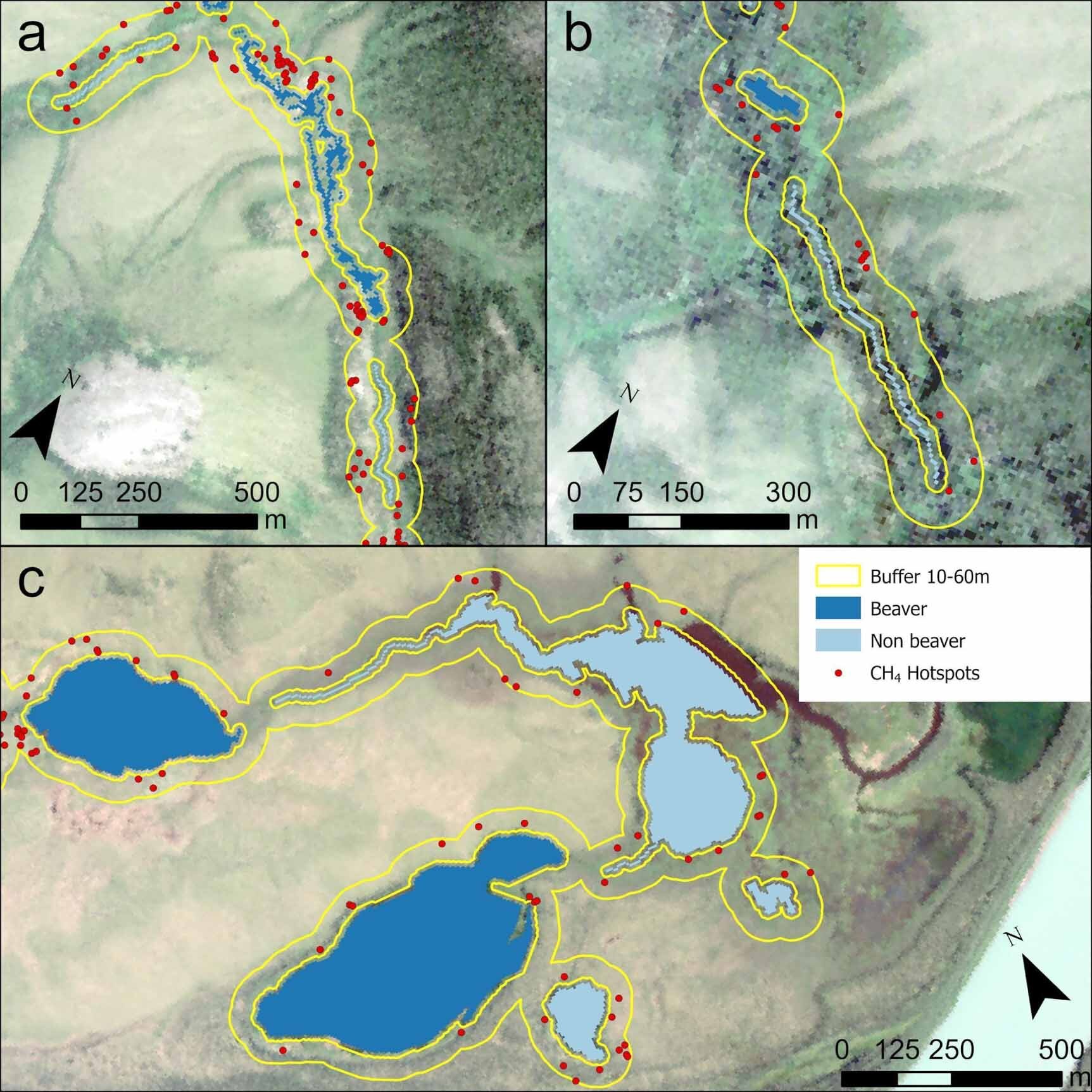
The migration of beavers into the Arctic tundra is causing an increase in methane emissions, a potent greenhouse gas. Beavers create dams that flood vegetation, turning streams into ponds. These beaver ponds and the surrounding vegetation release methane as organic material decays in oxygen-deprived conditions. The study, conducted in the lower Noatak River basin in Northwest Alaska, found a significant number of methane hotspots around beaver ponds. Methane is 25 times more potent than carbon dioxide in trapping heat in the atmosphere and accounts for about 20% of global greenhouse gas emissions. Further research will explore the long-term implications of beaver engineering on methane release in the Arctic.