Trump’s AI-generated image portraying him as Jesus prompted swift condemnation from celebrities and religious commentators, with Jon Stewart and Jack White among critics; Trump deleted the post and offered a dubious doctor-related explanation, fueling ongoing backlash.
Musician Jack White criticized Donald Trump on Instagram after Trump shared an AI-generated image depicting himself as Jesus, asking evangelical Christians how they can support him in light of what White calls blasphemy and Trump’s rhetoric; Whitefurther labeled Trump a deranged grifter and highlighted the pope’s criticisms, underscoring a clash between a musician-critic and the president’s religious-political provocations.
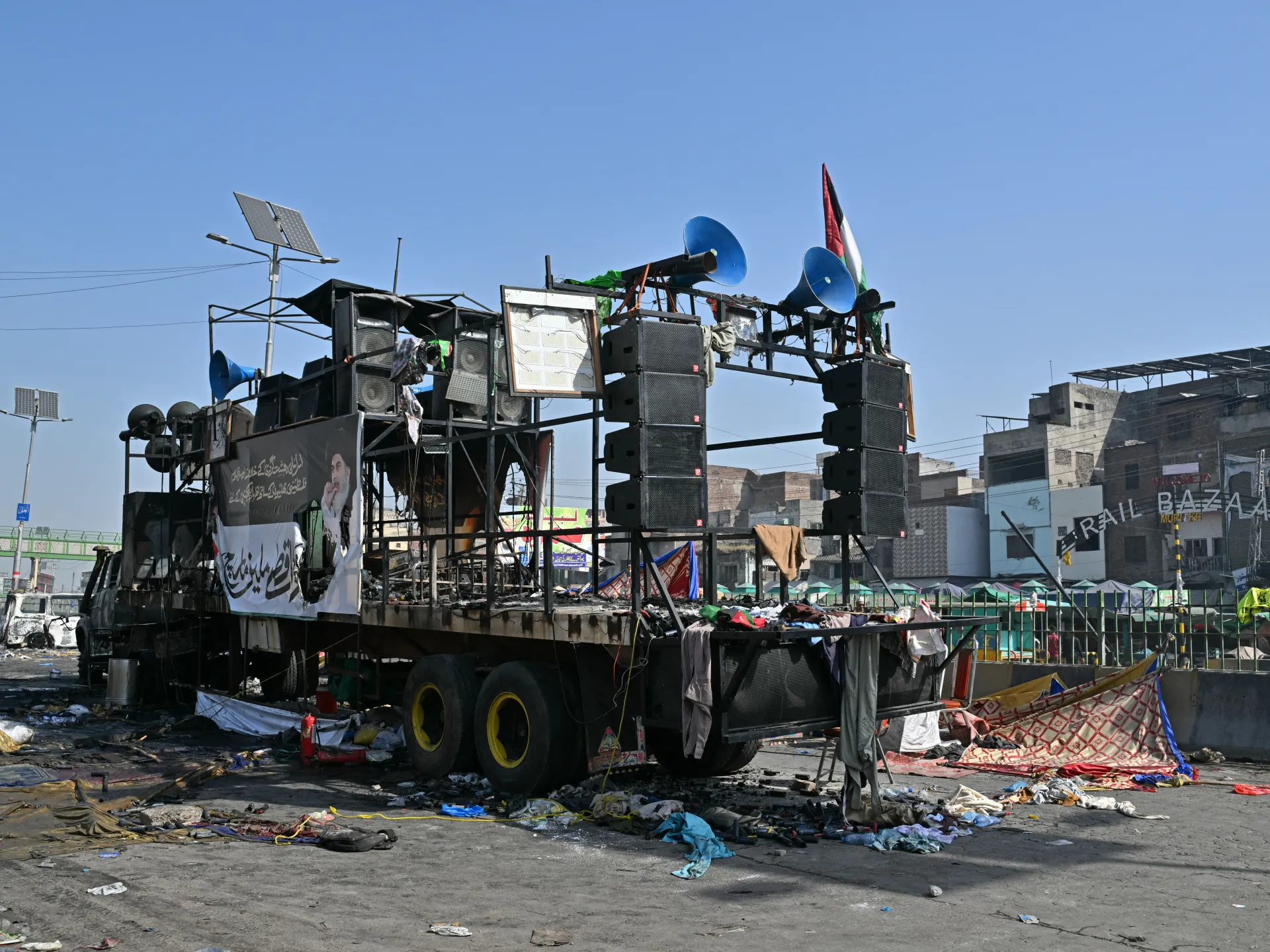
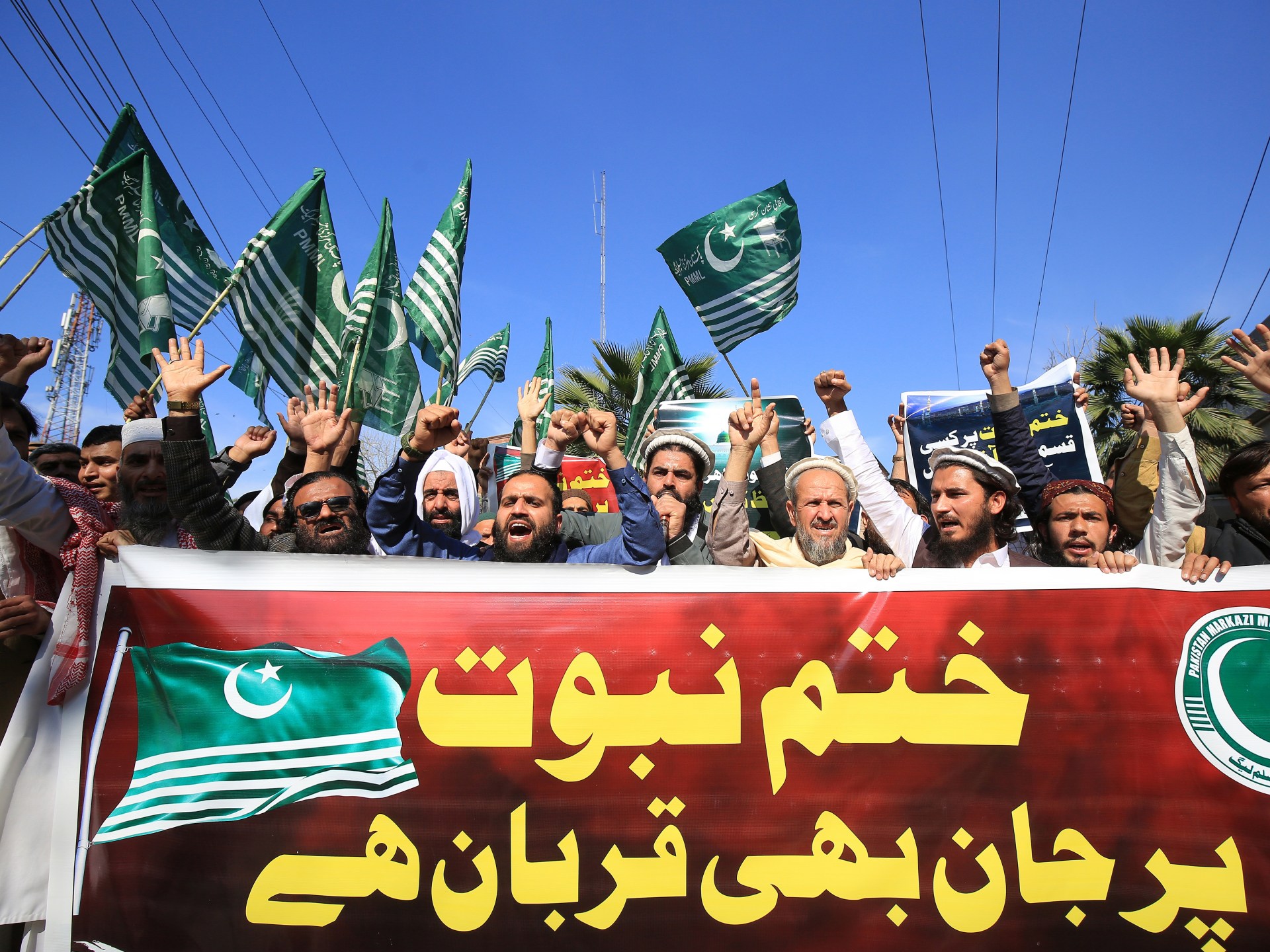
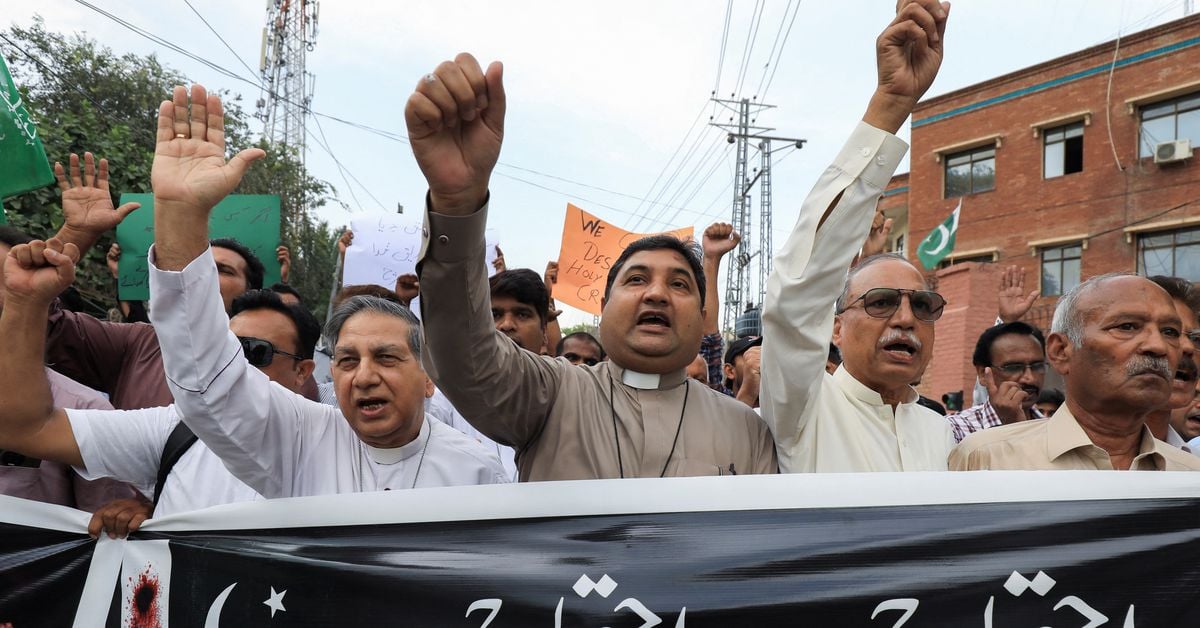
Pakistan's Punjab province is seeking to ban the far-right religious party TLP following violent protests and a crackdown, including detentions and casualties, over their planned march against a US-backed Gaza peace plan. The government aims to proscribe the group for inciting violence and spreading hatred, amid concerns over their history of violent protests and targeting minorities. The TLP's protest was an attempt to rally support on Palestine issues but failed to resonate widely, leading to a significant state crackdown.
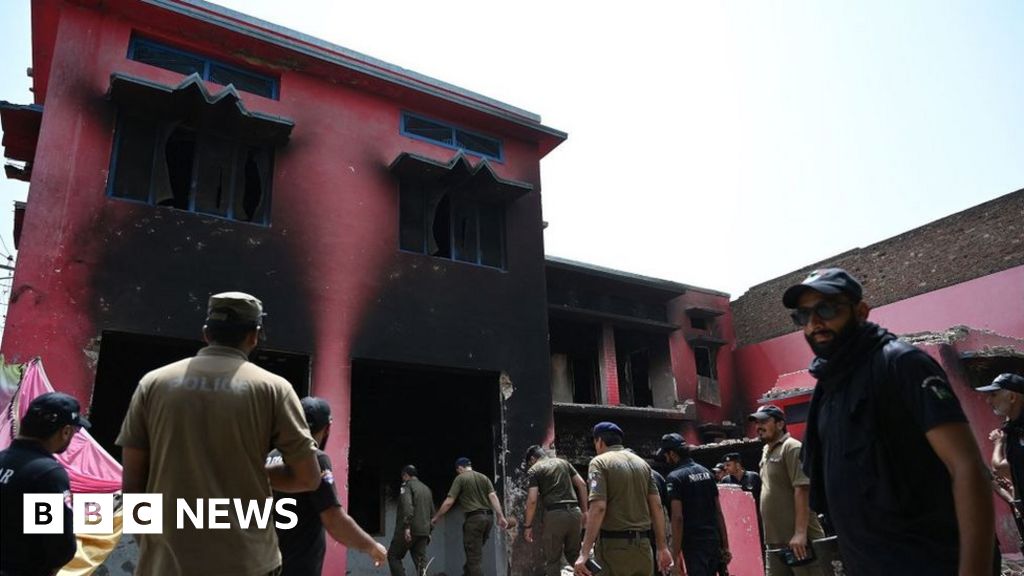
A 36-year-old tourist from Sialkot, Punjab, was killed and his body burned in Swat, Pakistan, after being accused of desecrating the Quran. A large mob attacked the police station where he was held, dragged him out, and tortured him to death. The incident highlights the ongoing issue of blasphemy-related violence in Pakistan, exacerbated by the country's stringent blasphemy laws. The local police and government officials have condemned the act and are investigating the incident.
A tourist accused of blasphemy was killed by a mob in Madyan, Pakistan, after being dragged from a police station. The incident, which involved desecration of the Quran, has sparked outrage on social media. Police have opened a case against hundreds involved, and additional security forces have been deployed to the region. This event highlights ongoing issues of religion-fueled violence and the targeting of minorities in Pakistan.
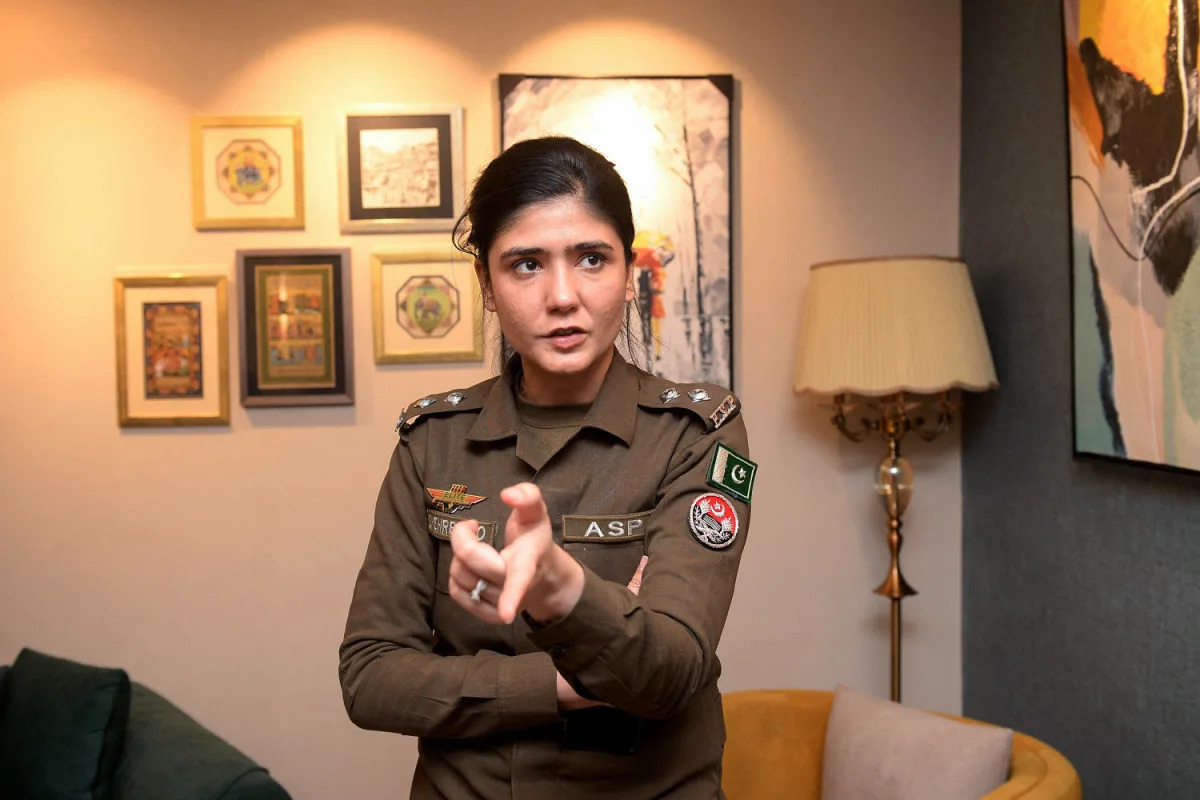
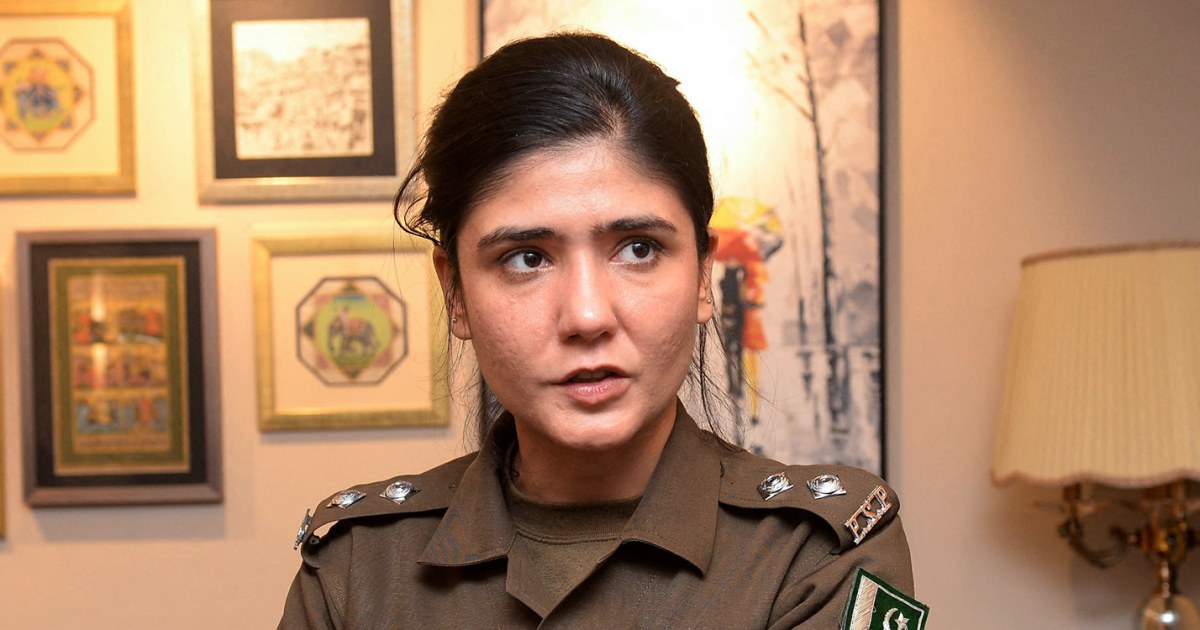
A police officer in Pakistan, Sheher Bano, is being praised for rescuing a woman from a furious mob accusing her of blasphemy over her clothing. Blasphemy is a highly sensitive issue in Pakistan, punishable by death, and accusations have led to violent assaults and mob lynchings. Bano received Pakistan’s highest honor in law enforcement for her bravery. The woman's outfit was mistaken for Quranic verses, but local scholars and clerics later confirmed it did not contain any such verses. Blasphemy is a contentious issue in Pakistan, and there are calls to change the laws that are often used to intimidate religious minorities.
A police officer in Pakistan, Sheher Bano, is being praised for rescuing a woman from an angry mob accusing her of blasphemy over her clothing. Blasphemy is a sensitive issue in Pakistan, punishable by death, and accusations have led to violent assaults and mob lynchings. Bano shielded the woman and moved her to safety, later revealing that the Arabic calligraphy on the woman's outfit did not contain Quranic verses. The woman apologized, stating it was a mistake, and the incident highlights the need to address the misuse of blasphemy laws in the country.
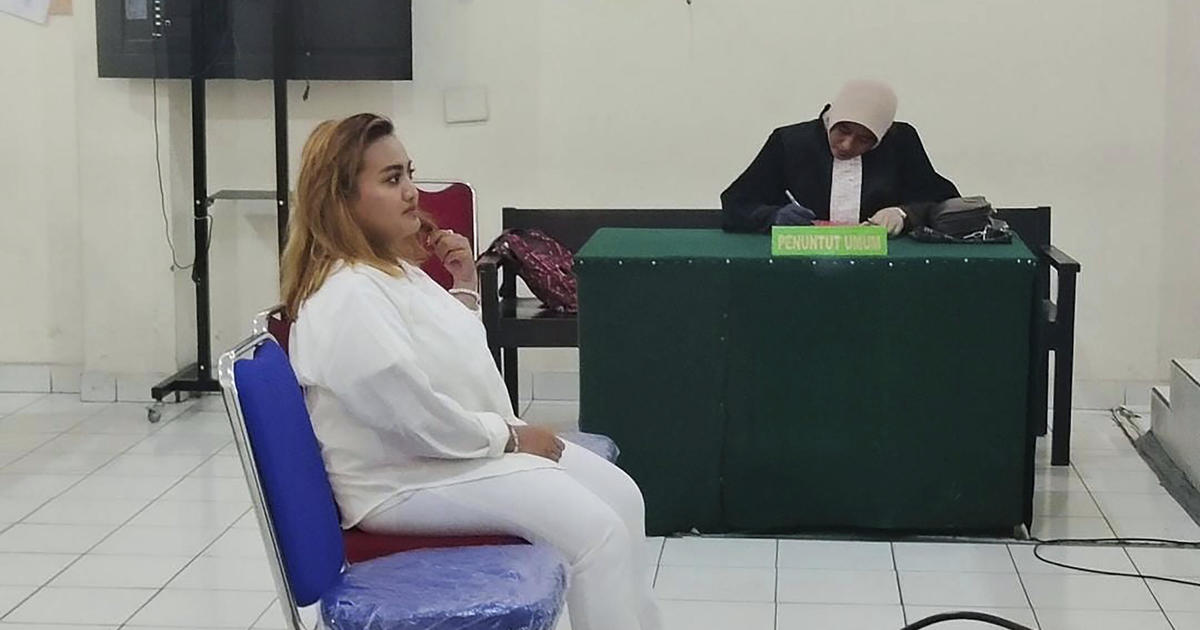
An Indonesian woman, Lina Lutfiawati, has been sentenced to two years in prison and fined 250 million rupiah ($16,262) for inciting religious hatred after she said a Muslim prayer and then ate pork in a TikTok video. Lutfiawati, who identifies as Muslim, expressed regret and apologized after facing blasphemy charges. Indonesia, the world's largest Muslim-majority country, considers consuming pork forbidden in Islam. Critics argue that blasphemy laws in Indonesia have been used to restrict freedom of expression and target religious minorities.
Influencer Lina Lutfiawati, also known as Lina Mukherjee, has been sentenced to two years in prison and fined $25,200 for filming herself eating pork and uttering an Islamic phrase in a viral TikTok video while traveling in Bali, Indonesia. Eating pork is strictly forbidden in Islam, the dominant religion in Indonesia. Mukherjee, who identifies as Muslim, was found guilty of spreading information aimed at inciting hatred against religious individuals and specific groups. Her actions were condemned by conservative groups, and failure to pay the fine could extend her jail term by three months. This case is the latest in a series of blasphemy cases in Indonesia.
Lina Lutfiawati, an Indonesian woman, has been sentenced to two years in jail and fined for blasphemy after posting a TikTok video in which she recited a Muslim prayer before eating crispy pork, which is considered haram in Islam. The court found her guilty of spreading information intended to incite hate based on religion. This case is part of a series of blasphemy cases in Indonesia that have raised concerns about religious intolerance and the abuse of blasphemy laws to target minority groups and dissenters.
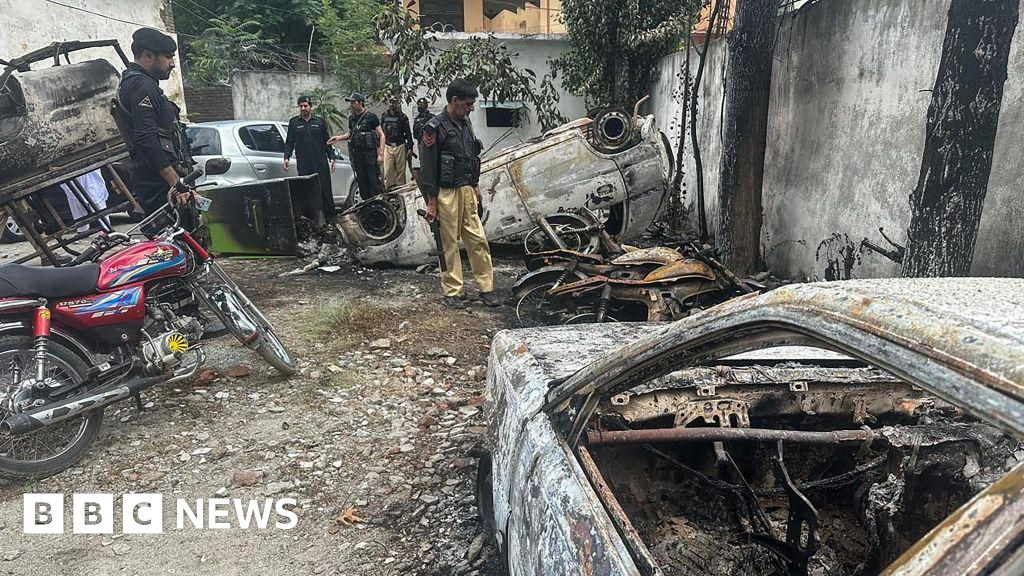
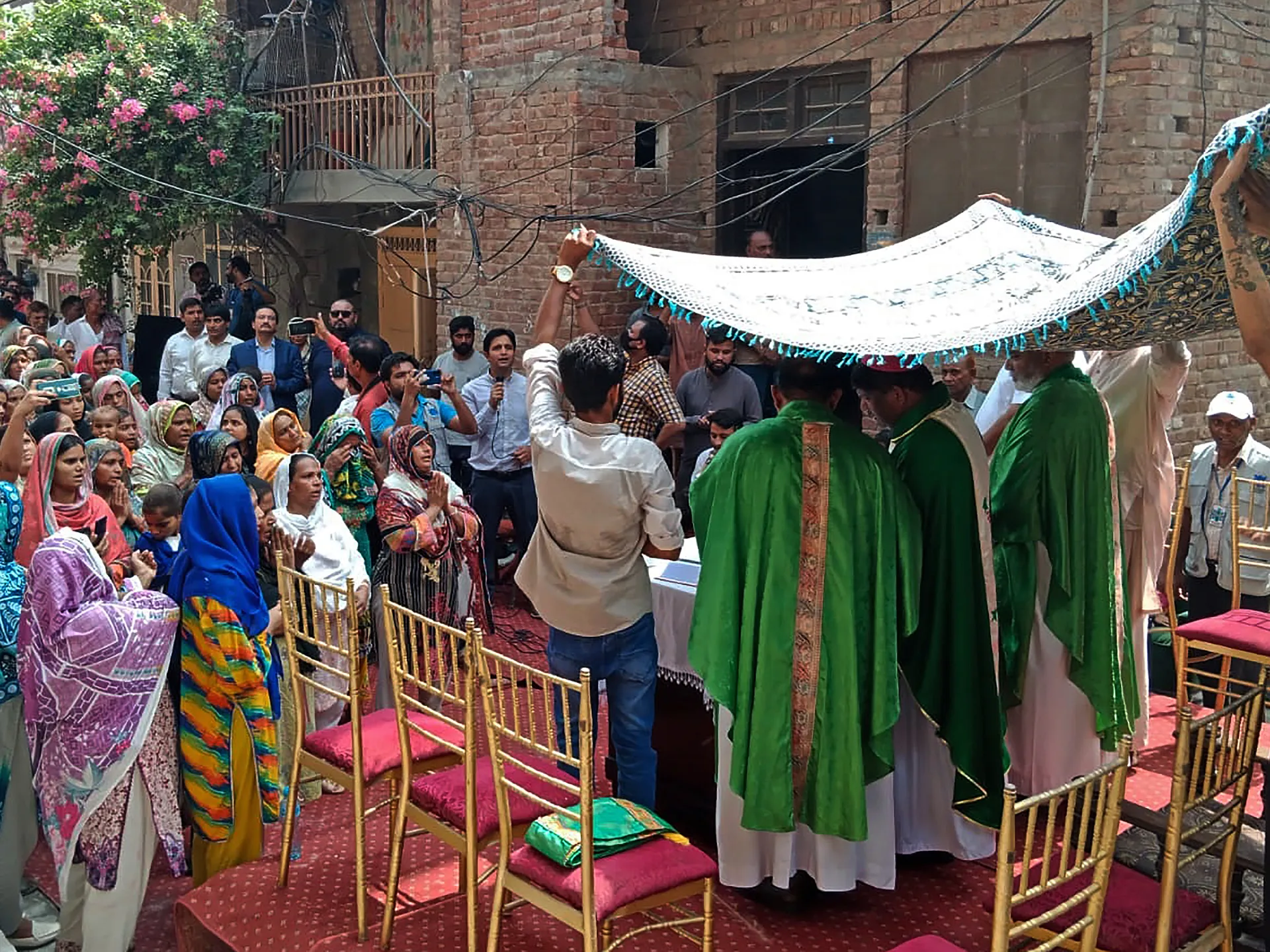
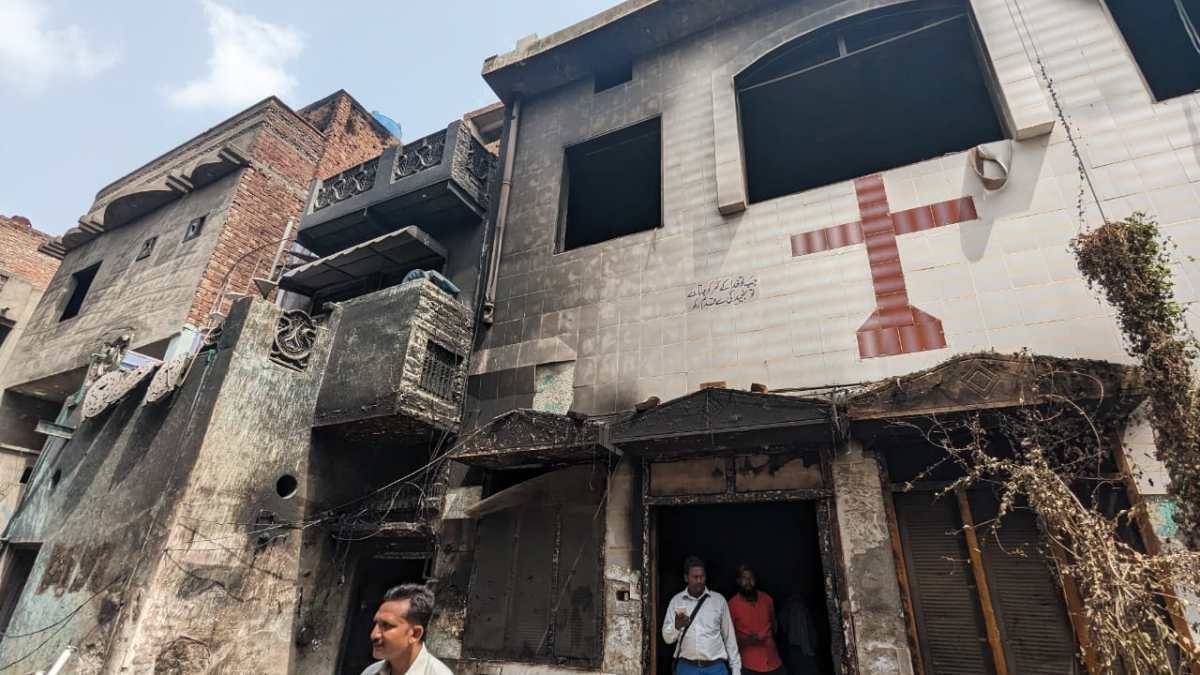
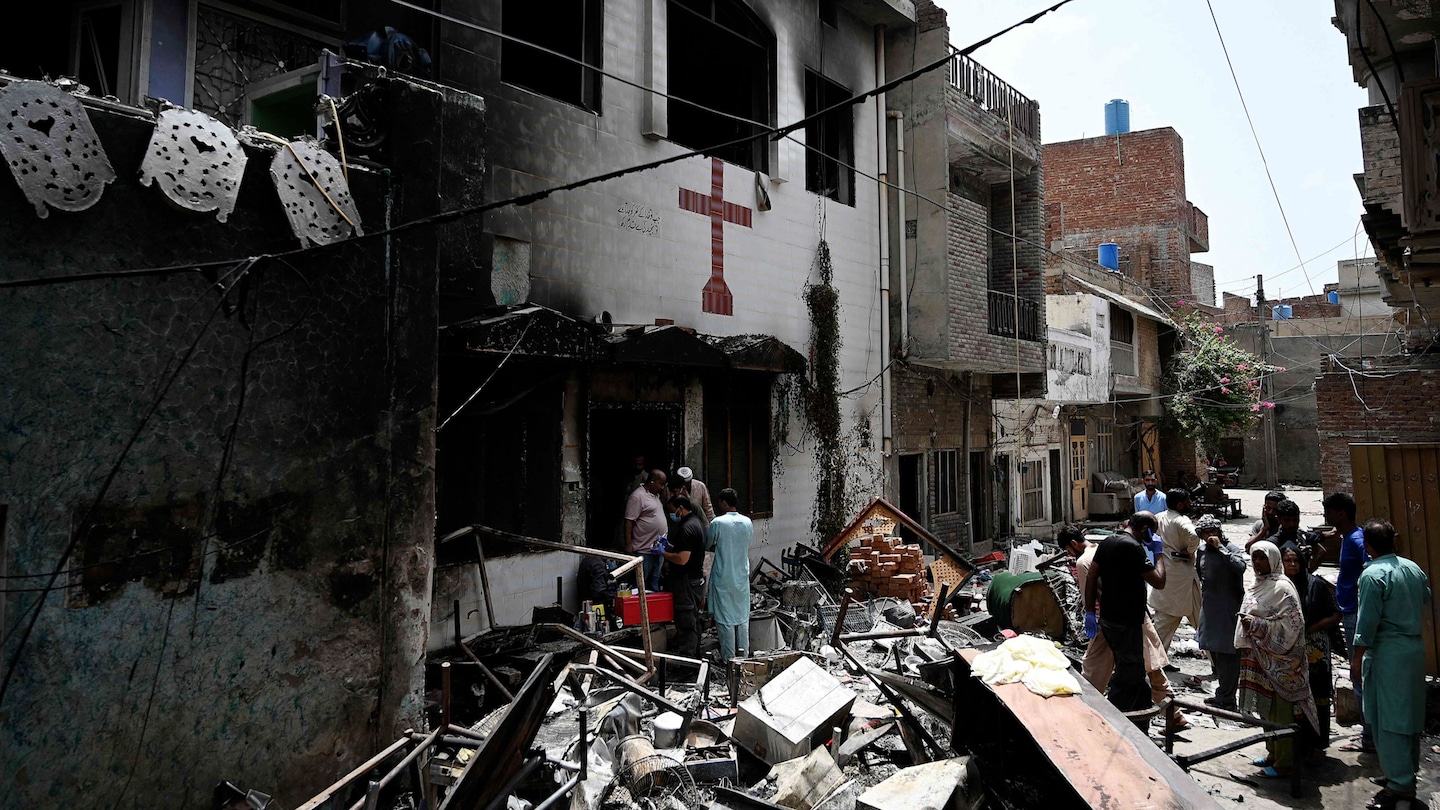
Pakistani Christians held Sunday services at churches that were vandalized by a vigilante mob after two Christian brothers were accused of desecrating the Quran. Over 80 Christian homes and churches were destroyed in the riot. The affected families are seeking compensation, and paramilitary troops are guarding the sites. The police have arrested the accused men and rounded up nearly 160 people involved in the attack. Blasphemy is punishable by death in Pakistan, and previous attempts to reform the blasphemy law have resulted in violence, including the assassination of a former governor and a minister for minorities.
Two Christian brothers have been arrested in Pakistan on charges of blasphemy after a Muslim mob burned churches and houses, accusing the brothers of desecrating the Quran. Pages of the Quran with derogatory comments were found in the street, with the suspects' identities attached. Blasphemy is punishable by death in Pakistan, and accusations are sometimes used to settle scores. The violence lasted for 10 hours, with thousands of Muslims carrying weapons. The police have arrested 128 people involved in the mob attack, and caretaker Prime Minister Anwar ul Haq Kakar has promised to protect minorities.
Two Christians have been arrested in Pakistan on blasphemy charges after pages of the Quran with derogatory comments were found in a street. This led to a violent mob attacking Christian homes and churches. Blasphemy is punishable by death in Pakistan, and accusations are sometimes used to settle scores. The police have arrested 146 people involved in the attack, and paramilitary troops are guarding the community. The displaced families are starting to return to their homes.
Pakistani police have arrested around 130 people following attacks on at least five churches and numerous homes in response to rumors of Quran desecration by Christians. While no injuries or deaths were reported, the incidents highlight the ongoing issue of sectarian violence in Pakistan, particularly against religious minorities. The slow response of the police has raised concerns about the protection of religious minorities, but the large number of arrests suggests a more vigorous response than in the past. The State Department expressed deep concern, and the caretaker prime minister vowed stern action. Blasphemy charges are often used to settle personal scores in Pakistan, and critics argue that due process is often lacking, leading to mob violence and lynchings.
More than 100 people have been arrested in Jaranwala, Pakistan, after thousands of Muslims burned churches and vandalized homes following claims that two Christian men had torn pages from the Quran. The two men have been charged with blasphemy, which is punishable by death in Pakistan. Blasphemy accusations in the country often lead to widespread violence, lynchings, and killings. Pakistan inherited the blasphemy law from the British in the 19th century, and since then, religion-fueled violence has increased, particularly against minority religious groups. The situation remains tense, with public gatherings restricted for seven days in the Faisalabad district.