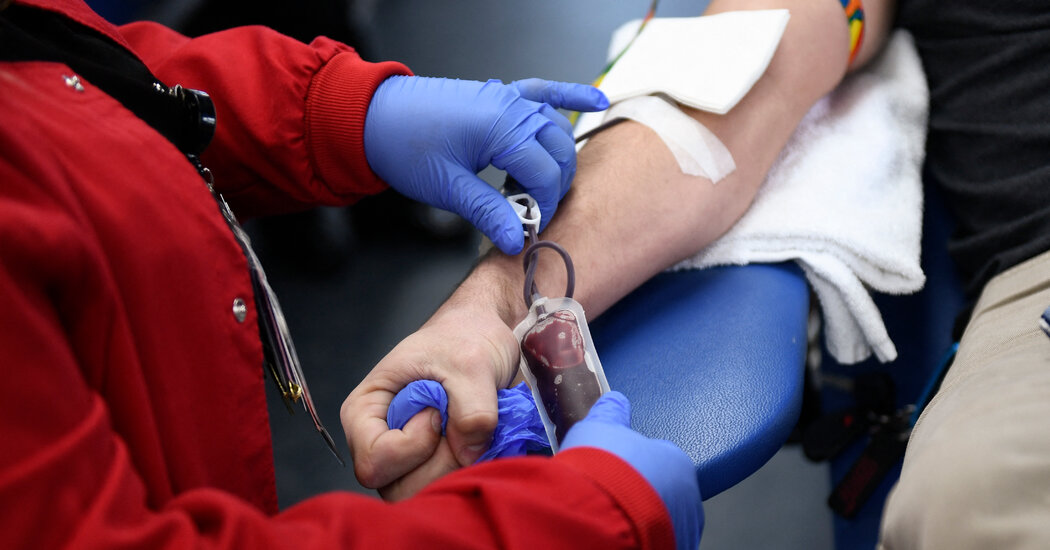
After their almost seven-year-old son Lincoln Rodgers battled brain cancer, a Cleveland family is urging blood donations to support pediatric cancer awareness and blood-drive advocacy.
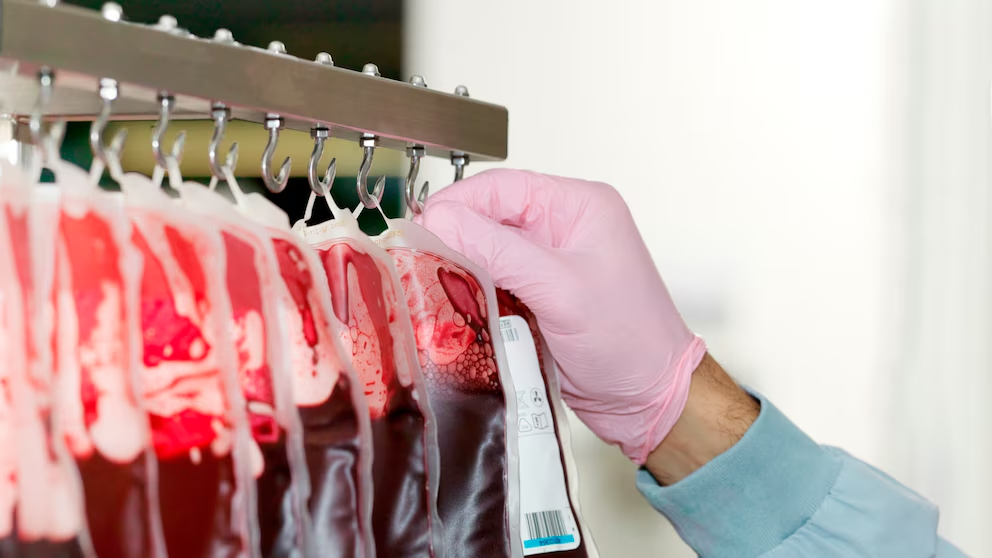
The American Red Cross has declared an emergency blood shortage, with the lowest number of blood donors in 20 years, leading to limited distributions of crucial blood types to hospitals. Factors contributing to the shortage include the COVID-19 pandemic, reduced blood drives due to remote work and learning, and deferrals of potential donors. The organization is urging Americans to donate blood to address the critical shortfall and ensure that hospitals have an adequate blood supply for patients in need.
The American Red Cross has declared a national blood shortage, attributing it to a summer slump in donations exacerbated by climate disasters and a busy travel season. The organization's blood supply has dropped nearly 25% since early August, resulting in a shortfall of about 30,000 blood and platelet donations. The demand from hospitals is outpacing the number of blood donations coming in, and other blood centers are also experiencing a decrease in donations. The Red Cross is urging people to donate blood, particularly type O blood and platelets, as the current conditions could lead to a critical situation if a major traumatic event occurs.
The FDA has ended its ban on blood donations from gay and bisexual men, replacing it with a questionnaire for all donors aimed at learning about their recent sexual activity. The revised policy would also preclude blood donations from people taking oral PrEP to prevent HIV infection. The FDA took its cues from Canada and the United Kingdom, which adopted similar approaches. The update allows blood donation companies to use a more evidence-based way to reduce the risk of HIV transmission while also maximizing donations.