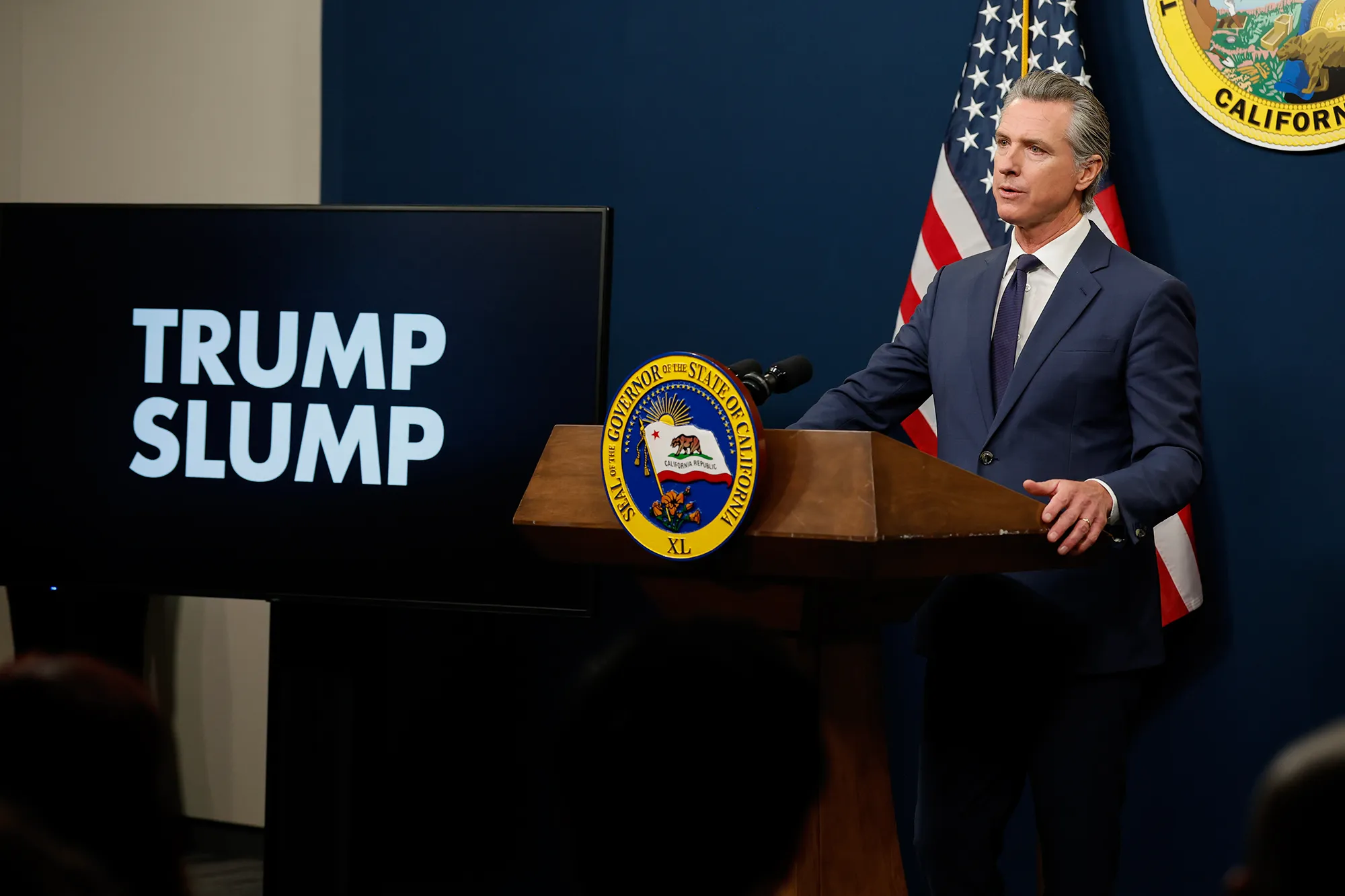
A coalition led by the Motion Picture Association warns Gov. Newsom that proposed caps on California film tax credits (a $5 million annual limit for three years and a permanent 70% liability cap starting in 2030) would chill production and cost tens of thousands of middle-class jobs, pushing for an exemption to keep credits fully usable; state officials argue the cap is a budget compromise with some credits still redeemable or transferable.
California lawmakers plan a $356 billion budget that largely avoids Gov. Newsom’s social‑service cuts by delaying or softening them, expands TK‑12 and child‑care funding, increases county and homelessness support, and pursues new revenue ideas while aiming for a larger rainy‑day fund ahead of a June 25 ballot deadline.
California Senate Democrats are using the state budget to block Gov. Newsom’s carbon-market overhaul that would award free pollution permits to refineries and big polluters, arguing it undermines last year’s three-way climate deal. They want funds redirected to housing, transit, clean air and water programs and threaten to stall Newsom’s priorities like EV incentives and high‑speed rail unless the deal is funded. The Legislative Analyst’s Office warns the changes could cut climate-revenue from about $4 billion to $2 billion, jeopardizing emissions targets, as negotiations continue with a June 30 deadline and room for summer bargaining.
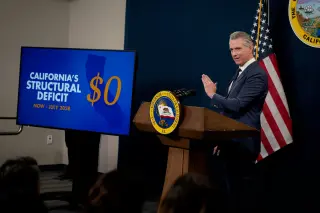
Governor Newsom’s revised 2026-27 budget eliminates California’s projected deficit through July 2028, maintains nearly $30 billion in reserves, and funds extensive investments in child care, schools, higher education, healthcare affordability, housing, and disaster recovery, while pursuing fiscal restraint and depositing $9.7 billion into the Surplus Holding Account to guard against future volatility.
California Gov. Gavin Newsom unveiled a revised 2026-27 budget that aims to balance the books for 18 months after he leaves, pairing continued reserves withdrawals with new cuts and a larger rainy-day fund to blunt a potentially long-term deficit. Fueled by a surge in tax revenue from California’s AI-driven tech sector, the plan projects a near $350 billion spending blueprint that still expects a deficit in 2028-29 and 2029-30, and it slashes general-fund spending by about $1.8 billion, mainly through Medi-Cal cuts and higher premiums for about 1.3 million undocumented immigrants while reinstating asset tests. Newsom would transfer money into the rainy-day fund and set aside billions for future years, while also funding targeted items like paid pregnancy leave for TK-12 and community college staff and literacy and math supports. The plan clashes with Democratic lawmakers over education funding levels, homelessness money, and corporate tax credits, and would impose new matching requirements on localities receiving homelessness funds. Negotiations continue, with a June 30 deadline for a final deal.
Gavin Newsom unveils a slimmer general fund budget aimed at keeping California deficit-free through 2028, pairing lower outlays with targeted tax changes to shore up long-term liabilities while balancing labor and business needs ahead of a potential 2028 presidential bid.
California Governor Gavin Newsom is facing corruption scrutiny after the state earmarked about $20 million for a diaper program run with Baby2Baby. Critics flag the nonprofit ties—executives connected to Newsom’s wife’s California Partners Project and Baby2Baby board member Norah Weinstein—as a potential conflict of interest, arguing the deal benefits friends rather than taxpayers. Supporters say the program helps provide free diapers to newborns statewide. California officials defend the initiative as a scale-up funded via the state budget, with roughly $7.4 million approved and $12.5 million proposed for 2026–27.
Budget analysts warn California's AI-driven revenue gains could slow this year, while a looming wealth tax may push billionaires to leave, threatening revenue and complicating Gov. Newsom's final-year budget.
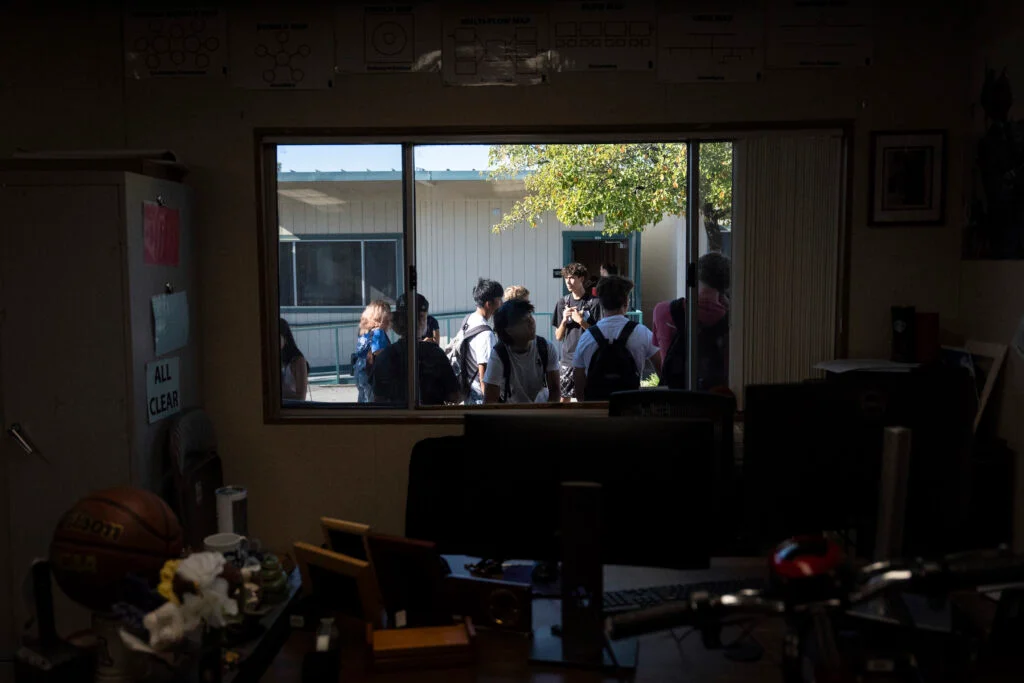
California's 2026-27 budget, Newsom's final as governor, includes a surprise $22 billion boost for TK-12 and community colleges, lifting Prop 98 per-student funding to a record $20,427 and funding one-time and ongoing programs—such as sustaining community schools, teacher residencies, reading screenings, and expanded college and career pathways—while awaiting May revisions and legislative negotiations amid potential federal cuts.
California faces a $2.9 billion budget shortfall in 2023, the fourth consecutive year of multibillion-dollar deficits, despite increased revenues; the state plans to prioritize education investments, rebuild reserves, and address federal funding losses, while lawmakers debate spending and cuts amid ongoing fiscal challenges.
California faces an $18 billion deficit as Gov. Gavin Newsom prepares to release his final budget plan, with options limited to raising taxes or cutting spending, both politically challenging. The state's financial situation is worsened by federal funding cuts and increased spending, particularly on health care programs like Medi-Cal. Political considerations and the upcoming gubernatorial transition influence decisions, with little appetite for tax hikes on high earners or significant spending cuts, raising concerns about long-term fiscal stability and the governor's legacy.
California's budget outlook has worsened from a surplus to an $18 billion deficit due to unforeseen costs like wildfires, Medi-Cal expenses, and federal policy impacts, with projections indicating ongoing deficits and potential structural issues requiring revenue increases or cuts.
California Governor Gavin Newsom signed a budget to close a $12 billion deficit, which includes cuts to immigrant healthcare access, such as stopping new enrollments for undocumented adults in Medi-Cal from 2026 and introducing premiums in 2027, while also maintaining funding for other safety net programs and environmental initiatives. The budget faces criticism from Republicans and some Democrats for its impact on vulnerable populations and future fiscal stability, amid ongoing federal and economic uncertainties.
The California budget deal for 2025-26 masks a significant structural deficit caused by years of overspending and accounting tricks, with officials blaming external factors like federal tariffs, while actually relying on payment deferrals, loans, and reserves to cover ongoing fiscal shortfalls, raising concerns about long-term fiscal health and transparency.
California Governor Gavin Newsom proposes reinstating an 'asset test' for low-income and disabled Medi-Cal applicants, which could lead to eligibility restrictions and cost savings, but faces criticism from disability advocates who warn it could harm vulnerable populations and increase long-term costs. The proposal aims to address rising healthcare expenses by reintroducing asset limits, including home and vehicle values, starting in 2026.