
Copper Age Spain: Child skeletons reveal widespread respiratory disease
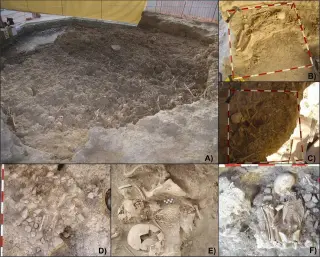
Archaeologists analyzing 48 non-adult skeletons from Camino del Molino, a Copper Age burial site in southeastern Iberia dating to the 3rd millennium BCE, found that most children show health-related skeletal changes, with porous lesions and markers of respiratory infections. About 92% had some health alteration, nearly 90% had porous bones, and around 69% showed signs of respiratory disease, with many individuals showing both. Higher vulnerability occurred in ages 1–4 and 10–14, and no meaningful sex differences were observed, implying shared environmental risks such as indoor smoke and dust. The findings suggest chronic respiratory illness was a common childhood burden that likely affected survival, and future work will use ancient DNA to identify pathogens and explore diet and family relations to explain susceptibility.