Social anxiety affects up to 12% of people, often worsening during university due to isolation and self-focus. Experts advise breaking cycles of self-monitoring and safety behaviors through cognitive behavioral therapy and gradual exposure.
Chronic stress triggers the body’s fight‑or‑flight response with adrenaline and cortisol, boosting energy in the moment but diverting resources from digestion, repair and immunity when it’s constant. This can raise infection risk, obesity, depression and may influence neurodegenerative processes; individual tolerance varies with life experience and resilience. For acute stress, slow, regulated breathing and regular exercise can dampen the response, while chronic stress may require therapies like CBT or mindfulness plus lifestyle changes and social support. If stress is persistent, seek help and reduce unnecessary stressors (e.g., social media, unsolvable conflicts).
A life-span feature shows anxiety as a common, normal response to uncertainty that spans childhood to older age, offering stage-specific strategies: validate and normalize feelings in kids, model openness for teens, foster healthy habits and social connection in young adulthood, prioritize friendship and self-care in midlife, and use CBT, sleep hygiene and gradual exposure in older age, with guidance on when to seek help.
A BMJ review on Long Covid therapies claims moderate certainty that CBT and rehabilitation improve symptoms, but the review's findings are based on biased studies. The risk-of-bias assessments, crucial for interpreting the results, are hidden in online supplements, revealing that most studies have high bias levels, making their conclusions unreliable. The review's conclusions are misleading, as unbiased evidence supporting the effectiveness of these interventions is lacking.
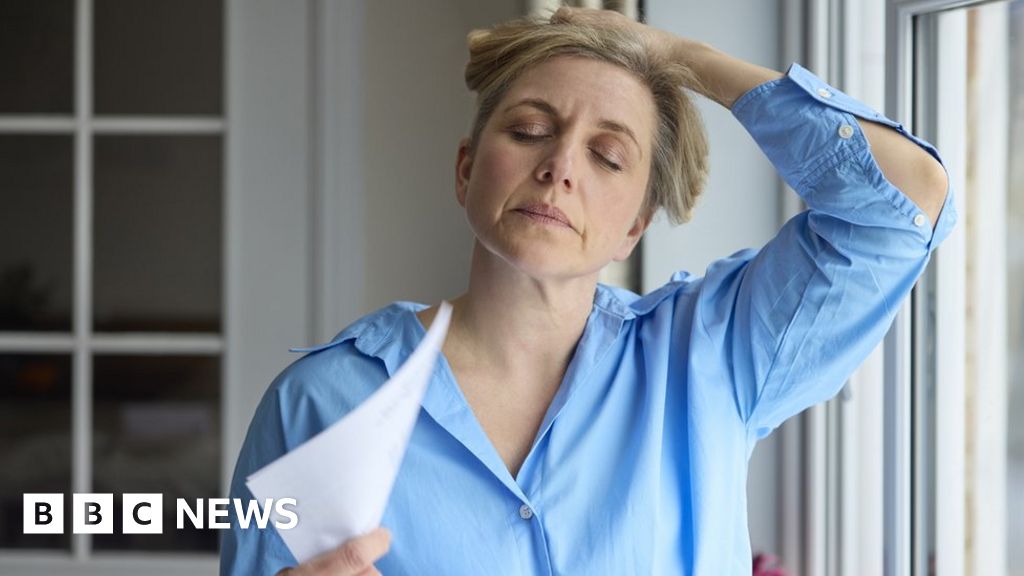
A study from University College London suggests that mindfulness, group, and cognitive behavioural therapy (CBT) could effectively treat menopause symptoms such as low mood and anxiety. The research, which examined 30 studies involving 3,500 women in 14 countries, found that these talking therapies could offer more options for treating menopause symptoms, potentially providing benefits beyond those of hormone replacement therapy (HRT). The study showed statistically significant improvements in anxiety and depression following CBT and mindfulness therapies, and also indicated improvements in sleep, memory, concentration, and overall quality of life.