Scientists scanned a skin-preserved 289-million-year-old Captorhinus aguti fossil from Oklahoma with neutron CT, revealing the oldest known rib-based breathing system in amniotes and offering key insight into how early land-dwelling vertebrates evolved more efficient respiration.
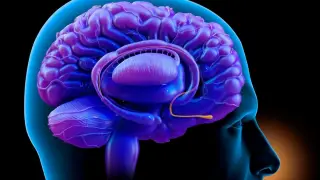
Researchers have identified a brainstem area called the lateral parafacial region that links breathing to nerves that constrict blood vessels, driving high blood pressure when activated. Inhibiting this region normalizes blood pressure, and signals triggering it originate in part from neck carotid bodies, suggesting a treatment approach that targets these sensors rather than the brain itself. The findings, published in Circulation Research, could lead to new therapies for hypertension and possibly sleep apnea.
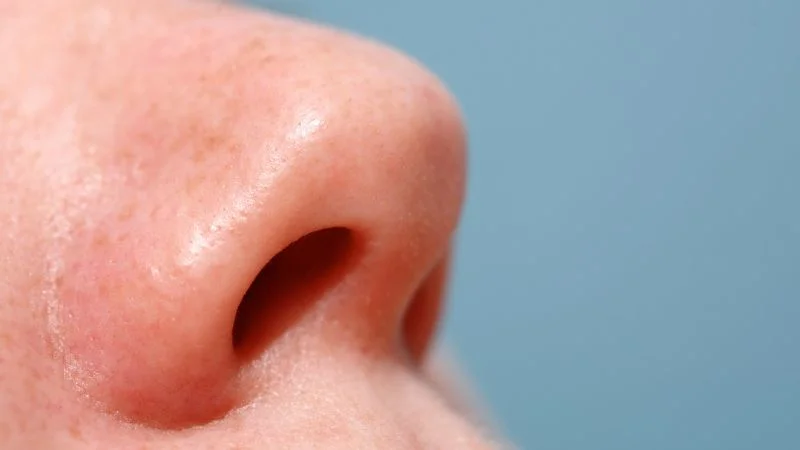
You naturally breathe through one nostril at a time due to the nasal cycle, a process likely regulated by the brain’s hypothalamus that can switch every couple of hours when you’re awake and less often when you sleep. The cycle alternates congestion and decongestion between nostrils to protect and repair the nasal lining, warm and moisten air, and help guard against pathogens. Right-nostril dominance has been linked to increased alertness, while left-dominance is associated with relaxation. Factors like colds, allergies, polyps, a deviated septum, medications, or lying down can disrupt the cycle. If one nostril remains blocked for more than a couple of weeks, see a healthcare professional.
New findings in The Journal of Neuroscience report that breathing timing can influence memory retrieval. In 18 young adults, EEG and a breath sensor linked brain alpha/beta oscillations and memory reactivation to the respiratory cycle: recalling an image cue was more accurate when the cue appeared during inhalation, with memory processing aligning to exhalation. Stronger breath-brain coupling predicted better memory scores, suggesting respiration acts as a scaffold for episodic retrieval. Authors caution that effects are modest and causality isn’t proven, and results reflect spontaneous breathing rather than deliberate breathing exercises.
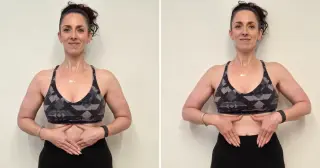
Posture walking, a trending walking technique focused on maintaining upright alignment, can improve digestion, breathing, reduce pain, boost mood, and increase movement efficiency by promoting better body alignment during walks, which benefits overall health and well-being.
Frogs breathe and drink through their porous, moist skin, which contains blood vessels for gas exchange and water absorption, allowing them to survive underwater and during hibernation, though this makes them vulnerable to pollutants and climate change.
MotoGP riders tape nasal dilator strips on their noses to improve airflow, enhance breathing efficiency, and gain a performance edge during races, especially under intense exertion. These inexpensive strips help open nostrils, reduce airflow resistance, and are used by many top riders for better oxygen intake and focus, although scientific evidence on their effectiveness varies.
Mouth taping, a trend popularized by James Nestor's book 'Breath', involves sealing the mouth to promote nose breathing and purported health benefits. However, scientific evidence supporting these claims is minimal, and for some with sleep apnea or nasal obstructions, it could be harmful. The trend is driven by social media influencers and fringe health figures, often without rigorous scientific backing.
Researchers at the Salk Institute have discovered a brain circuit linking voluntary breathing control to emotional states, involving the anterior cingulate cortex, pons, and medulla. This circuit can slow breathing and reduce anxiety, providing a neurological basis for practices like yoga and mindfulness. The findings suggest potential therapeutic targets for anxiety and panic disorders, with the possibility of developing drugs to regulate breathing and alleviate stress.
A health reporter experimented with the viral trend of mouth taping during sleep, which claims to improve sleep quality and facial aesthetics by promoting nose breathing. Despite anecdotal support, medical experts caution against its use due to a lack of scientific evidence and potential risks like disrupted sleep and aspiration pneumonia. The reporter experienced discomfort, skin irritation, and no noticeable benefits, concluding that while it might work for some, consulting a doctor is advised before trying it.
A new study funded by Lululemon and conducted by researchers at the University of British Columbia suggests that wearing a too-tight sports bra can affect breathing and impede running performance. The study tracked the breathing and lung function of elite runners and found that a too-tight bra caused them to take more shallow breaths and consume more oxygen, leading to decreased running economy. Experts recommend wearing a sports bra that offers adequate support without being too tight around the rib cage, emphasizing the importance of proper fit for optimal performance and comfort during exercise.
Researchers have identified a brain circuit that coordinates vocalization with breathing, ensuring speech occurs predominantly during exhalation. This circuit, regulated by a brainstem area responsible for breathing rhythm, receives inhibitory signals during inhalation, preventing speech. The study, conducted in mice, sheds light on the neurological control of speech and breathing coordination, suggesting a shared mechanism across species, including humans.
A groundbreaking study published in Nature Communications has revealed a significant link between breathing patterns during sleep and the brain's ability to consolidate memories. Researchers found that specific brain activities during sleep, such as slow oscillations and sleep spindles, were intricately synchronized with breathing patterns, impacting the process of memory reactivation. While the findings are correlational and further research is needed to establish causality, the study sheds light on the potential role of breathing in organizing memory-related activities during sleep and suggests implications for maintaining good sleep hygiene and exploring interventions to enhance memory consolidation.
MIT has developed an ingestible sensor that can record a person's breathing patterns by monitoring the movement of their intestines. The sensor, which is about the size of a multivitamin pill, could provide valuable insights into respiratory health and help diagnose conditions such as asthma and sleep apnea.
Researchers have identified a potential brain mechanism associated with sudden unexpected death in epilepsy (SUDEP). By studying individuals with uncontrollable epilepsy, they found a correlation between the amygdala, a brain region involved in emotion processing, and postictal apnea, a dangerous pause in breathing after a seizure. Seizures originating in specific amygdala subregions may suppress breathing and the alarm signal of "air hunger," potentially through novel connections to the brainstem. These findings provide insights into SUDEP and open avenues for further research, preventive measures, and targeted treatments.