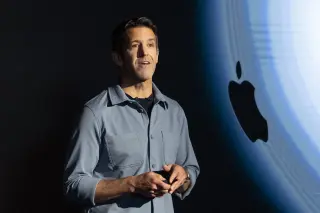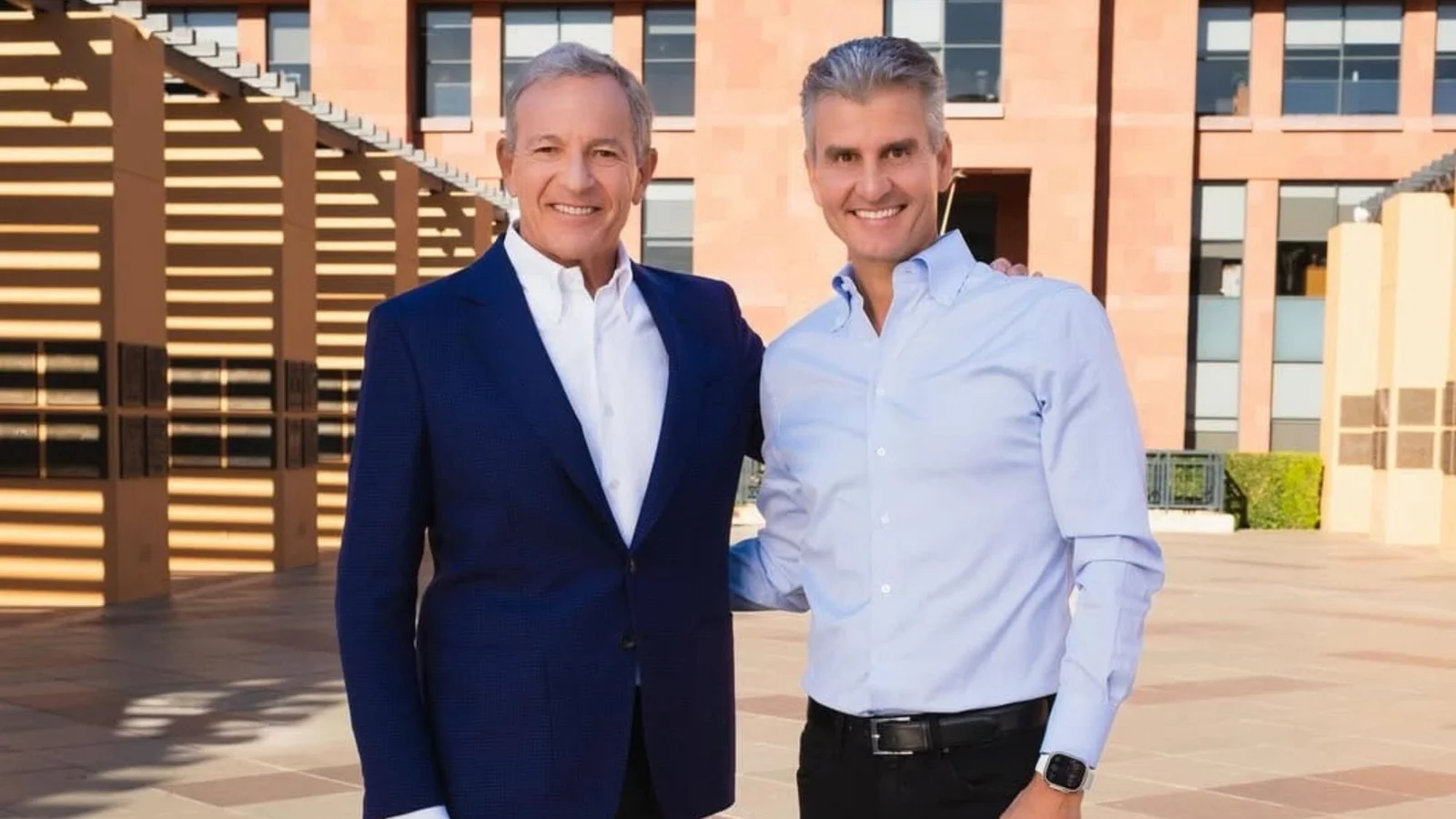
Disney completed a notably smooth CEO transition: Bob Iger stepped down after two tenures and over 50 years with the company, Josh D’Amaro was named the eighth CEO, and most top executives stayed in place, with an open, outsider-led search led by James Gorman guiding the process.
Bob Iger steps down as Disney’s CEO after nearly two decades, handing the reins to Josh D’Amaro who pledges to keep Disney+ central to growth and pursue a unified, 'One Disney' strategy across media, sports, parks, and streaming; Iger will remain as a senior adviser through 2026.
Bob Iger officially hands the Disney CEO baton to Josh D’Amaro, ending his return tenure; he will remain a special adviser through the end of 2026 while the successor leads, and Iger maps his post-Disney plans—sailing his yacht Aquarius and owning Angel City FC—amid ongoing speculation about his future advisory or investment roles in tech and entertainment.
Shantanu Narayen tells Adobe staff he will transition from the CEO role after a successor is named, remaining as chair to support the board and the next leader. He highlights Adobe’s growth from ~3,000 to 30,000 employees and revenue of about $25 billion, and emphasizes AI-driven opportunities as the company pursues its FY26 priorities. He notes the next era of creativity will be shaped by AI and new workflows, and invites employees to an upcoming meeting to discuss quarterly results and questions.
Coca‑Cola is set to report its Q4 2025 results before the market opens, with expected EPS of $0.57 and revenue around $12.05 billion. KO has climbed over 10% in the past month and hit a 52‑week high on steady demand and pricing power. The company will name Henrique Braun as CEO on March 31, 2026, succeeding James Quincey, and is exiting North America’s frozen products category to focus on juice. Investors eye a potential dividend hike; analysts maintain a bullish stance with a Strong Buy consensus and price targets near $80–$88, while options imply about a 3% post‑earnings move. Risks include a strong dollar, pressure on low‑income consumers, shifting beverage preferences, and Pepsi’s ongoing competition.
Workday says co-founder Aneel Bhusri is returning as chief executive officer with Carl Eschenbach stepping down to become a strategic advisor; Bhusri will lead the company into its next chapter in an AI‑driven era, alongside presidents Gerrit Kazmaier and Rob Enslin, effective immediately as Workday kicks off its fiscal year 2027.
Toyota names CFO Kenta Kon as its new CEO starting April 1, with Koji Sato moving to vice chairman and a newly created Chief Industry Officer role. Kon’s finance-focused leadership comes as the automaker pushes services and partnerships to boost margins amid tariff headwinds and competition, while Sato focuses on manufacturing efficiency and cross-industry collaboration. Toyota recently sold 3% more vehicles globally but posted a 1.9% year-over-year drop in operating profit; it projects about $23.3 billion in operating profit for the fiscal year, a roughly 21% decline from the prior year.
Michael Fiddelke, promoted from within, becomes Target's CEO at a time of flat/declining comparable sales, a weakening business, and community tensions in Minneapolis, with the outgoing CEO remaining as executive chairman. He faces balancing urgent turnaround efforts with worker and community concerns, while navigating a board that may resist drastic changes.
Target's incoming CEO Michael Fiddelke says the violence and loss of life in Minneapolis is incredibly painful after a second fatal shooting, joins a call for calm and deescalation, and will assume CEO duties on Feb. 1 while prioritizing safety, listening to employees, and guiding the company forward.
Warren Buffett has officially stepped down as CEO of Berkshire Hathaway, appointing Greg Abel as his successor. Abel, who has been with Berkshire since 2000 and previously led Berkshire Hathaway Energy, is expected to maintain the company's decentralized model while guiding its future growth. Buffett will remain as chairman, providing mentorship, and has expressed strong confidence in Abel's leadership. The transition marks a new era for the conglomerate, with some anticipated leadership adjustments but no major upheavals.
Saks Global announced that Richard Baker, the company's Executive Chairman, has become the new CEO, succeeding Marc Metrick who is stepping down after nearly three decades to pursue new opportunities. Baker will continue as Executive Chairman and focus on advancing Saks' transformation and luxury market growth.
Berkshire Hathaway's shares slightly declined on Warren Buffett's last day as CEO, as he prepares to hand over leadership to Greg Abel. Buffett's investment since 1965 has yielded an extraordinary 6,100,000% return, outperforming the S&P 500. Buffett remains involved as chairman, while Abel will oversee key business segments, with the future of Berkshire's $283.2 billion stock portfolio still to be announced.
Warren Buffett steps down as CEO of Berkshire Hathaway, leaving behind a company near all-time highs with a market cap over $1 trillion, and Greg Abel takes over as the new CEO, continuing Buffett's legacy of impressive investment success.
Frontier Group Holdings announced that James G. Dempsey, currently President, will become Interim CEO starting December 15, 2025, succeeding Barry Biffle who will stay on as an advisor until the end of the year. Dempsey has been with Frontier since 2014 and is expected to lead the airline into its next chapter, with the company reaffirming its financial guidance for Q4 2025 amid ongoing industry challenges.
Warren Buffett announced he will continue his annual Thanksgiving letter to shareholders, step back from writing Berkshire's annual report, and increase his charitable donations, as he prepares to retire as CEO and pass leadership to Greg Abel. He reflected on his life, expressed gratitude, and emphasized his commitment to philanthropy and his hometown of Omaha.