Adobe announced major updates to its Creative Cloud suite at Adobe MAX 2026, introducing the Creative Agent for automated workflows and new experimental AI tools. The company also previewed features that allow users to generate 3D scenes from photos and edit video in real-time.
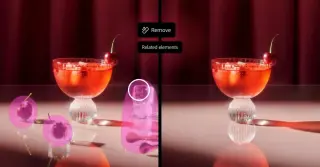
Adobe announced major updates at MAX 2026 in Miami Beach, focusing on generative AI capabilities for removing distractions, relighting scenes, and restyling images across Photoshop, Lightroom, and Premiere.
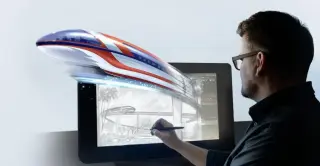
The Walt Disney Company and Adobe have announced a multi-year strategic alliance to integrate customized generative AI into Disney’s creative pipelines. Under the deal, Adobe becomes Disney’s official 'AI Innovation Partner,' granting access to Firefly, Firefly Foundry, Premiere, and Photoshop, alongside dedicated engineering resources. The collaboration focuses on developing bespoke models trained on Disney intellectual property to produce commercially safe, production-ready outputs. Early applications include transforming hand-drawn sketches into rendered concept art for theme parks and enhancing sports content for ESPN. This partnership follows Disney’s recent hiring of a new chief technology officer and previous failed AI deals, occurring amidst significant corporate layoffs and cost-cutting measures.
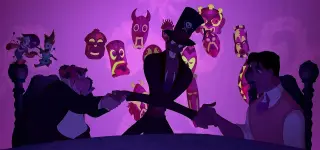
The Walt Disney Company and Adobe have launched a multi-year strategic partnership to develop proprietary, 'artist-led' generative AI models. Announced at Adobe’s MAX conference in Miami Beach, the deal grants Disney early access to Adobe’s Firefly Foundry, Photoshop, and Premiere, alongside dedicated engineering resources. The collaboration aims to create commercially safe, production-ready outputs trained on Disney’s unique character attributes, environments, and visual styles. This expands existing work in theme park design to include film production and sports content.
Adobe has released emergency updates for Campaign Classic and Connect to fix eight critical vulnerabilities, including code injection and SQL injection flaws, with no evidence of active exploitation.
New AI tools like REA and ArtCraft enable users to clone paid software, challenging traditional licensing models. While functional, these clones often lack reliability and face legal and ethical scrutiny.
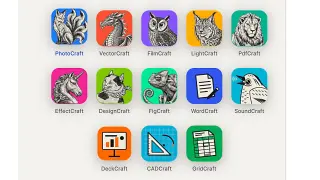
Software engineer Brandon Thomas has expanded his free, open-source ArtCraft suite to include clones of Microsoft Office, following earlier releases that replicated Adobe Creative Cloud tools. Built using Anthropic’s Claude AI and Rust, the new applications—WordCraft, DeckCraft, and GridCraft—mirror Word, PowerPoint, and Excel. While the tools remain in an early alpha stage with stability issues, they offer a subscription-free alternative to major tech giants, sparking debate over AI-generated code ethics and the future of proprietary software.
Software engineer Brandon Thomas has expanded his AI-assisted, open-source project ArtCraft to include free clones of Microsoft Office. Following earlier releases of Adobe Creative Suite alternatives, Thomas launched WordCraft, DeckCraft, and GridCraft to mirror Word, PowerPoint, and Excel. Built in Rust using Anthropic's Opus 5.5 AI, the tools aim to eliminate subscription fees. While the apps are free, Thomas offers paid subscriptions for generative AI features. The project has sparked debate over AI-generated code ethics, cybersecurity, and the future of proprietary software.
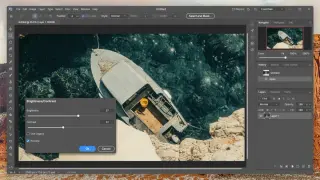
A solo developer has released 'ArtCraft,' a suite of free, open-source applications that closely mimic Adobe Creative Cloud and Microsoft Office. Built using the Rust programming language and the Claude Opus 5.5 AI model, the tools aim to provide 1:1 functional equivalents of paid software without subscription fees. While the initial alpha builds show impressive visual and functional parity, they suffer from bugs and stability issues. The project has sparked debate over the legality of AI-driven reverse engineering and the future of proprietary software models.
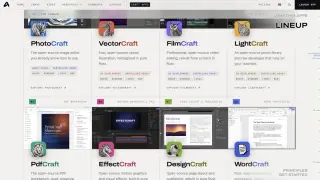
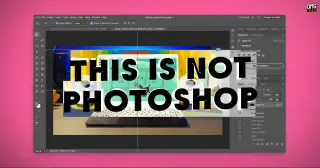
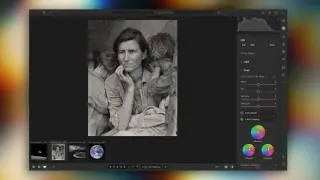
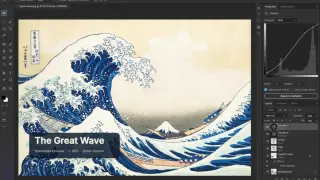
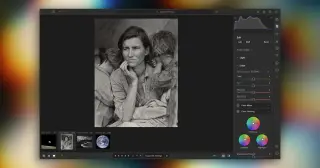
Brandon Thomas has released ArtCraft, a suite of seven free, open-source applications designed to replicate Adobe Creative Cloud tools. Built using AI and written in Rust, the apps include PhotoCraft, FilmCraft, and LightCraft. While currently in alpha, the project aims for full feature parity with Adobe’s software within months, challenging the dominance of subscription-based creative tools.
Software engineer Brandon Thomas has released ArtCraft, a suite of seven free, open-source applications designed to replicate Adobe’s Creative Cloud tools. Built using Anthropic’s Claude Opus 5.5 AI and the Rust programming language, the project includes functional but alpha-stage versions of Photoshop, Illustrator, Premiere, Lightroom, Acrobat, After Effects, and InDesign. While the apps aim to eliminate subscription fees, they currently suffer from significant stability issues and are not yet ready for professional use.
Atlanta-based developer Brandon Thomas has released ArtCraft, a free, open-source suite of seven applications designed to replicate Adobe Creative Cloud tools. Built using the Rust programming language and Anthropic’s Claude Opus 5.5 AI model, the project includes versions of Photoshop, Illustrator, Premiere, Lightroom, Acrobat, After Effects, and InDesign. Thomas, a 15-year industry veteran, describes the software as a 'clean-room reimplementation' to avoid copyright infringement. While the apps are currently in alpha and suffer from stability issues, they are available for macOS, Windows, and Linux without subscription fees, offering a potential alternative to Adobe’s controversial SaaS model.
Software engineer Brandon Thomas has released ArtCraft, a suite of free, open-source applications built in Rust using Anthropic's Claude Opus 5.5 AI. The project includes 'clean-room' reimplementations of Adobe Photoshop, Premiere, Lightroom, Illustrator, Acrobat, After Effects, and InDesign. While the apps are currently in alpha and available for Linux, macOS, Windows, and FreeBSD, they aim to provide a subscription-free alternative to Adobe's Creative Cloud. The release has sparked debate over legal implications, software stability, and the potential of AI to disrupt the subscription-based software model.
Software engineer Brandon Thomas has launched ArtCraft, a suite of seven free, open-source applications designed to replicate Adobe’s Creative Cloud tools. Built using Anthropic’s Opus 5.5 AI and written in Rust, the apps include PhotoCraft, FilmCraft, and LightCraft. While currently in alpha, the project aims for full feature parity with Adobe’s software within months, challenging the dominance of subscription-based creative tools.
Software engineer Brandon Thomas has released ArtCraft, a suite of seven free, open-source applications designed to replicate Adobe’s Creative Cloud tools. Built using Anthropic’s Opus 5.5 AI and written in Rust, the apps include PhotoCraft, FilmCraft, and LightCraft. While currently in alpha, the project aims for full feature parity with Adobe’s software within months, challenging the dominance of subscription-based creative tools.