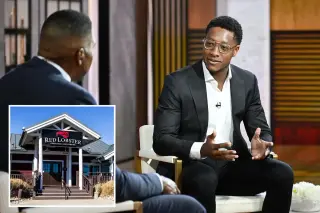
Red Lobster’s 37-year-old CEO Damola Adamolekun, appointed after the 2024 bankruptcy, plans a high-profile comeback driven by nostalgia, selective menu revivals, and an AI-forward strategy aimed at returning the chain to profitability by the end of the fiscal year.
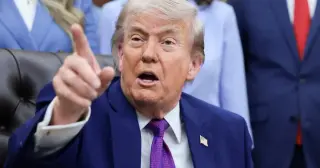
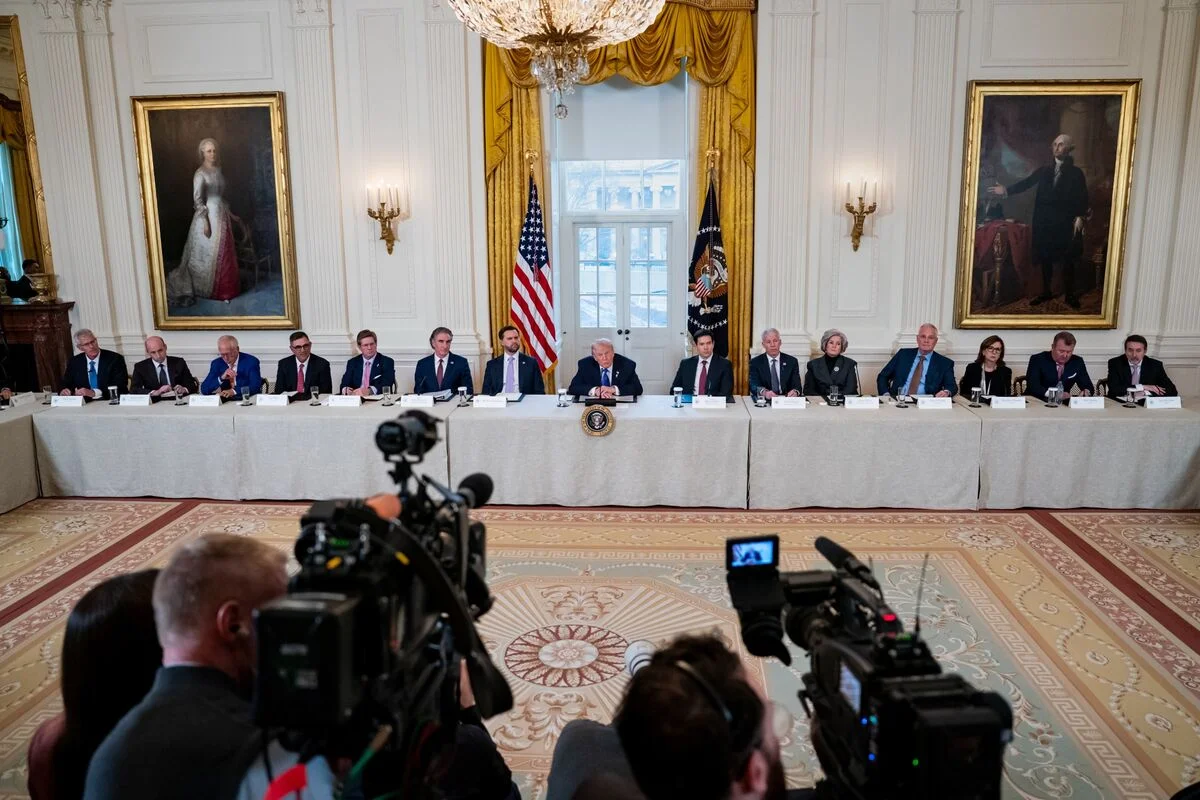
President Donald Trump invited more than a dozen U.S. corporate leaders—Apple’s Tim Cook, Tesla’s Elon Musk, Goldman Sachs’ David Solomon, Boeing, Cargill and others—to accompany him on a visit to China. Cisco’s Chuck Robbins will not attend due to earnings, and Nvidia was not invited. The White House is signaling potential deals on Boeing jets and American soybeans, framing the trip as corporate-backed diplomacy with attendance subject to change.
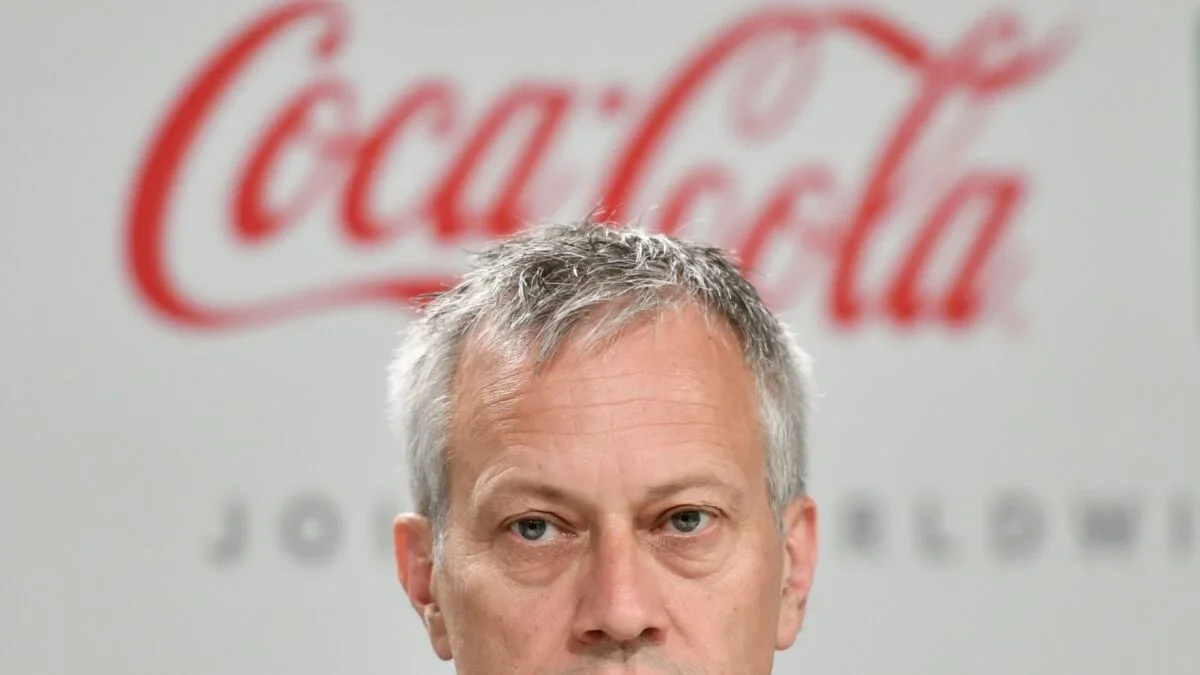
Top executives including Coca‑Cola’s James Quincey and Walmart’s Douglas McMillon are stepping down to hand leadership to successors better aligned with AI-driven disruption; Quincey has overseen AI-related layoffs and argued the next wave requires different leadership. The moves, echoed by other tech-adjacent exits like Adobe’s Narayen, signal boards pushing for faster AI adoption amid concerns about labor costs and the broader impact of AI on capitalism.
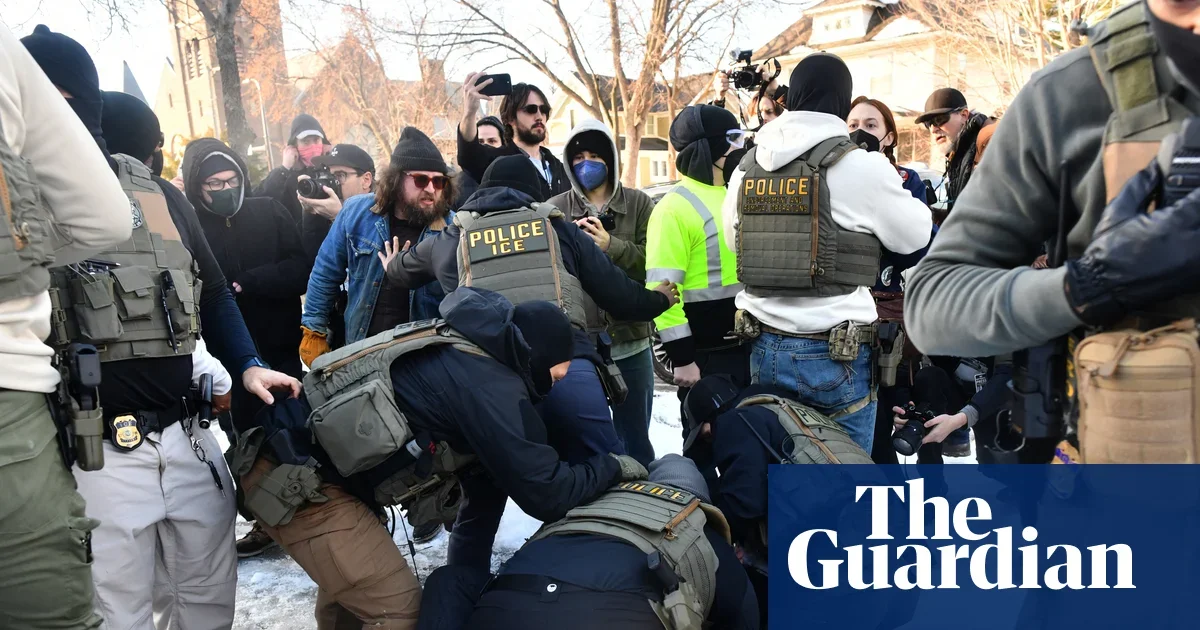
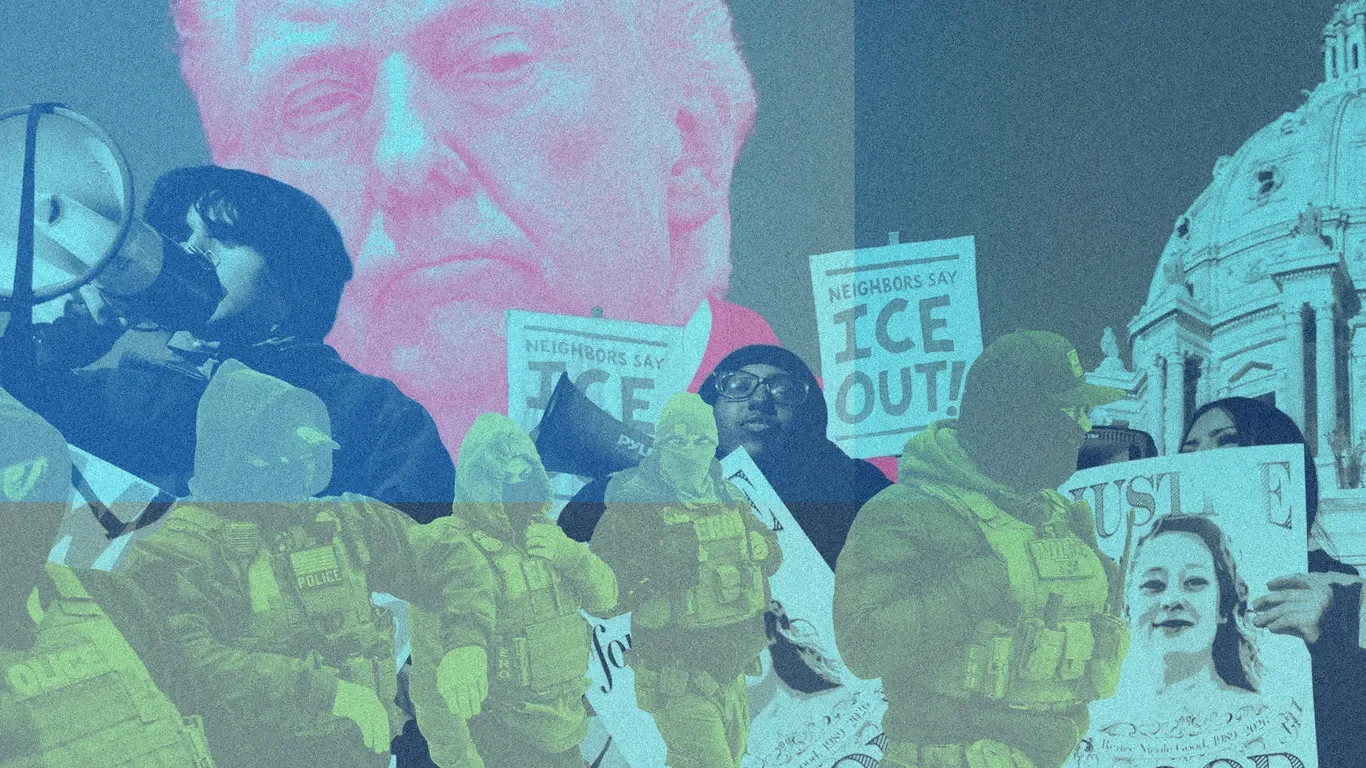
After Alex Pretti’s death at the hands of federal officers in Minneapolis, corporate leaders wrestle with when and how to speak out. A group of Minnesota-based CEOs released a joint letter calling for de-escalation but stopped short of specific actions, while other executives spoke out more quickly and employees circulated an open letter condemning the killings. Experts say CEOs act at ‘tipping points’ and that collective action matters more than loud individual statements, weighing reputational and talent risks against activism and public pressure.
More than 800 US tech workers sign a petition urging tech CEOs to pressure the Trump administration to remove ICE agents from U.S. cities and cancel ICE contracts, citing the killing of nurse Alex Pretti in Minneapolis; while some tech leaders have previously influenced ICE policy, it remains unclear whether major CEOs will act now.
More than 450 tech workers from Google, Salesforce, Meta, OpenAI and Amazon signed a letter organized by ICEout.tech urging CEOs to press the White House to condemn ICE, demand that ICE leave cities, and cancel all ICE contracts, citing the Minneapolis killing of Alex Pretti and a broader pattern of immigration enforcement; while some leaders have spoken out against ICE, many executives have remained silent, reflecting a shift in tech industry activism toward immigration policy.
Following fatal shootings of Alex Pretti and Renee Good by federal agents in Minneapolis, Minnesota’s top business leaders signed a Minnesota Chamber of Commerce letter urging immediate de-escalation and coordinated action among local, state, and federal officials to restore stability and allow families and businesses to resume normal activity, with signatories including CEOs from Target, 3M, Cargill, General Mills, Allianz Life, and others as well as local sports teams.
More than 60 Minnesota-based company leaders, including 3M, Cargill and UnitedHealth, signed a letter urging immediate deescalation and cooperation among state, local and federal officials after federal immigration agents fatally shot Alex Pretti in Minneapolis, saying the unrest has disrupted families and businesses and urging peace so communities can resume normal operations. The letter, released by the Minnesota Chamber of Commerce, notes ongoing behind-the-scenes collaboration with government officials and avoids direct political critique, amid a broader federal immigration crackdown and recent fatal incident in the city.
The article discusses how President Trump is increasingly intervening in private sector decisions, pressuring companies on issues like defense spending, oil investments in Venezuela, and housing policies, which has caused concern among CEOs and altered traditional Republican business policies. Despite pushback from some businesses and lawmakers, Trump continues to seek influence over corporate actions, blending deregulation with populist interventions as he seeks political gains ahead of midterm elections.
Many top CEOs start their day by checking their phones, using apps like weather, LinkedIn, wellness trackers, messaging platforms, news, and email to prepare for the day ahead, highlighting that even the most successful leaders rely on their devices first thing in the morning.
Investors expect quicker returns from AI investments than CEOs, leading to tension that could impact market winners and losers, with investor impatience possibly disappointing by 2026 despite increased AI spending by companies.
The article highlights the outstanding CEOs of 2025 in the biotech and pharma industries, emphasizing a record year for mergers and acquisitions, with nearly $240 billion in deals, and recognizing various leaders including dealmakers, underdogs, and mavericks.
Wall Street CEOs attended a dinner at the White House with President Trump, highlighting the close ties between financial industry leaders and the administration.
The US immigration crackdown is having a significant negative impact on businesses, including reduced customer visits, lower sales, decreased productivity, and increased fear among workers and customers, which is more damaging than tariffs according to some CEOs.
A growing number of CEOs and AI experts warn that AI could eliminate up to half of white-collar jobs in the U.S., leading to a potential jobs crisis, while the government appears unprepared to address this impending shift.