A hazardous material release in Toledo, Ohio, triggered a one-mile evacuation and a three-mile shelter-in-place order on Tuesday night. The incident caused dense fog, a plastic-like odor, and school closures, though no injuries were reported.
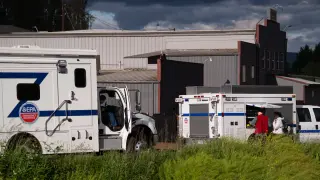
Crews have recovered six more victims, bringing the death toll to eight after a caustic white liquor tank ruptured at Nippon Dynawave in Longview; three workers remain missing and presumed dead in a hazardous, unstable site. The incident is Washington’s deadliest workplace disaster in a century, leading to the mill shutdown; thousands of gallons leaked toward the Columbia River and authorities are monitoring air and water during the ongoing recovery in a dangerous environment.
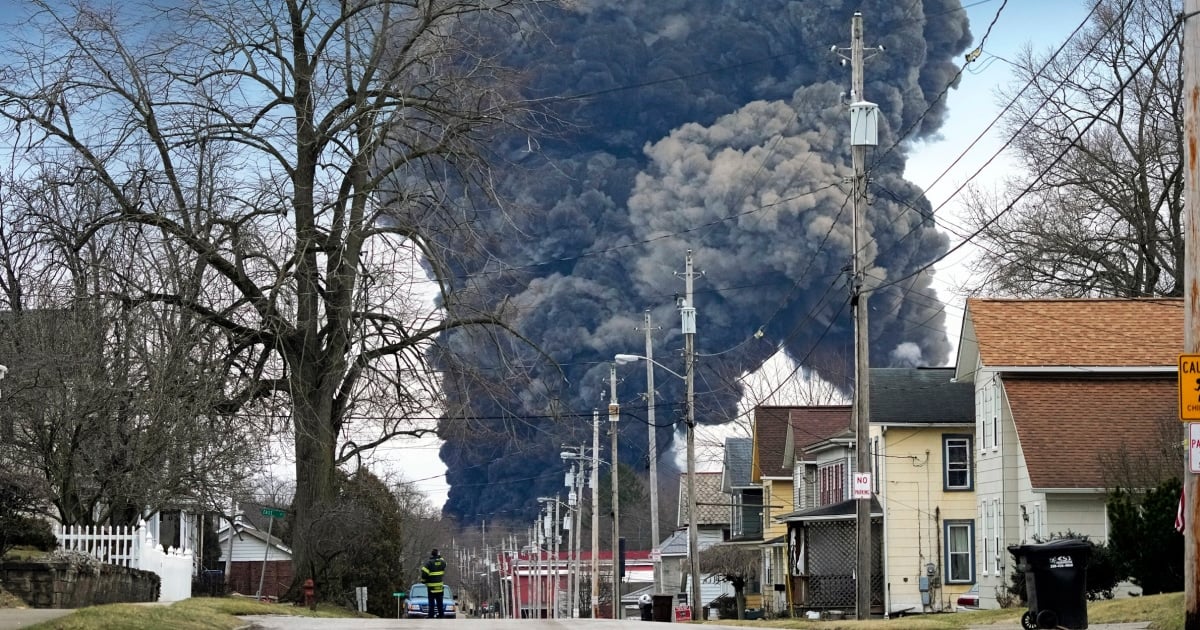
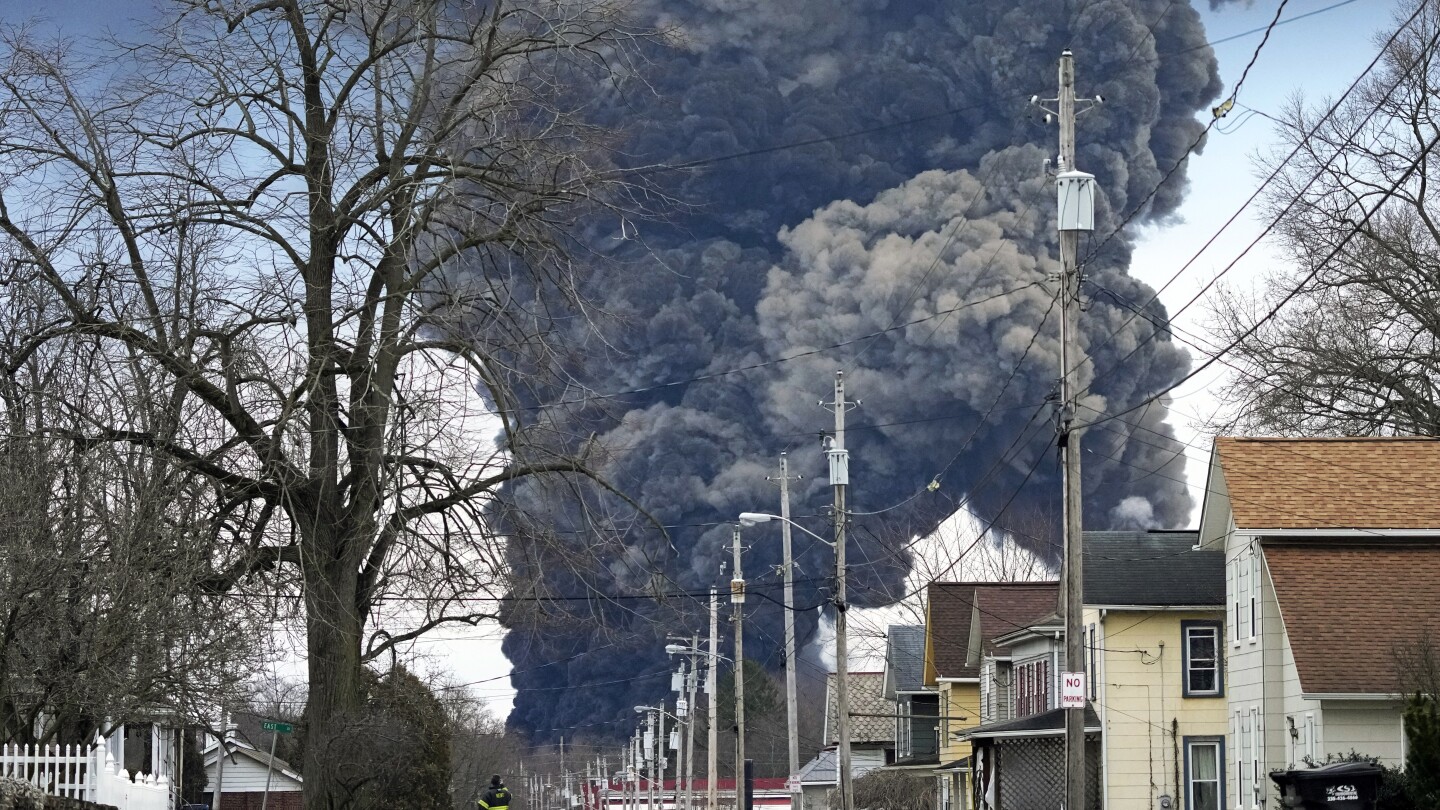
The NTSB stated that the decision to blow open tank cars and burn the toxic chemical after an Ohio train derailment wasn't justified, as experts from the chemical company believed no dangerous reaction was occurring. The agency won't release its final report until June, but it's clear that the controversial vent-and-burn action wasn't necessary. Residents are left with lingering health concerns, and questions about long-term effects remain unanswered. Norfolk Southern defended the decision, but some believe it was driven by profit motives. The cleanup is ongoing, and some residents are still experiencing health issues.
The NTSB stated that the decision to blow open tank cars and burn the toxic chemical after an Ohio train derailment wasn't justified, as experts believed no dangerous chemical reaction was occurring and there was an option to let it cool down. The decision-makers never received this information, leading to fears about long-term health consequences for residents. The NTSB won't release its final report until June, and questions about potential long-term health effects remain unanswered. Norfolk Southern defended the decision, but some residents believe it was driven by greed. Cleanup is ongoing, with some residents still experiencing health concerns, and an investor group is pushing to take control of the railroad.
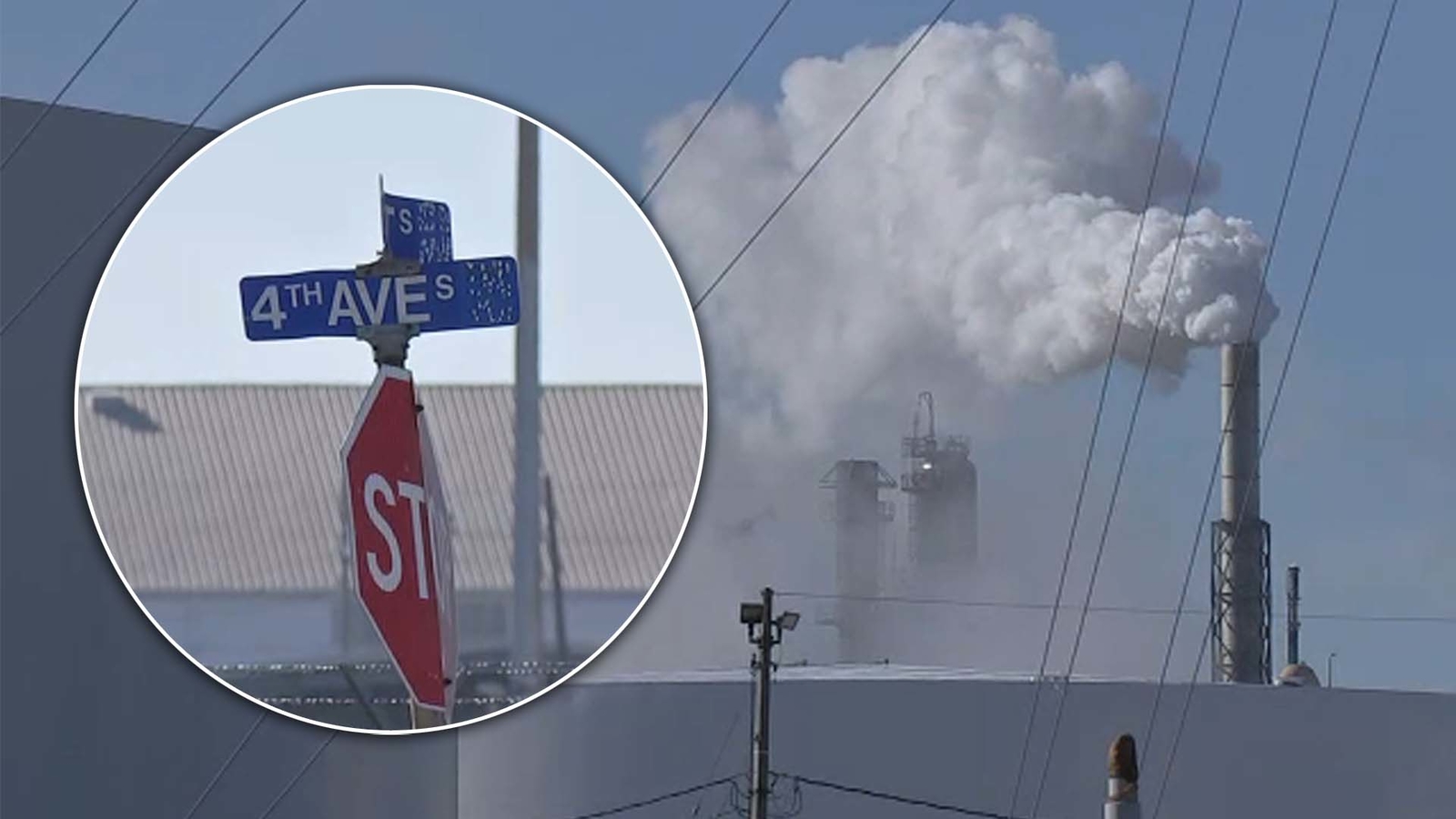
A shelter-in-place was lifted in Texas City after a chemical release of sulfur dioxide occurred at the Marathon Galveston Bay Refinery. The release was due to operational issues in one of the refinery's units. No medical issues were reported, and the affected roads and areas have since been reopened. Residents were advised to shelter in place by minimizing airflow in their homes and sealing windows and doors. Symptoms of chemical exposure include skin irritation, coughing, and shortness of breath.