The UK Ministry of Defence (MoD) discovered that cameras on Royal Navy K3 Scout drones contained Chinese-made components that secretly transmitted data to Beijing. The MoD has cut internet access to these systems, stating no sensitive data was compromised, but the breach has triggered a wider review of military supply chains.
At a Berlin defense conference, European drone firms urged faster EU procurement, broader funding, and a unified approach as the EU expands SAFE loans and EDIP; policymakers are exploring joint capability coalitions and a European preference for defense sourcing, including a rule that at least 65% of components come from the EU, Norway, or Ukraine. While donors and industry see promise in funding tools and shared standards, legal barriers and the need for open, interoperable architectures remain the main hurdles. Experts also emphasize demonstrating product viability locally (e.g., protecting Lithuania’s airport) to scale up, while concerns over China and resource dependencies drive EU diversification efforts under plans like Resource EU.
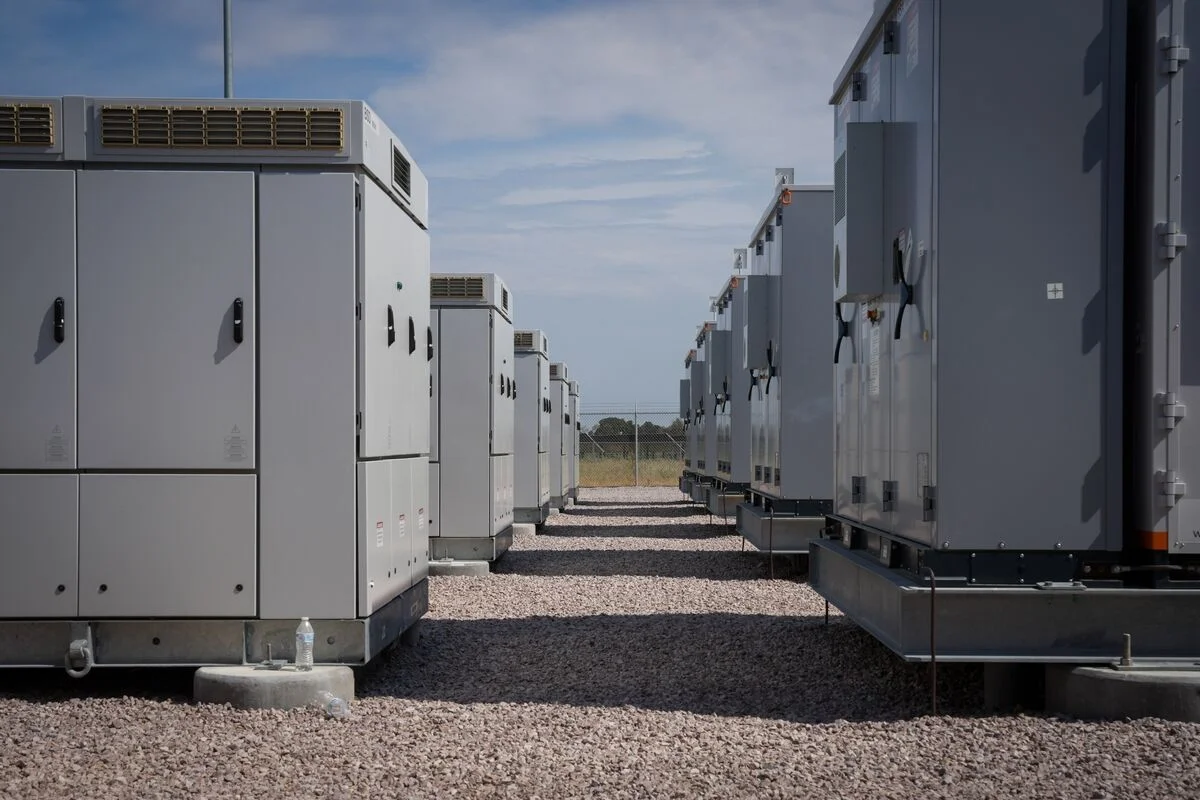
China's new export restrictions on batteries and related materials could significantly impact US energy storage and battery industries, as China dominates key supply chains and the US faces increasing demand for energy storage to support data centers and grid stability amid ongoing trade tensions.
Senate Republicans are pushing a bill that includes a new tax on solar and wind projects tied to materials sourced from adversarial countries like China, which industry experts warn could severely damage the U.S. renewable energy sector, increase costs, and halt investments, potentially killing the industry altogether.