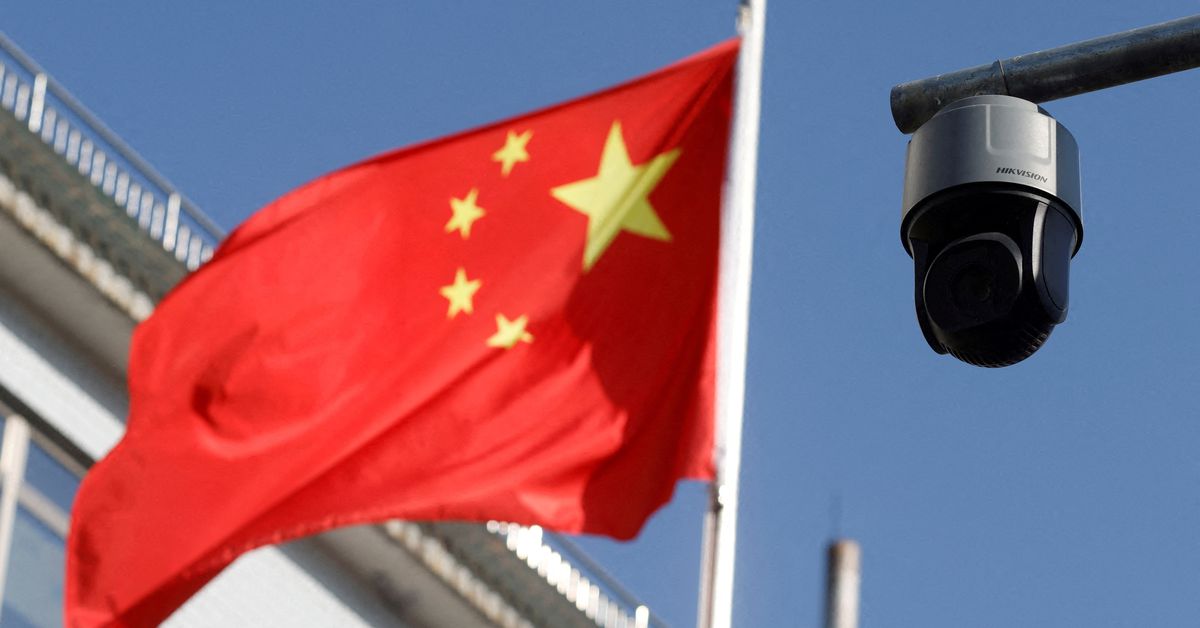
Under Xi Jinping, tens of millions of state workers face strict rules that govern whom they can marry, where they can travel, and how they conduct relationships, as the party ties personal life to loyalty and uses anti-corruption and espionage concerns to justify pervasive control.
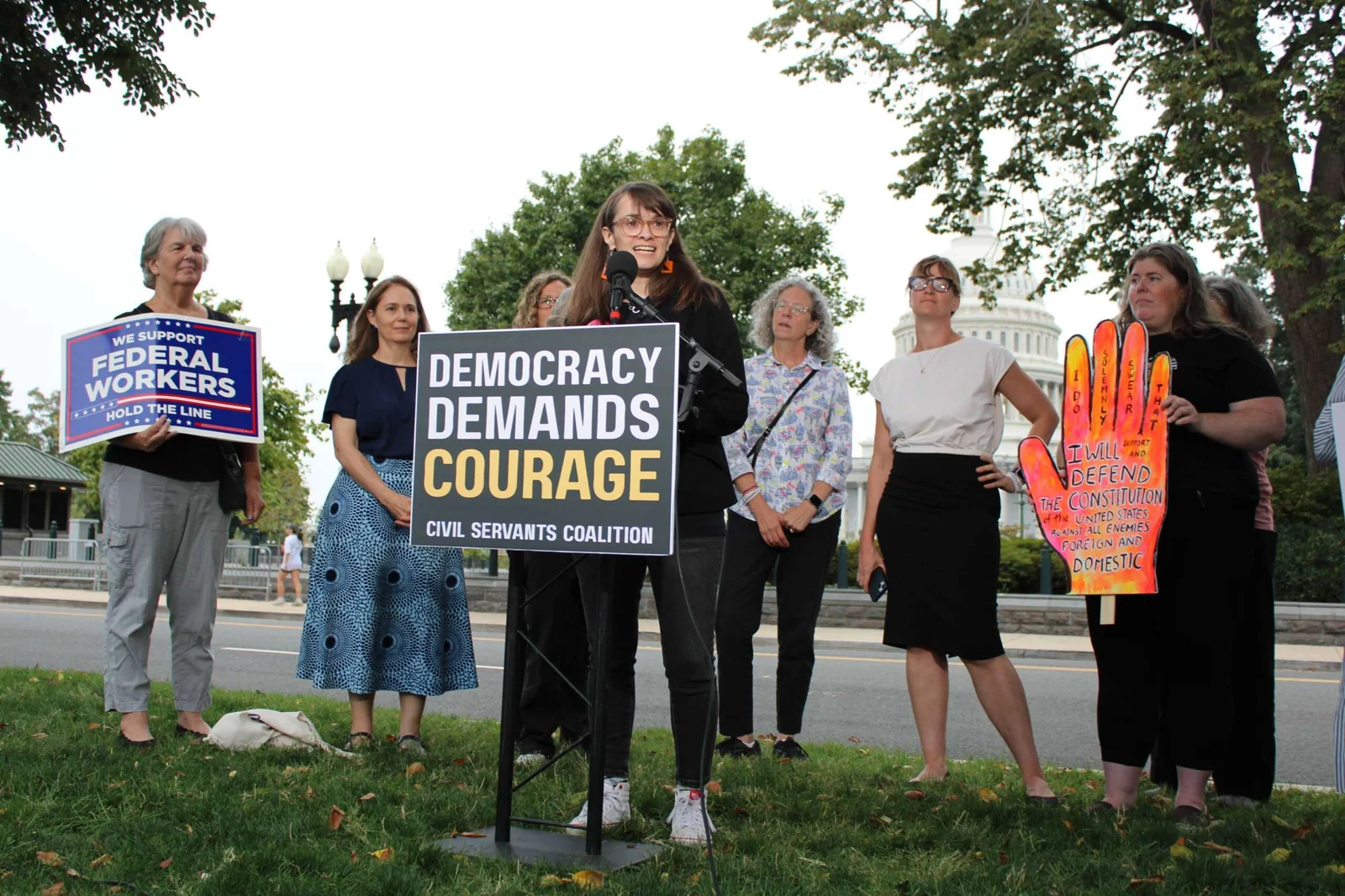
A group of federal employees and their supporters gathered outside the Supreme Court to oppose a GOP stopgap funding measure, criticizing the Trump administration's impact on federal workers and urging Democrats to resist budget cuts and layoffs, especially amid threats of a government shutdown.
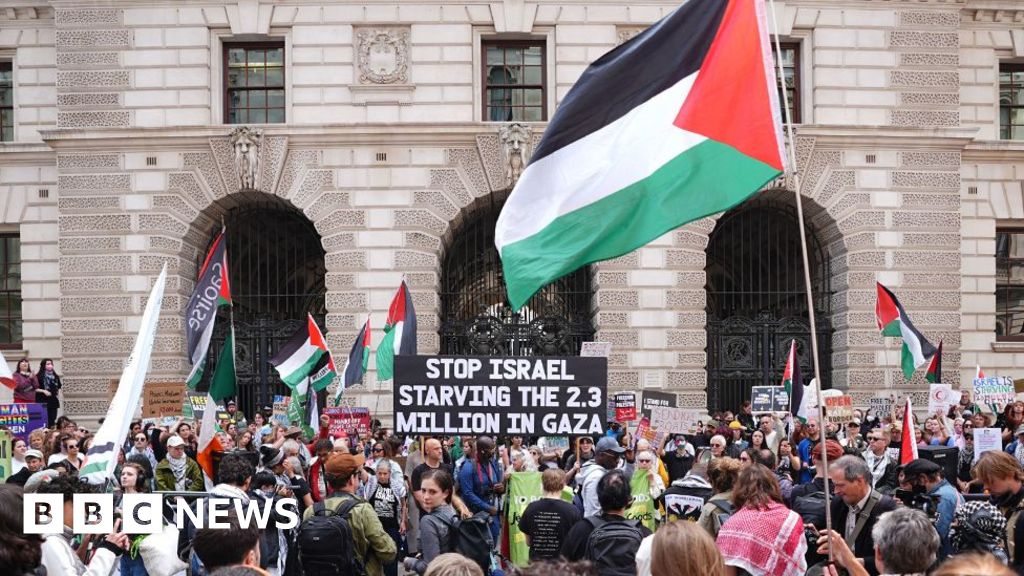
Over 300 UK Foreign Office staff raised concerns about the UK's stance on Gaza, questioning its compliance with international law, but were told that if they profoundly disagreed with government policy, resignation was an 'honourable course.' The response has sparked outrage among officials who feel their ability to challenge policy is being suppressed amid ongoing debates over Israel's actions in Gaza and UK arms exports.
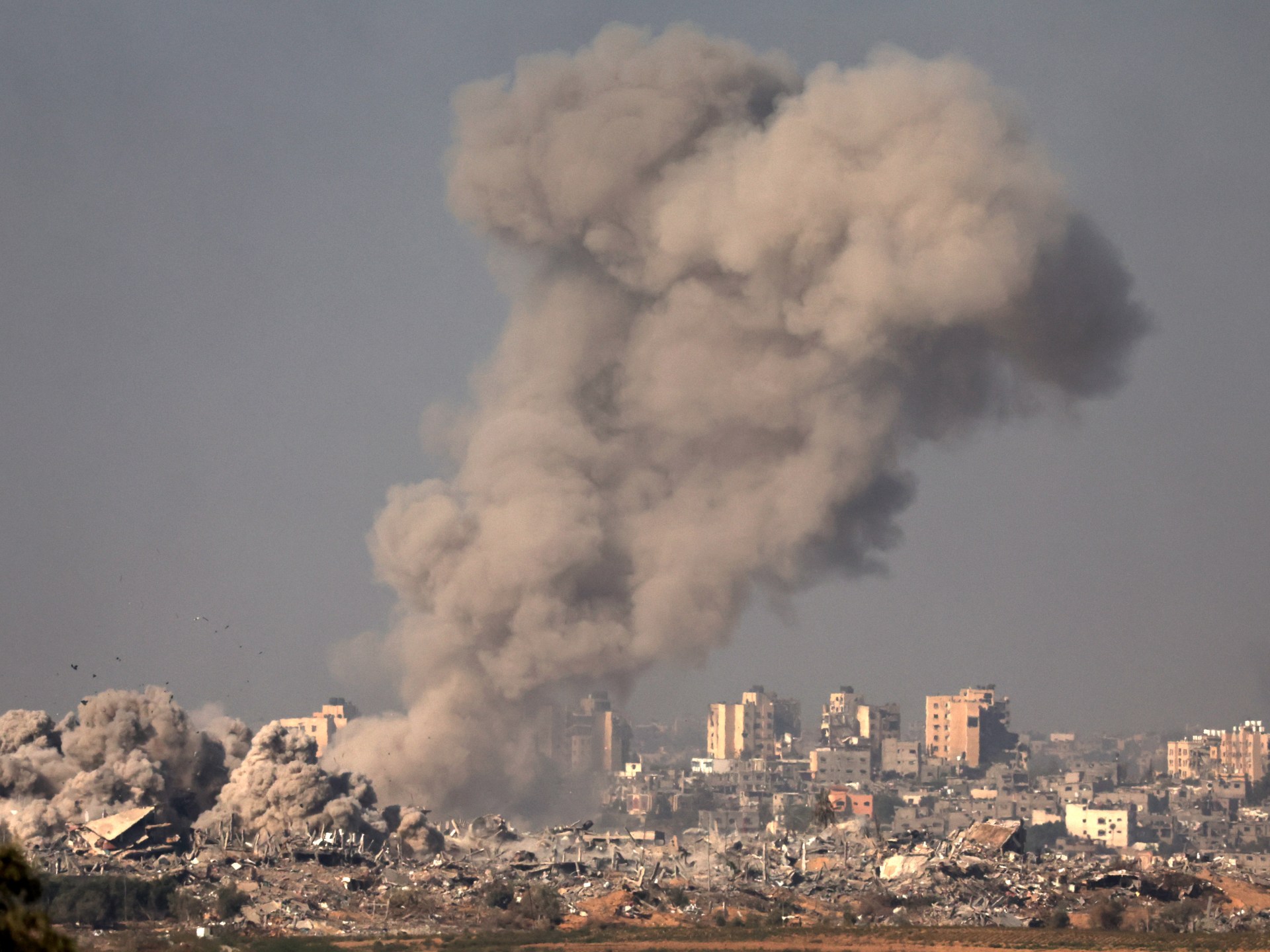
A group of German civil servants has urged the government to immediately halt arms deliveries to Israel, citing human rights concerns and alleged violations of international law in Gaza. The initiative, supported by around 600 civil servants, also calls for Germany to pressure Israel for a ceasefire in Gaza, renew payments to UNRWA, and advocate for the recognition of a Palestinian state. The civil servants express fear of state repression and a "climate of fear" within the civil service, with concerns about damage to Germany's international reputation and relationships. Similar sentiments have been expressed by civil servants in the US and the EU, with one Dutch diplomat resigning over Gaza policy.
Chinese civil servants and employees of state-linked enterprises are facing tighter constraints on private travel abroad and increased scrutiny of their foreign connections as part of Beijing's campaign against foreign influence. The measures include bans on overseas travel, stricter limits on trips' frequency and duration, onerous approval processes, and pre-departure confidentiality training. These restrictions are seen as part of President Xi Jinping's focus on national security and reducing opportunities for foreign espionage. The travel curbs are now filtering down to lower-level workers, including civil servants and state-enterprise employees. Chinese authorities are also mapping government and state-linked workers' personal and family ties to other countries. These measures reflect China's efforts to limit foreign influence and encourage citizens to participate in anti-espionage activities.
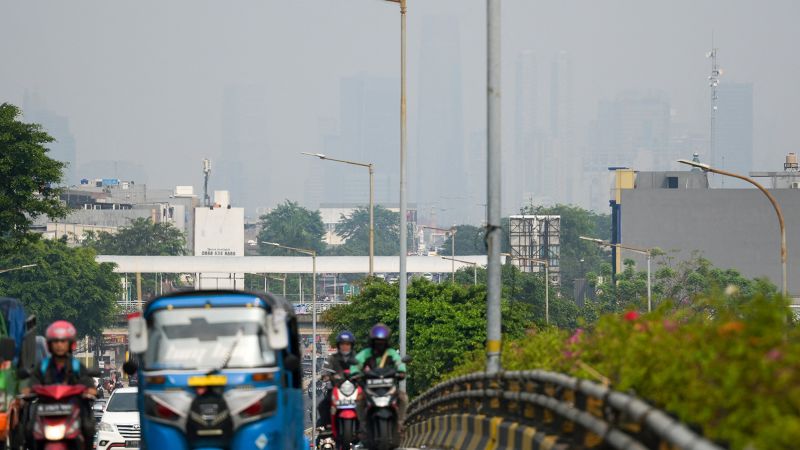
In an effort to combat dangerous levels of air pollution in Jakarta, some civil servants have begun working from home, with plans to gradually increase the number of remote workers. The city's air quality has deteriorated to hazardous levels, prompting President Joko Widodo to call for urgent government intervention. The policy will apply to government offices, but not to essential services such as hospitals and public transport. Indonesian officials are under pressure ahead of the ASEAN Summit, which will be held in Jakarta, and have acknowledged that the president's persistent cough may be related to the worsening air pollution.
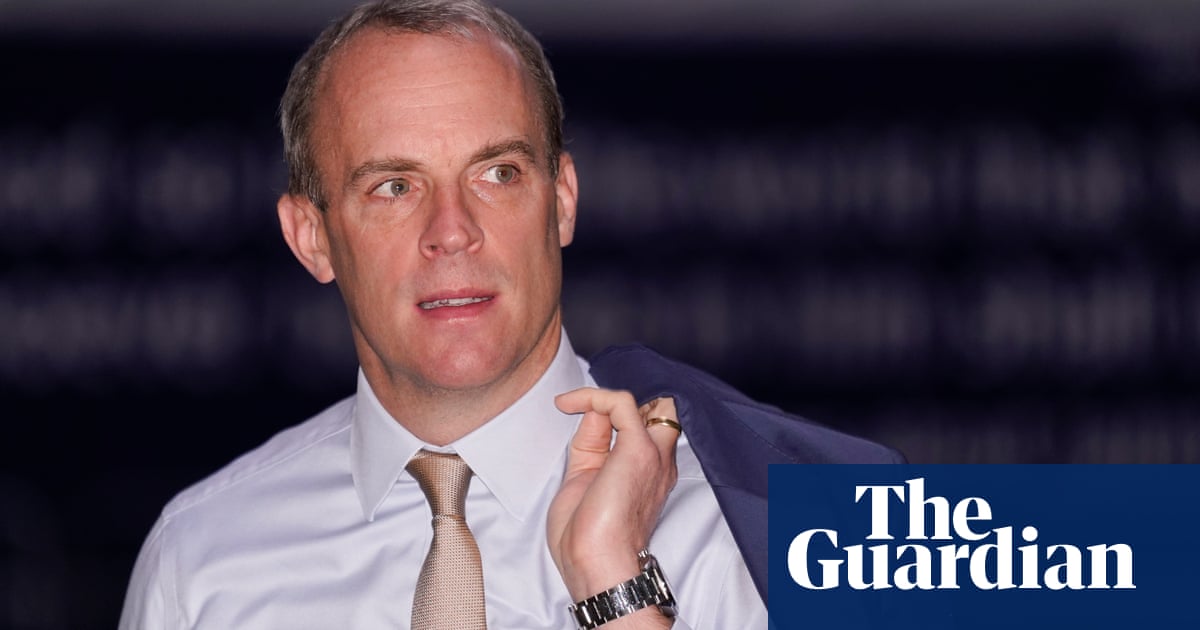
Former UK justice secretary Dominic Raab has resigned after an inquiry found his conduct in some instances "involved an abuse or misuse of power in a way that undermines or humiliates". Raab has blamed "activist civil servants" who could not cope with being told that their work was not up to the standard he expected. The fallout could mean trouble for Raab's political future and for Rishi Sunak's government.