A widespread outage hit Microsoft 365 services on November 12, 2026, affecting Outlook, Teams, and Copilot. The disruption, which peaked with over 130,000 reported issues, was caused by servers failing automated health checks rather than increased traffic. Microsoft is rolling out a fix to restore services.

A widespread outage on November 12, 2026, disrupted Microsoft 365 services, including Outlook and Teams, affecting over 130,000 users. The incident was caused by unexpected server failures straining remaining infrastructure, not increased traffic. Microsoft paused deployments and redistributed traffic to restore services, with full recovery ongoing.
Microsoft 365 business and enterprise services suffered a major outage on Thursday, November 12, 2026, primarily impacting users in the Americas. The disruption, which began around 10:40 am ET, prevented access to Outlook, Microsoft Teams, SharePoint Online, Copilot 365, and Defender XDR. Microsoft attributed the issue to elevated system loads caused by servers unexpectedly going offline, rather than a surge in user traffic. By 1:15 pm ET, error reports on Downdetector began to decline after a spike at noon, with over 130,000 issues logged. Microsoft paused all deployments, redistributed traffic to global infrastructure, and restarted affected servers to restore service. No specific recovery timeline was provided, and the root cause remains under investigation.
Tom's Guide reports that 83% of smartphone storage issues are caused by two primary factors: accumulated photos and bloated applications. ZDNET argues that manufacturers exploit this scarcity by selling excessive storage tiers, urging users to calculate cost per gigabyte rather than total capacity to avoid overpaying for unused space.
Oracle has won a 10-year U.S. military software contract worth up to $6.99 billion if all option years are exercised, with a base value of about $3.31 billion over the first five years. The deal covers Oracle software in on‑premises data centers across the armed forces, Coast Guard and intelligence agencies, and also enables purchases of cloud services, software applications, support and professional services via specific orders. Officials say the consolidated procurement could save taxpayers at least $441 million by reducing fragmentation and increasing interoperability, as part of the Department of War’s Enterprise Software Initiative. Oracle shares rose in after-hours trading on the news, though the pace and size of orders will be watched closely.
Meta Platforms reportedly plans to launch a cloud computing business to sell excess data-center capacity to third-party customers, potentially hosting AI models and charging developers—an attempt to diversify away from advertising. The Bloomberg report sent META stock up about 11% in morning trading. CEO Mark Zuckerberg had previously teased the idea of selling compute, but Meta has not confirmed active plans. If pursued, the move could help offset AI-spending concerns and broaden revenue streams amid investor scrutiny of Meta’s AI investments.
Akamai jumped about 20% after announcing a $1.8 billion, seven-year deal with a leading frontier-model AI provider to expand its cloud infrastructure, as first-quarter revenue rose 6% to over $1 billion and cloud services revenue climbed 40% to $95 million; the company also projected Q2 revenue of roughly $1.08–$1.10 billion and adjusted EPS of $1.45–$1.65, highlighting its push to support AI workloads with its distributed network.
Brookfield Corporation is positioning itself as a leading AI infrastructure play, launching a Brookfield AI Infrastructure Fund to deploy up to $100 billion in AI assets with seed commitments from Brookfield and Nvidia, and launching Radiant—an Nvidia cloud partner to build AI data centers. With a broad footprint in infrastructure, power, and credit, Brookfield expects strong earnings growth over the next five years. At about $46 a share, it trades at a discount to an estimated value of roughly $68 per share, with a long-term bull case near $130 by 2030, which is why it’s cited as the highest-conviction AI stock to buy now.
Nearly 900 Google employees sign an open letter demanding more transparency about how the company’s technology is used by the U.S. government and urging it to cut ties with ICE/CBP, pull related apps, and protect workers, reflecting rising tech‑industry activism over government contracting.
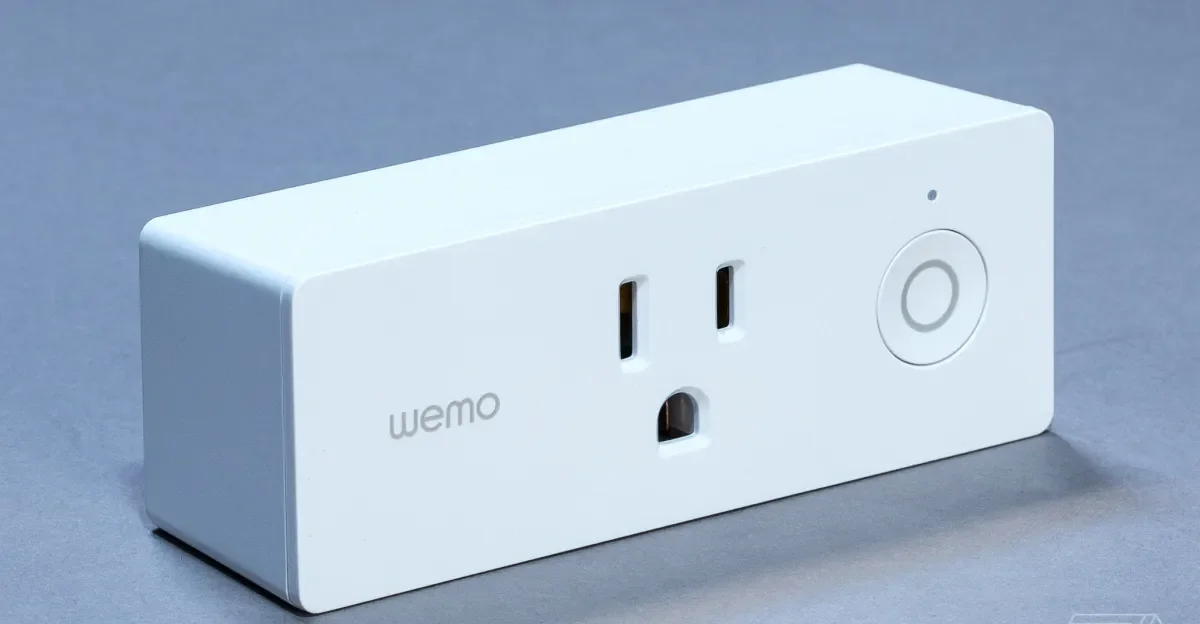
Belkin will shut down cloud services for most Wemo devices this weekend, ending remote access and integrations with Google Home and Alexa; the Wemo app will stop receiving updates on Jan 31, and many devices will only work manually after the shutdown. A subset of Thread-based devices and those configured with HomeKit may continue to function, while warranty-covered units could qualify for partial refunds.
Bose is shutting down cloud services for its SoundTouch speakers in May 2026, but the devices will remain functional via Bluetooth, AirPlay, and AUX, with an API provided for third-party app support, demonstrating a customer-friendly approach to product obsolescence.
Google experienced a significant outage affecting Google Drive, Google Sheets, Google Docs, and other Workspace services, with thousands reporting problems accessing files and services, prompting an investigation and temporary workarounds.
IBM plans to cut a low single-digit percentage of its global workforce in Q4 as it shifts focus towards high-margin software and cloud services, particularly through its Red Hat division, amid a slowdown in cloud growth. The layoffs may impact U.S. employees but are not expected to significantly change employment levels in the country.
Both Amazon and Apple reported strong earnings, with Amazon showing significant growth in its cloud unit and a higher potential upside according to analysts, making it the more favored stock post-earnings, while Apple offers steady growth and AI integration.
Microsoft Azure experienced a widespread outage affecting all regions, including major services like Microsoft 365, Xbox, and Azure's cloud offerings. Recovery efforts are underway, involving reloading configurations and rerouting traffic, with full restoration expected by late October 29. The outage highlights systemic risks associated with reliance on centralized cloud services.