
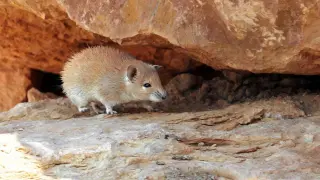
Desert Mouse Defies Aging, Hinting at New Longevity Pathways for Humans
Researchers studying the golden spiny mouse from Middle Eastern deserts found high levels of clusterin, a protein linked to longevity, and a thymus that remains functional into old age, implying metabolic pathways that help maintain healthspan and lifespan. These diurnal mice live up to about five years—longer than typical rodents—likely due to a combination of lifestyle and genetics, and the findings could guide future aging research across mammals, including humans.