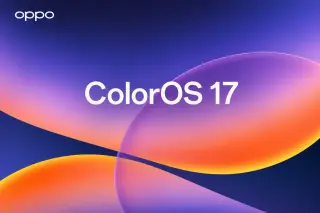
Oppo has officially unveiled ColorOS 17, its latest Android skin, at a developer conference in China, touting AI-powered features and performance upgrades, with a rollout schedule announced for Oppo, OnePlus, and Realme devices.
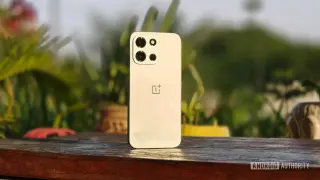
Android 18 is expected mid-2027 and should land on OnePlus devices released in 2024 and later (including OnePlus 12, 13-series, Nord 4–6, Nord CE 5–6, and the 16-series; Nord 7 and possibly 17 may also qualify). Even after OnePlus exits the U.S. market, after-sales support and warranties will continue in Europe/North America. OxygenOS will be replaced by ColorOS across OnePlus devices, with beta access limited due to the market exit. Typical update patterns remain: about four major Android updates and roughly five to six years of security patches for flagship/midrange devices, while budget Nord N models get about a year of updates and two to three years of patches.
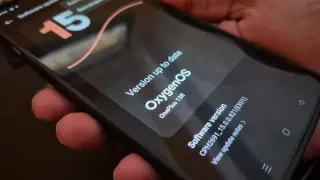
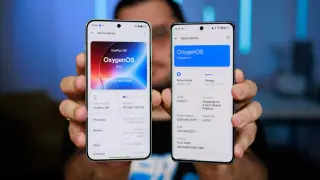
OnePlus is withdrawing from North America and Europe this year to focus on Asia/India, but says it will honor its software support promises via warranties and OnePlus Care. It will transition from OxygenOS to ColorOS 17, with the option to roll back to OxygenOS 16 when a rollback tool is available. Android 17 is rolling out for flagships since the OnePlus 11, with model-by-model timelines: 11 security through Feb 2028; 12R OS through Jan 2027 and security through Jan 2028; 12 OS through Jan 2028 and security through Jan 2029; 13/13R through Jan 2029 with security through Jan 2031; 15/15R through Nov 2029 with security through Nov 2031. Nord devices released in NA are no longer supported. There have been regulatory inquiries into privacy and past vulnerabilities (notably a late-2024 OxygenOS flaw), which color the safety discussion, but overall the company promises continued updates for several years.
OnePlus is retreating from North America and Europe as Oppo consolidates its brands, reducing options in a market already short on disruption. The move shifts focus toward more affordable devices in remaining regions, while existing OnePlus phones will still receive updates and warranties. Customers can switch to Oppo’s ColorOS or revert to OxygenOS, though it’s unclear who will handle repairs in North America. The exit underscores ongoing market consolidation and questions about OnePlus’ once-innovative edge.
OnePlus confirms its North American Community site will permanently shut down on August 16, 2026, urging users to back up posts and media. Eligible devices can voluntarily upgrade to ColorOS 17, with an option to roll back to OxygenOS later, while older phones continue maintenance. The company will stop launching new products in the US/Canada and replace the North American forum with a global Discord server (not a support channel).
OnePlus has announced it will stop all new product rollouts in North America and Europe, effectively exiting those markets, while continuing to support existing devices with updates and warranties and switching from OxygenOS to ColorOS with Android 17.
OnePlus will stop launching new devices in North America and Europe, ending its official presence in these markets as OPPO shifts its global product strategy. Existing software updates, after-sales support, and warranties will continue; OnePlus India remains a priority, and ColorOS will power OnePlus devices in NA/Europe. No replacement plan for NA customers was announced.
OnePlus has confirmed it is quitting the US and European markets, with Oppo promising warranty coverage and migrating devices from OxygenOS to ColorOS for future updates; users may roll back to OxygenOS but that would likely forgo future updates. Bloomberg reports the brand could also leave India and other markets (outside China), while Realme will undergo restructuring. Some OnePlus staff may move to Oppo, and the company remains uncertain about whether the OnePlus 16 will launch outside China.
A report claims Oppo plans to retire OxygenOS and Realme UI, migrating all OnePlus and Realme devices to ColorOS as part of a broad brand consolidation. Existing devices would keep current skins for now, but future models could lose the lighter, closer-to-stock Android identity that OxygenOS and Realme UI offered.