Trump canceled the Senate confirmation hearing for Jay Clayton to lead the intelligence community, saying Bill Pulte will remain acting DNI for now, and Sen. Tom Cotton said the president directed Clayton not to appear.
During his confirmation hearing, OMB nominee Hal Duncan refused to promise the administration won’t use pocket rescissions to cancel funding without Congress, a tactic critics see as an end-run around Congress; the day’s updates also cover Todd Blanche’s Senate Judiciary confirmation process, scrutiny of a reported Iran deal memorandum, and other Capitol Hill budget and oversight actions.
President Trump announced Nicole Saphier, a radiologist and Fox News contributor, as the new surgeon general, ending Casey Means’s nomination after nearly a year of stalled confirmation amid Republican concerns about her credentials. Saphier is Trump’s third choice for the post and was praised by the president as an effective communicator; Means’s nomination had faced scrutiny and delays in the Senate.
Democratic senators on the Senate banking committee are pressing Federal Reserve chair-nominee Kevin Warsh over more than $100 million in undisclosed assets, threatening to complicate next week’s confirmation hearing. Warren described Warsh’s holdings as a red flag and warned a divestment promise isn’t enough for transparency, while the Office of Government Ethics says current disclosure is compliant. Warsh disclosed over $130 million in assets, mostly in Duquesne funds, with Juggernaut kept confidential due to a confidentiality agreement. The probe into Powell and Republican resistance to Warsh’s nomination add to a highly contentious political backdrop for the confirmation.
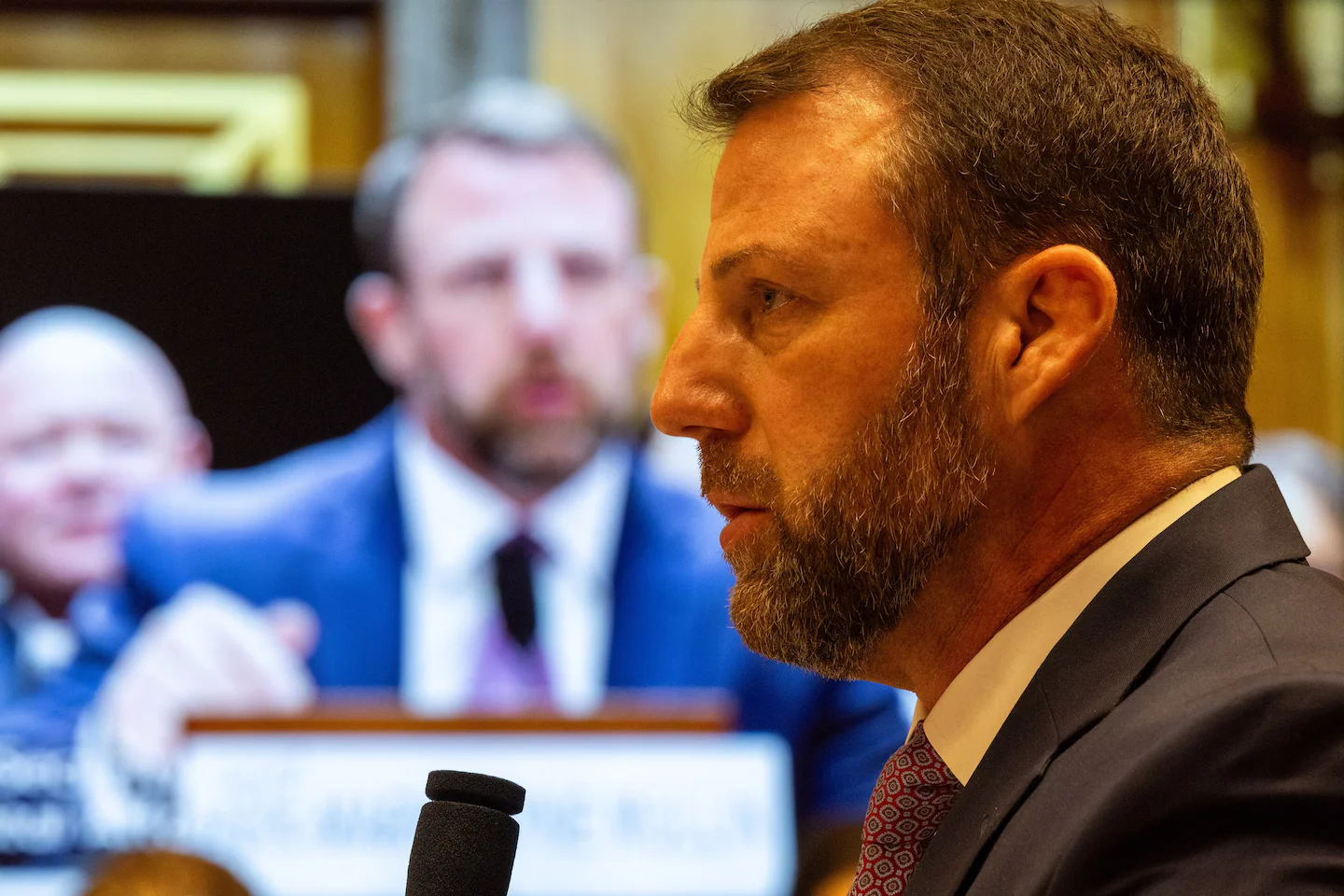
Sen. Markwayne Mullin, President Trump’s pick to head the Department of Homeland Security, faced a tense confirmation hearing where Sen. Rand Paul pressed him on past remarks about Paul and on undisclosed, reportedly classified overseas travel, potentially delaying the panel’s vote amid a DHS funding stalemate and a partial government shutdown.
Sen. Markwayne Mullin’s bid to lead the Department of Homeland Security faces scrutiny after he reportedly called Sen. Rand Paul a “freaking snake” in reference to Paul’s past assault incident. Paul, who chairs the Senate Homeland Security and Governmental Affairs Committee, is set to oversee Mullin’s confirmation hearings, which are scheduled for March 18, as Mullin pursues the cabinet post after Trump fired Kristi Noem.
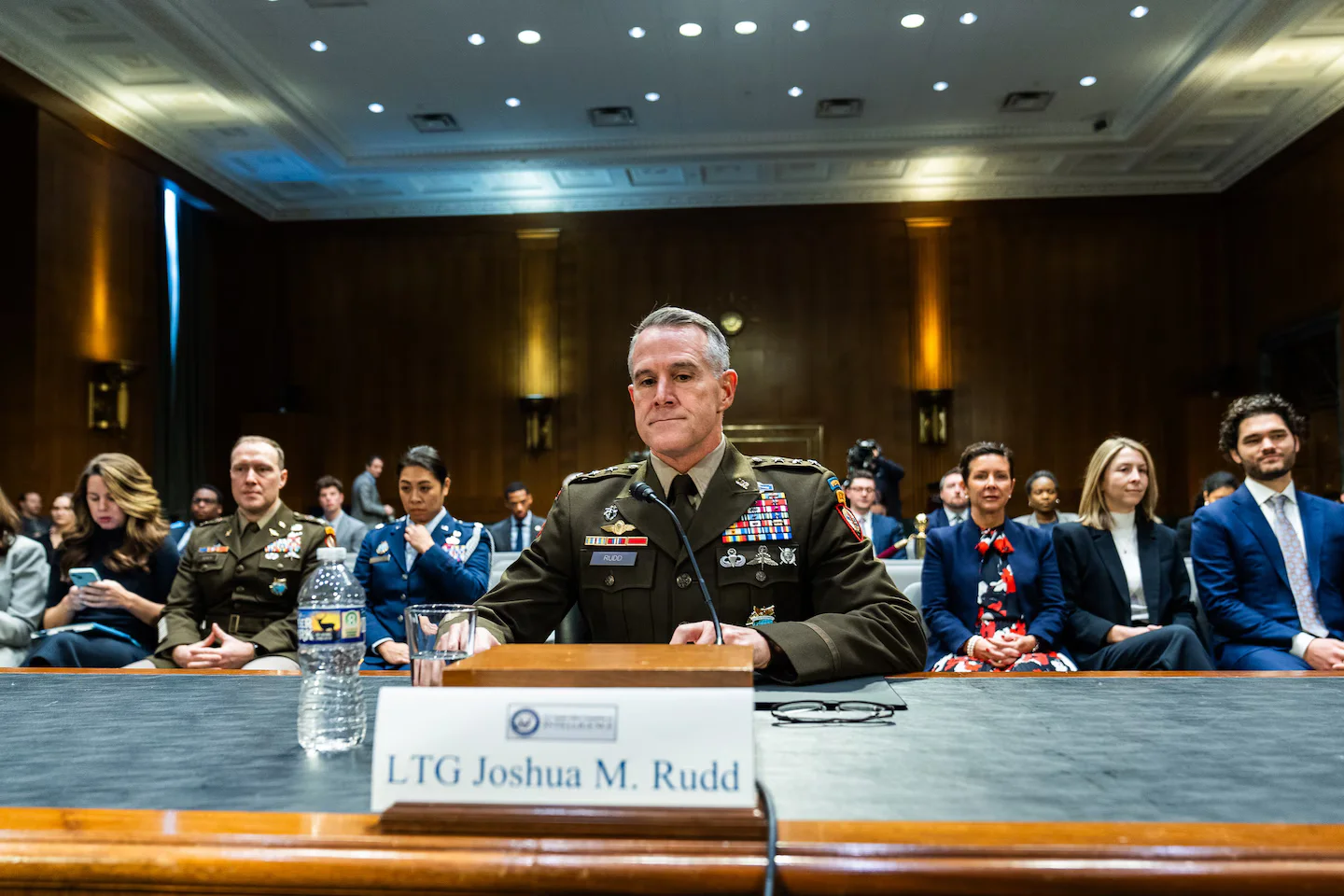
Gen. Joshua M. Rudd was confirmed as the head of the NSA and U.S. Cyber Command, ending nearly a year of leadership limbo and placing a career Special Operations commander in charge of the nation’s largest spy agency and its offensive cyber arm.
Sen. Ron Wyden is moving to block Lt. Gen. Joshua Rudd’s confirmation to lead the NSA, arguing the Trump pick is not qualified and lacks adequate safeguards on constitutional civil liberties.
Trump’s surgeon general nominee Casey Means has not secured enough votes on the Senate Health Committee after a tough, vaccine-focused hearing, with undecided Republicans Susan Collins and Lisa Murkowski still leaning unclear. With the committee split 12-11, Means will likely need both Collins and Murkowski (and potentially other GOP votes) to move forward, signaling a narrow path to confirmation following past nomination fights.
The Senate Judiciary Committee has begun the confirmation process for President Trump's judicial nominees, including Whitney Hermandorfer for the Sixth Circuit Court of Appeals, amidst partisan debates over the influence of the American Bar Association and concerns about nominee experience and qualifications.
Pete Hegseth, Donald Trump's nominee for Defense Secretary, has softened his previous stances against women in combat and gays in the military amid his confirmation process. This shift follows meetings with moderate Republican senators and comes as Hegseth faces allegations of misconduct. His evolving rhetoric aims to address concerns about his leadership potentially disrupting a diverse military. Despite this, some senators remain skeptical of his true positions, while others see his moderation as a typical part of the confirmation process.
Tulsi Gabbard, nominated by President-elect Donald Trump to lead the US intelligence community, is anticipated to face rigorous questioning during her confirmation hearings. Concerns are expected to focus on her past meeting with Syrian President Bashar al-Assad and her comments perceived as sympathetic to Russia. Gabbard, a former Democratic representative from Hawaii who switched parties, is known for her loyalty to Trump.
During her Supreme Court confirmation hearings, nominee Ketanji Brown Jackson delved into the definition of "officer of the United States," a term critical to the separation of powers. The discussion centered on the scope of executive authority and the potential impact on the judiciary, with senators and Jackson exploring the nuances of the term in the context of her judicial philosophy.