Apple's M6 debuts in the Mac mini as a 12-core, 2-nanometer base chip that combines two 'super' cores, four 'performance' cores and six 'efficient' cores, bringing features once exclusive to higher-end M5 Pro/Max chips to a base Apple Silicon chip.
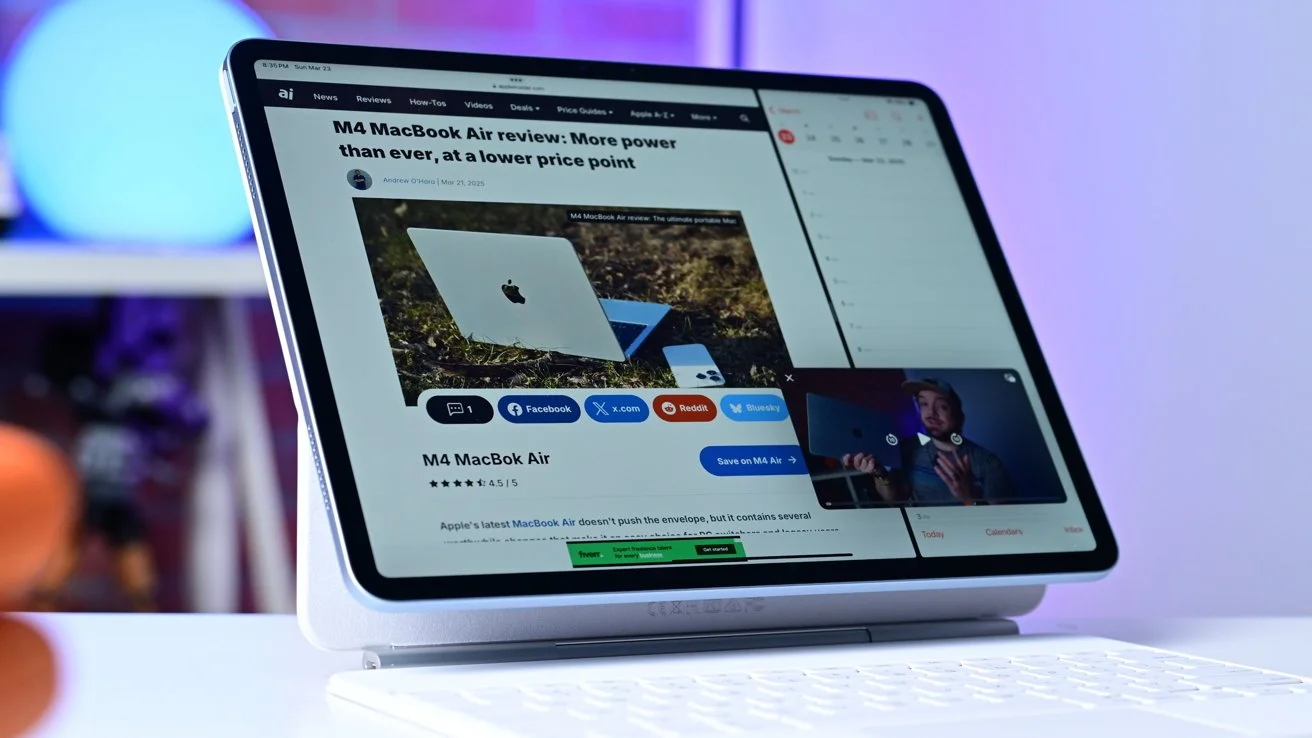
Apple's iPad Air uses an M4 chip that is not the same as the iPad Pro's M4, with eight CPU cores (three performance, five efficiency) and nine GPU cores — fewer than the Pro's variants that use nine or ten CPU cores and ten GPU cores depending on storage. The Air also has 12GB unified memory, placing it between Pro RAM tiers. In short, the Air's M4 is a downgraded variant produced by chip binning, so it won't match Pro (or M5) speeds in multi-core and Metal tasks, though single-core performance should be similar.
According to a leaker on Weibo, MediaTek's upcoming Dimensity 9400 application processor (AP) will feature eight CPU cores, surpassing Qualcomm's Snapdragon 8 Gen 4 in performance. The chip is expected to be manufactured using TSMC's 3nm process node and will not include low-power efficiency cores. The MediaTek chip is anticipated to have a significant price advantage over Qualcomm's AP, potentially attracting Chinese phone manufacturers. However, the release of the Dimensity 9400 is still far off, as the recently announced Dimensity 9300 SoC has just hit the market.
Qualcomm is rumored to release the Snapdragon 8 Gen 4 SoC in October 2025, featuring Qualcomm's custom Oryon CPU cores. Unlike previous generations, this chipset will not include little CPU cores, which has raised concerns about potential overheating issues. The Snapdragon 8 Gen 4 will be used in the Galaxy S25 Ultra and other models in the Galaxy S25 line, and both TSMC and Samsung Foundry may dual source the Snapdragon 8 Gen 5 for Samsung's flagship phones in 2026.
The upcoming Snapdragon 8 Gen 4 mobile chipset from Qualcomm may not include little CPU cores, according to a leaker. Instead, it is rumored to feature two big and six medium CPU cores, potentially improving multi-core CPU performance. This move follows Qualcomm's trend of reducing the number of little cores in its flagship silicon. MediaTek has already taken this approach with its Dimensity 9300 processor, which offers power savings and performance improvements without little cores. The impact on battery life, temperatures, and long-term performance remains to be seen.
The upcoming Exynos 2400 chip, rumored to power the Galaxy S24 series, may have more powerful efficiency cores than previously believed. According to a new rumor, the Cortex-A520 efficiency cores in the Exynos 2400 chip will run at a higher frequency of 1.95GHz instead of 1.8GHz. The chip is also expected to feature a Xclipse 940 graphics chip with twice as many GPU cores as its predecessor, UFS 4.0 storage, and LPDDR5X RAM. Samsung is aiming to perfect its chip-making craft after relying on Qualcomm's chips for the previous generation, and the Exynos 2400 SoC shows promising potential.
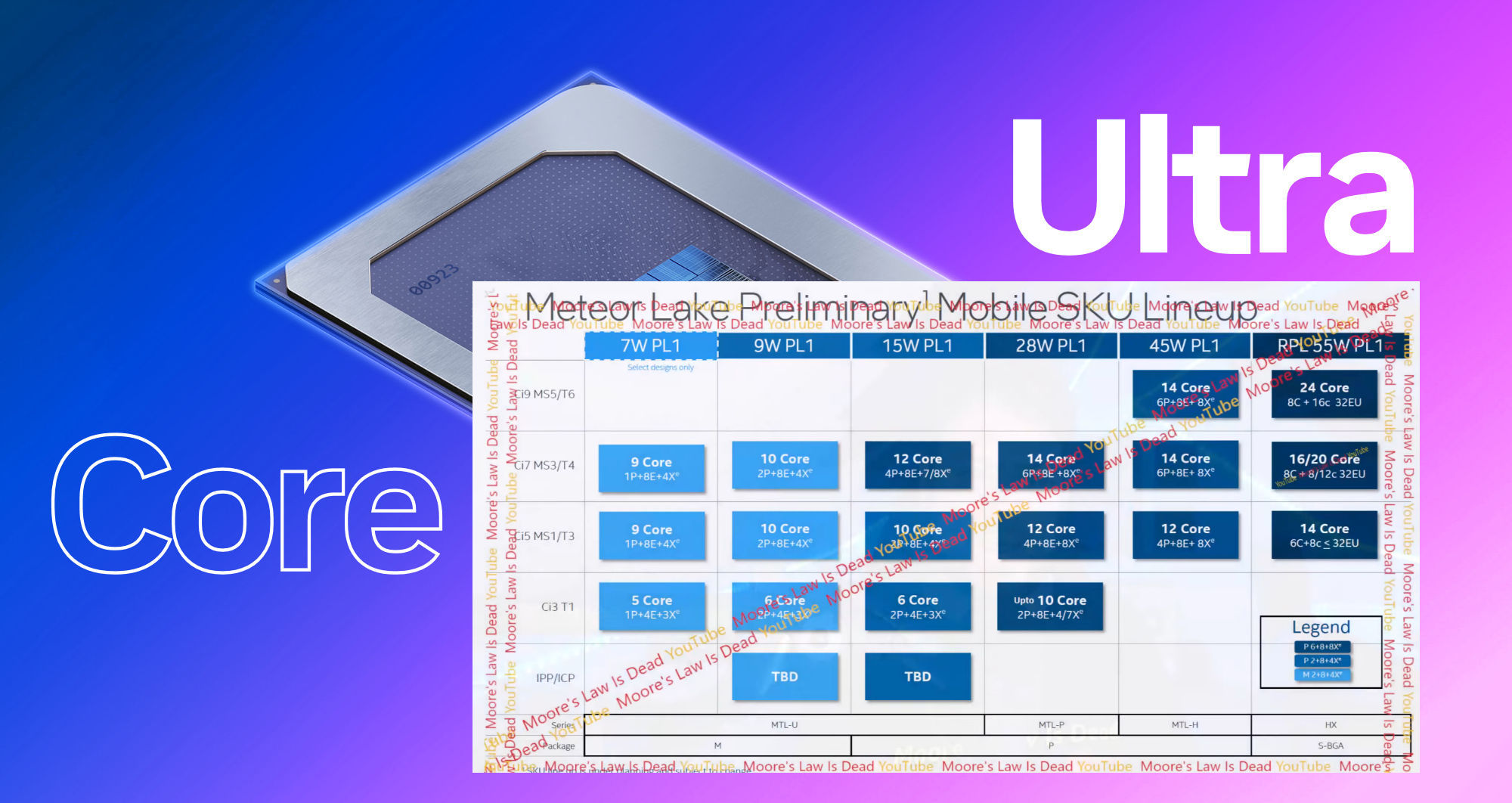
Leaked slides reveal that Intel's upcoming mobile platform, Meteor Lake, will feature CPU cores ranging from 5 to 14, with the higher-end SKUs retaining the current architecture. The GPU upgrade for Meteor Lake will include the cutting-edge Xe-LPG architecture, while the Raptor Lake Refresh will have a limitation of 32 units. The Xe-LPG architecture offers advancements in power and area optimizations, support for advanced DX12U graphics, and a 33% increase in graphics core capabilities. More details are expected to be unveiled at Intel's Innovation event in September.
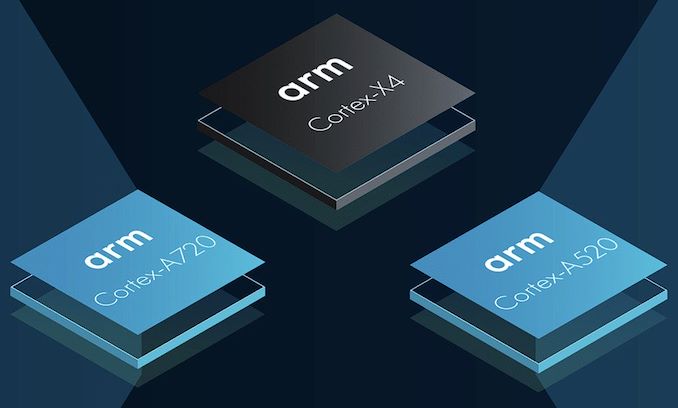
Arm has unveiled its latest set of CPU cores, including the flagship Cortex-X4, mid-core Cortex-A720, and little-core Cortex-A520, all designed to push efficiency and performance while moving entirely to the AArch64 64-bit instruction set. The latest CPU designs from Arm are also designed to align with the ongoing industry-wide drive towards improved security. Arm's latest DynamIQ Shared Unit, DSU-120, offers support for up to 14 CPU cores in a cluster, which opens the door to a significant number of different CPU core combinations. Cortex-X4 offers upwards of a 40% reduction in power consumption versus Cortex-X3, while Cortex-A720 and A520 save 20-22% over their respective predecessors.