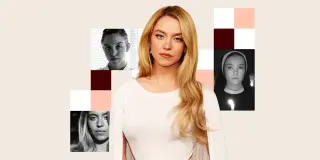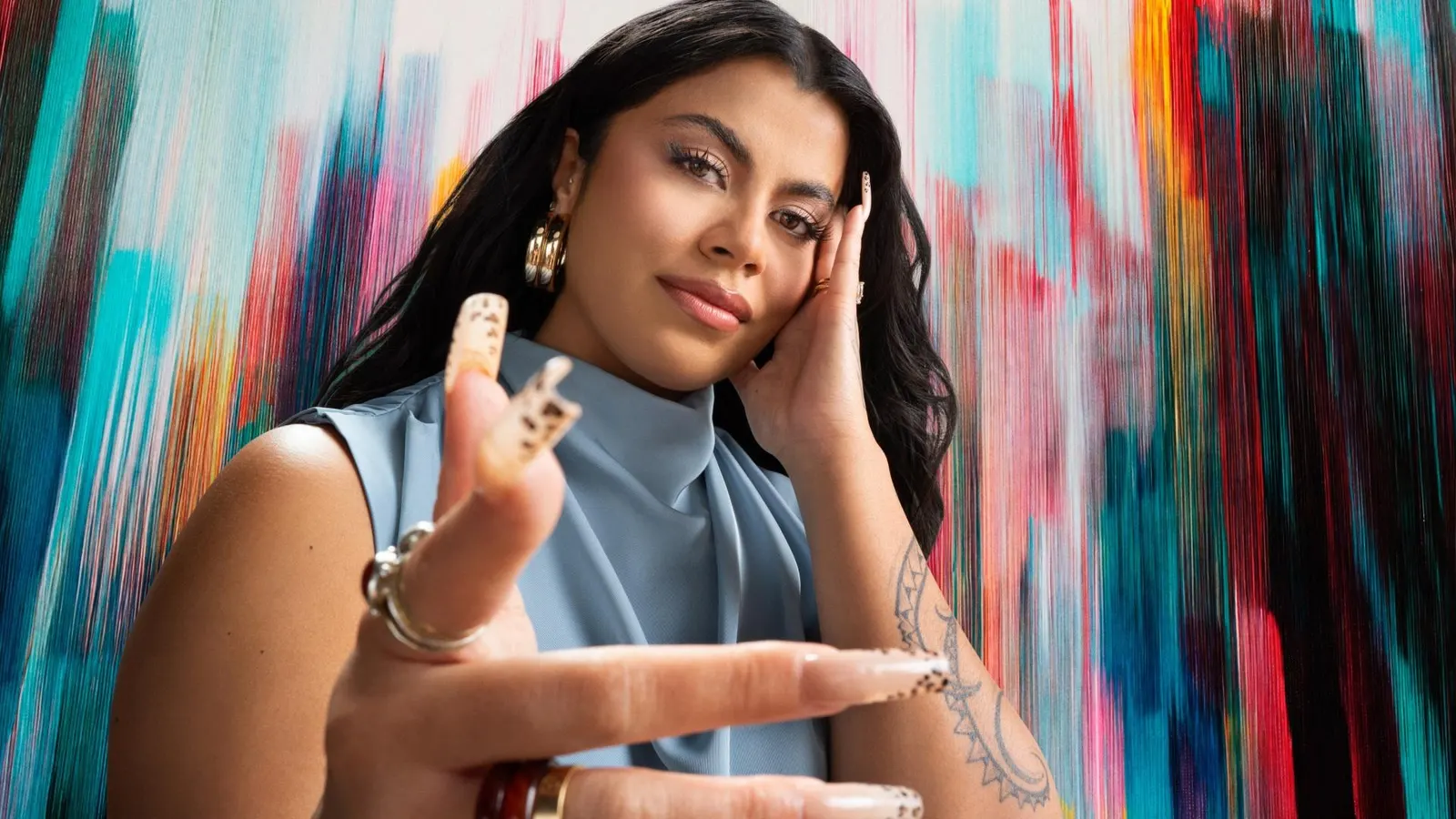
She markets herself as a blank canvas, enabling a varied acting portfolio and frequent brand deals across fashion and beauty, while avoiding firm political stances to stay bankable in the creator economy.
X will overhaul its creator-revenue sharing to reward original content and reduce payouts for aggregation accounts, cutting aggregation payouts 40% in the current cycle with a planned 20% further cut. The change aims to curb manipulation and boost new author growth, acknowledging reposts still have a role but promising deductions for posts that are reposts or sourced from third-party networks. Critics warn the move could hinder content spread, while supporters argue it encourages higher-quality, original posts.
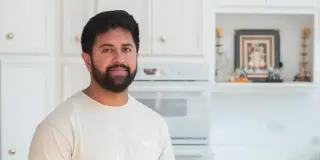
Jay, the creator behind Daadi Snacks’ TikTok account, has built a huge following by deadpan-roasting influencers—from tourists who don’t learn local customs to wishful-foodies demanding freebies—boosting his family’s snack brand even as some targets retaliate with blocks or cease-and-desist letters. His videos appear amid a growing creator economy that’s pushing for industry standards and transparency, with groups like Deinfluence and industry efforts in training and certification. Jay says he enjoys the work but hopes to pivot toward small-business reviews in time, continuing to shine a light on local businesses while holding influencers to account.
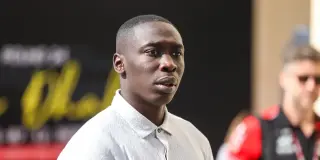
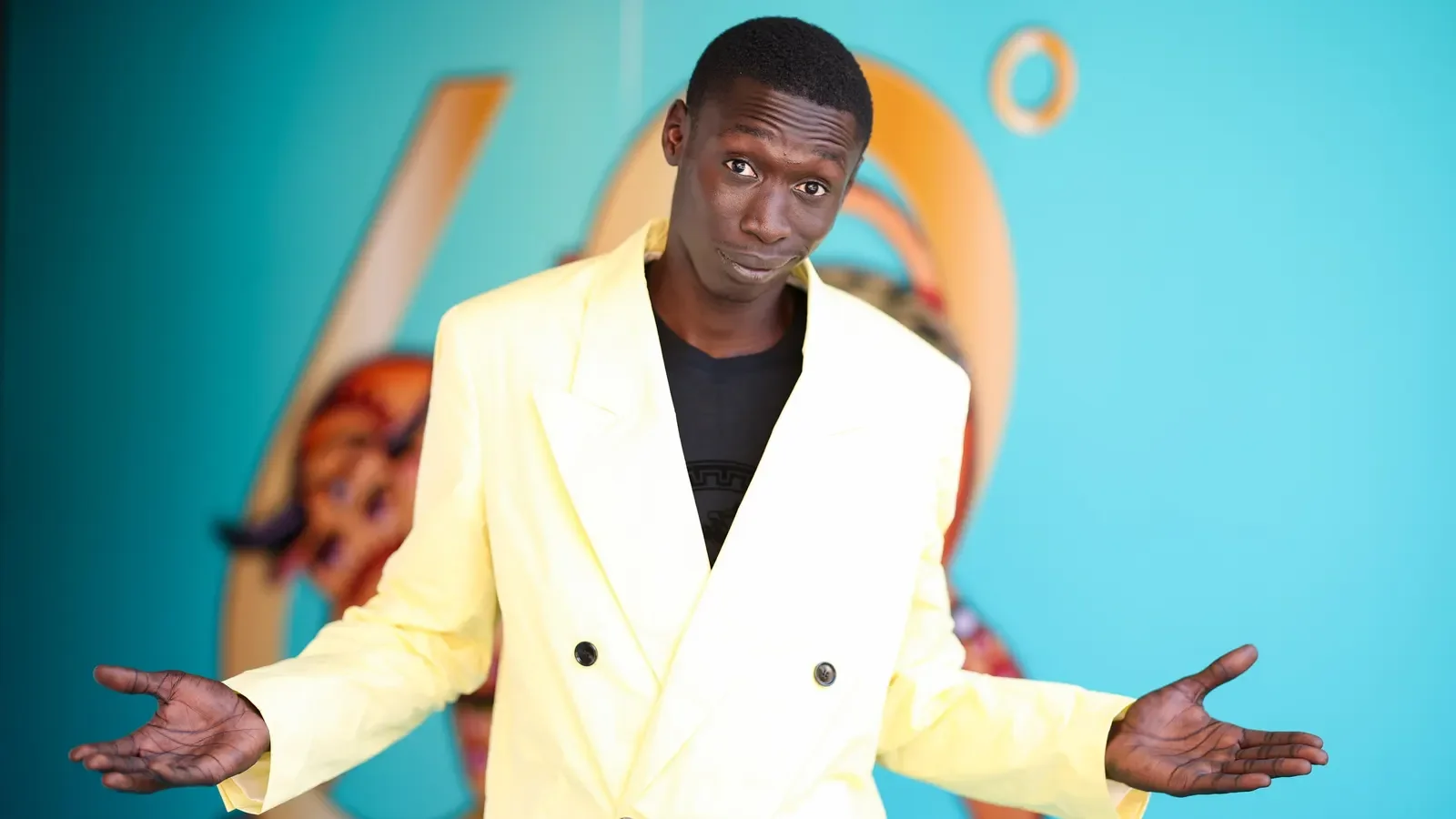
Khaby Lame’s proposed $975 million deal to merge with Rich Sparkle Holdings has hit a snag as several brokerages restrict trading in the linked stock (ANPA). Interactive Brokers lists it as non-tradable, with E-Trade, Fidelity, Schwab, and Vanguard blocking or limiting trading, while Robinhood and Webull remain open. The stock has plunged from January highs, and there’s been no formal filing confirming completion or the delivery of the promised 75 million shares; Rich Sparkle’s filings describe the deal as contingent on conditions, leaving the deal’s fate unclear.
Meta’s Creator Fast Track is pitched as a program to help creators rapidly grow their Facebook audiences and monetize across Facebook and partner platforms, offering growth tools, analytics, monetization options, and dedicated support to accelerate earnings and expand reach across Facebook, Instagram, TikTok, and YouTube.
Dhar Mann has been named the NFL’s Chief Kindness Officer as the league launches a multi-platform creator blitz for Super Bowl 60, with more than 160 creators filming content across social channels. Mann will lead kindness and sportsmanship activations, including a Be Kind to Your Rival campaign that will donate to St. Jude for qualifying posts, while other creators such as Robert Irwin, Max Klymenko, and Nicky Campbell join events like the YouTube Flag Football Game to engage younger fans ahead of next year’s big game.
Khaby Lame has sold his company in a $975 million deal, marking a landmark exit for a creator-led media brand as it joins a larger corporate portfolio; terms beyond the price and leadership details were not disclosed.
A Reuters Institute report argues that 2026 will be defined by AI disruption and a surge in creator-led news: trust and traffic in traditional outlets are pressured, while audiences favor personalities and human storytelling. Publishers will focus on distinctive, on-the-ground reporting, more video and audio, and direct audience relationships, aided by AI in newsgathering and distribution and by licensing deals with platforms. Traffic from search and social referrals is expected to fall, while revenue growth comes from subscriptions, events, and creator partnerships. The rise of the creator economy and vertical video will reshape consumption, prompting calls for new licensing models and industry coordination to preserve quality journalism.
The article discusses how digital media companies are turning to creator-focused subscription platforms like Substack and Patreon to find sustainable audiences, amid a landscape where traditional news and search referral traffic are declining due to AI and changing consumer habits, highlighting a shift towards authenticity and parasocial relationships in media.
Facebook has revamped its monetization policy to pay creators based on post performance, leading many influencers to treat the platform as a major income source, with some earning six figures monthly, especially through short videos and engaging content.
Forbes' 30 Under 30 Social Media 2025 list highlights young innovators transforming the digital landscape through content creation, advocacy, and research. Notable figures include Drew Afualo, a TikToker advocating for women's empowerment, and Carlos Espina, who supports immigrants through his nonprofit. The list also features creators like Joel Bervell, who educates on racial disparities in medicine, and Kahlil Greene, who shares overlooked histories. These changemakers are influencing laws, promoting inclusivity, and developing tools to improve our relationship with social media.
The world's first AI beauty pageant, Fanvue Miss AI, has been announced, with AI-generated women competing for a share of a $20,000 prize pool. Contestants will be judged on beauty, social media clout, and their creators' use of AI tools, with the panel including both AI and human judges. The competition will assess contestants' skill and implementation of AI tools, social media engagement, and revenue generation. The winner will receive $5,000 in cash and a creator mentorship program, reflecting the growing trend of AI creators monetizing their content and engaging with fans.
TikTok is reportedly developing AI avatars to create sponsored content and promote items on its platform, potentially competing with human influencers. The avatars would read scripts from advertisers or sellers on TikTok Shop, but the feature is not live yet and may still undergo changes. The platform will need to navigate how to share sponsorship dollars between virtual influencers and human creators without antagonizing its user base, especially after asking them to call on Congress not to ban TikTok.
Dude Perfect, the popular content creator group known for their trick shots and comedy videos, has secured a significant investment ranging from $100 million to $300 million from Highmount Capital, a private investment firm. The capital will be used to expand the management team and further grow the brand's reach. With the "creator economy" now valued at $250 billion and projected to reach $480 billion by 2027, the investment reflects the increasing value and potential of online content creators.
Bryce Adams, one of the top earners on OnlyFans, runs a highly successful business empire on the platform, earning millions of dollars annually. Adams and her team operate with a professional approach, treating their work as a machine-like operation. They utilize various social media platforms to promote their content and engage with subscribers. While OnlyFans is often associated with explicit content, it has become a significant player in the creator economy, allowing influencers to monetize their content and gain financial independence. However, the platform also raises questions about the commodification of intimacy and the potential risks and challenges faced by creators.