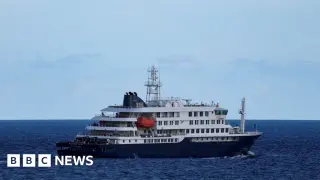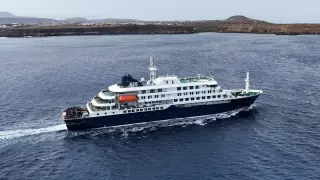
A Spanish citizen evacuated from a hantavirus-hit cruise ship has tested positive for hantavirus; health authorities are investigating exposures and monitoring other passengers as the case is managed.
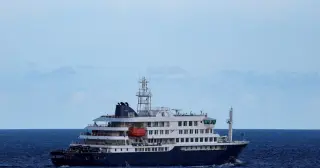
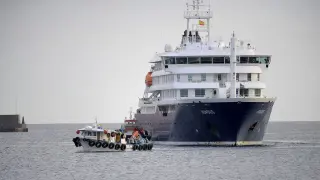
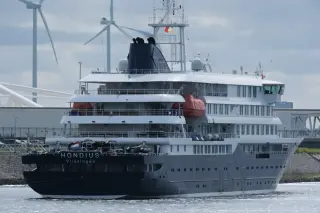
The MV Hondius, tied to a deadly hantavirus outbreak, arrived in the Port of Rotterdam and is undergoing enhanced cleaning and waste‑decontamination, with crew in protective gear assisting as health officials monitor disembarkation.
A Spanish national evacuated from the hantavirus-outbreak cruise MV Hondius tested positive for hantavirus in Madrid, becoming the second Spaniard from the ship to be diagnosed. Authorities are tracing passengers and crew as the incubation period can reach up to six weeks, with many passengers having disembarked earlier in the Canary Islands, Saint Helena, and the Netherlands.
A South African group led by the National Institute for Communicable Diseases identified hantavirus as the cause of illnesses aboard the Dutch cruise ship MV Hondius within 24 hours, after rapidly ruling out Legionella, bird flu and influenza, with international help from hantavirus experts via the WHO.
Public Health Alerts confirms 10 of 11 Andes hantavirus infections aboard the MV Hondius, with 3 deaths and 2 more hospitalized; one additional Canadian patient remains presumed positive and not fully detailed. The outbreak's primary source is under active investigation, with exposure likely linked to South American rodents before departure. WHO and ECDC assess the global risk as low as investigations continue.
Oceanwide Expeditions’ CEO says available medical and epidemiological data strongly suggest the hantavirus outbreak aboard the MV Hondius was introduced before embarkation and did not originate on the ship. WHO confirms 11 related cases and 3 deaths; the ship is undergoing full cleaning and sanitization, with crew quarantines and a crew transition ahead of resuming service as investigations continue.
The Public Health Agency of Canada confirmed an Andes strain hantavirus infection in a Canadian traveler aboard the MV Hondius, with a traveling partner testing negative and no additional cases identified. In the U.S., a passenger in Nebraska remains in isolation with negative test results and is reportedly denied home quarantine. Separately, HHS withdrew the ACIP charter renewal due to an administrative error amid Secretary Kennedy's efforts to reshape the panel. The Presidential Advisory Council on Combating Antibiotic-Resistant Bacteria (PACCARB) will reconvene on June 16 to help inform the next five-year national action plan for antibiotic resistance.
American passengers exposed to Andes hantavirus aboard the MV Hondius say they were blindsided by a shift from home quarantine to a 42‑day stay at the federally run National Quarantine Unit in Nebraska after new cases emerged on travelers from other countries; public health officials say the risk to the public remains low, but the policy change has sparked frustration and questions about timing, with some passengers seeking to return home and CDC coordinating with states to implement the new approach.
Nebraska health officials have ordered the quarantine of two passengers linked to a hantavirus outbreak aboard a cruise ship, as authorities monitor potential exposure and enforce containment measures.
A Canadian passenger on the MV Hondius cruise tested positive for hantavirus, marking the first North American case linked to the voyage and the 10th overall from the ship’s outbreak. One of four Canadians who returned home received a presumptive positive and is undergoing further testing; the other three remain in isolation, with two elderly travelers hospitalized in Victoria. Officials say the overall risk to the Canadian public remains low, as hantavirus is typically rodent-borne, though the Andes strain has shown limited human-to-human transmission in early illness. Isolation rules are being reassessed and investigations continue.
A hantavirus outbreak aboard the cruise ship MV Hondius led to its arrival in Rotterdam for disinfection, with all passengers already disembarked. The ship carries 25 crew and 2 medical personnel; the outbreak has at least 11 cases (9 confirmed) and three deaths. Crew will be quarantined and tested weekly, while about two dozen people are already in quarantine in the Netherlands. Decontamination will take about three days, and the ship will undergo public health inspections before sailing again; officials say the public risk remains very low.
Canada's Public Health Agency confirmed one of four Canadians who returned home from the MV Hondius hantavirus outbreak has tested positive, a partner tested negative, and all four are in isolation in British Columbia; three ship-linked deaths have occurred, with the Canadian case being the 10th positive from the voyage, while officials say the overall population risk remains low and are coordinating with the WHO on the global investigation.
The MV Hondius, a cruise ship struck by hantavirus, arrived at the Port of Rotterdam for disinfection, ending a troubled voyage that prompted international health alerts.
An Andes hantavirus outbreak on the expedition cruise MV Hondius in the South Atlantic has killed at least three people and triggered international health investigations. Andes virus can spread between people in close contact, particularly in confined settings like cruise cabins, though hantaviruses are generally rodent-borne. There is no widely available vaccine for Americas hantaviruses. Authorities are monitoring passengers and scientists are studying transmission dynamics and prevention to prevent further cases while providing supportive care to the ill.
Despite a hantavirus outbreak on the Dutch-flagged MV Hondius off Cape Verde that left three people dead and several others ill, the cruise industry expects no impact on demand, with travelers continuing to book cruises and operators maintaining enhanced health protocols across ships like those tied to the Canary Islands and other incidents.