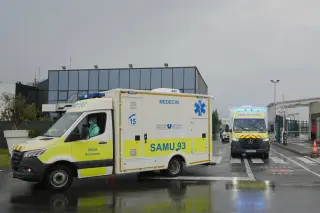
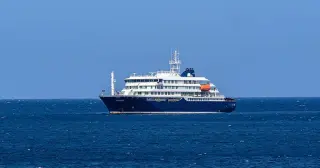
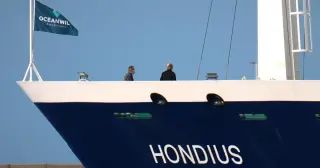
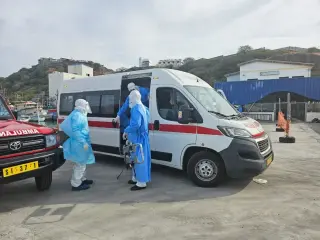
The World Health Organization declared the hantavirus outbreak linked to a cruise ship over after the last identified exposed person completed quarantine and tested negative. The outbreak, caused by the Andes virus, infected 13 people and killed three, and involved the MV Hondius which departed Argentina on April 1.
The CDC has ended its hantavirus outbreak response linked to the MV Hondius after a 42‑day monitoring period showed no US cases or sustained transmission; all 18 exposed passengers have returned home, rodent testing in Argentina was negative, and the exposure source remains under investigation, with the public risk considered extremely low.
Five of 18 quarantined Hondius passengers in Nebraska left a 42-day quarantine early after asymptomatic tests; others will complete the period at home with daily monitoring and law-enforcement surveillance. States are accepting returnees. Worldwide, 13 hantavirus cases linked to the ship (11 confirmed), all Andes strain; three deaths have occurred. No Americans are infected as of now; transmission is rare and mainly through rodent exposure, with limited person-to-person spread.
WHO reports 13 Andes virus hantavirus cases linked to the MV Hondius cruise ship, including 3 deaths, with cases in Canada, the Netherlands, and Spain; preliminary data suggest onboard human-to-human transmission, but global risk remains low. International contact tracing is ongoing, and high-risk contacts face a 42-day quarantine and monitoring as investigations continue.
A Douglas County adult died from hantavirus; state health officials say the case is not connected to the MV Hondius cruise-ship outbreak. The local case involves the Sin Nombre strain, a rodent-borne hantavirus, while the cruise-ship outbreak involves Andes virus, which can spread between people. Preliminary evidence points to local rodent exposure and the risk to the public remains low; dashboards from state and federal health agencies track hantavirus cases.
An Andes hantavirus outbreak on the expedition cruise MV Hondius in the South Atlantic has killed at least three people and triggered international health investigations. Andes virus can spread between people in close contact, particularly in confined settings like cruise cabins, though hantaviruses are generally rodent-borne. There is no widely available vaccine for Americas hantaviruses. Authorities are monitoring passengers and scientists are studying transmission dynamics and prevention to prevent further cases while providing supportive care to the ill.
France's Pasteur Institute fully sequenced the Andes virus from a passenger on the MV Hondius and found it matches known South American strains, with no evidence of features that would make it more transmissible or dangerous. The virus detected in ship patients was identical to each other and about 97% similar to South American samples, and Pasteur will share the data with the international scientific community to aid monitoring. The cruise outbreak now involves 11 cases, with three deaths, and health officials say exposure likely occurred during the South America visit.
France’s Pasteur Institute sequenced the Andes hantavirus from a passenger on the MV Hondius and found it matches known South American strains with no evidence of a more transmissible or dangerous variant; the ship outbreak has 10 cases (8 confirmed) and 3 deaths, with passengers evacuated and placed under ongoing health monitoring and quarantine.
Researchers at France's Pasteur Institute have sequenced the Andes virus genome, a milestone for hantavirus surveillance, as authorities monitor related cases such as suspected hantavirus infections on the MV Hondius cruise ship in France.
Health officials are tracing a deadly hantavirus outbreak tied to the Dutch-flagged MV Hondius cruise ship, with at least 10 confirmed or suspected cases and several deaths. The Andes virus—noted for possible person-to-person transmission—has triggered international investigations, evacuations and ongoing monitoring by the WHO, the CDC and national health authorities as passengers and crew return home and undergo isolation and testing.
Nevada health officials say there are currently no locally affected residents as federal authorities monitor an Andes virus hantavirus outbreak linked to a cruise ship; the CDC considers the state risk to be low. Hantaviruses can cause severe respiratory illness; Andes virus transmission between people is uncommon and typically requires prolonged close contact. Public guidance includes rodent-proofing homes, careful cleaning of droppings, and seeking medical care if symptoms develop after potential exposure.
Health experts say hantavirus is not airborne and mainly transmits via prolonged close contact, with the Andes strain showing limited person-to-person spread. Officials are isolating and monitoring exposed passengers from the MV Hondius outbreak, noting incubation can take 1–8 weeks and maintaining public‑health precautions.
A virtual Emergency scientific consultation on Andes Virus medical countermeasures (MCM) R&D is convened by WHO's R&D Blueprint and CORC (led by UKHSA) to review current evidence and set immediate priorities for coordinated research, including diagnostics, therapeutics, and vaccine development.
The CDC is monitoring 41 Americans for Andes hantavirus exposure tied to a cruise outbreak; there are no confirmed U.S. cases yet, with 18 passengers in quarantine and others monitored at home during a 42‑day incubation period, while officials say the public risk remains low. The Andes virus is a hantavirus that can spread between people and has a notable fatality rate; WHO has confirmed 11 cases among Hondius passengers, including 3 deaths.
U.S. passengers tied to the hantavirus outbreak aboard the cruise ship M/V Hondius are in a strict 42‑day quarantine as the CDC monitors 41 people in the United States, including 18 repatriated passengers in Nebraska and Georgia and seven who had already returned home. Additional “flight contacts” are being watched, though numbers aren’t released. While there are no confirmed U.S. cases, at least 11 infections linked to the ship and three fatalities have been reported, with the Andes virus capable of person-to-person spread. Personal stories, like Jake Rosmarin’s emotional toll of missing events and Dr. Stephen Kornfeld’s negative tests followed by relocation to quarantine, illustrate the impact of the containment effort.