Tag

Curriculum

All articles tagged with #curriculum

Texas to Add Bible Passages to Public School Reading Curriculum
education13 days ago

Texas to Add Bible Passages to Public School Reading Curriculum

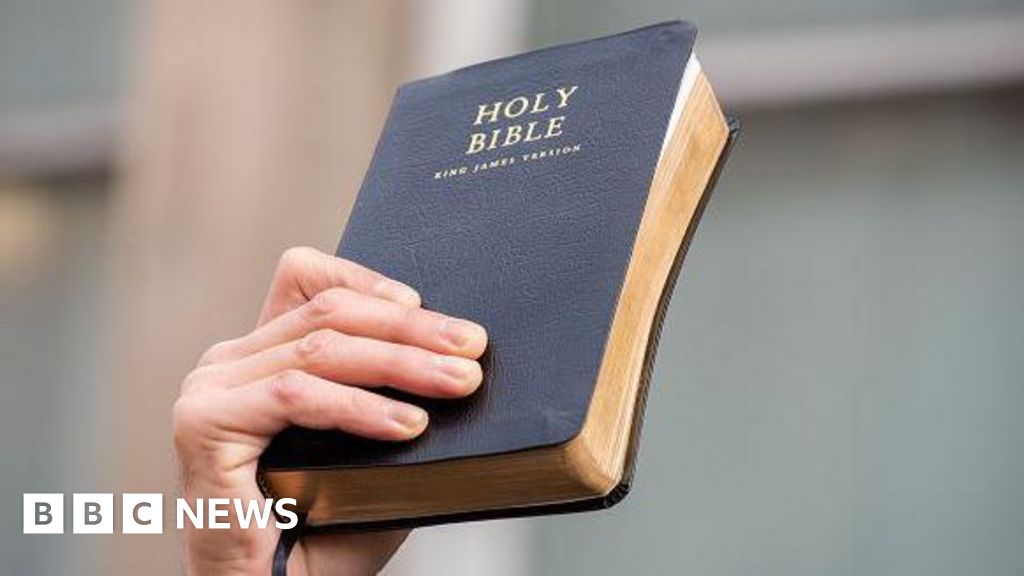
Texas' State Board of Education approved new social studies standards by a 9-5 vote to require Bible passages in public school reading for elementary and middle grades, phased in from 2030-31. Supporters say it acknowledges the Bible’s historical influence on American culture, while opponents warn it risks crossing the line into religious instruction and could marginalize other faiths. The move is part of broader GOP efforts to expand Christianity in schools and raises questions about teaching religion in a secular context and how teachers will implement it for diverse students.

Texas Curriculum Adds Bible Passages to Reading and Narrows History Focus
education13 days ago

Texas Curriculum Adds Bible Passages to Reading and Narrows History Focus

Texas’s State Board of Education approved TEKS updates that will require Bible passages to be read as part of the literacy standards (including Psalm 23 and the Prodigal Son) and rewrites to K–8 social studies that emphasize U.S. and Texas history, with rollout slated for the 2030–31 school year. The move prompted extensive testimony and debate over religious bias and the place of Islam in the curriculum, with critics warning it privileges Christianity and may blur the line between religion and education, while supporters say it reflects American cultural foundations. Some high school standards were delayed for revision in September.

Texas to require Bible readings in public schools by 2030, sparking debate
education14 days ago

Texas to require Bible readings in public schools by 2030, sparking debate

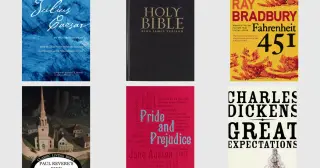
Texas’ State Board of Education approved a plan to make Bible stories mandatory reading for all public school students by 2030, adding biblical passages alongside literature by Dickens and Shakespeare; supporters say it anchors students in Judeo-Christian heritage, while critics warn it infringes on religious freedom, risks marginalizing other faiths, and could limit teacher autonomy in classrooms.

Texas to make Bible excerpts mandatory reading across grades starting 2030
education14 days ago

Texas to make Bible excerpts mandatory reading across grades starting 2030

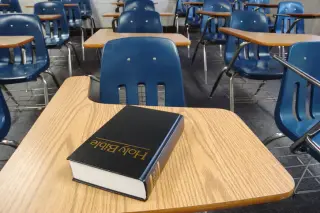
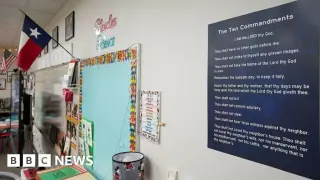
Texas’ State Board of Education approved a broader statewide reading list that will require Bible passages as mandatory reading for millions of public school students, with the rollout starting in elementary grades in 2030. Excerpts from books such as Jonah, Psalms, Lamentations, and Genesis will be added at various levels, expanding on a 2023 law that requires multiple texts per grade. Teachers can still assign other works beyond the list. The plan drew opposition over church-state separation and concerns of bias toward older, white-male authors, while supporters argue Judeo-Christian traditions were foundational to the country. It follows last year’s move to display the Ten Commandments in classrooms and highlights Texas’ growing influence on national education policy.

Texas moves to require Bible stories in public schools, triggering debate
education15 days ago

Texas moves to require Bible stories in public schools, triggering debate

Texas is poised to require more than 5 million public-school students to study Biblical stories and verses as part of K–12, including second‑grade ROAR! – Daniel and the Lion’s Den and Psalms for older grades, while also rewriting social studies standards to emphasize Texas and U.S. history and deemphasize world history; the changes would take effect in 2030. Supporters call it essential literary and historical education, but opponents warn it could privilege Christianity, violate church‑state separation, and constrain parental influence on religious education, with potential impacts on testing and non-Christian students.

Texas Colleges Under State-Driven Curriculum Scrutiny
education3 months ago

Texas Colleges Under State-Driven Curriculum Scrutiny

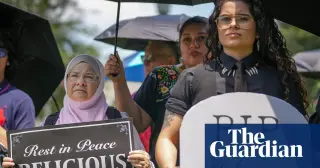
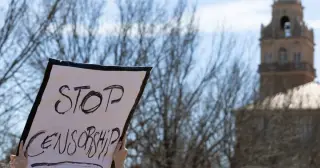
Public universities across Texas are reviewing course materials under a new law giving regents more control over teaching, prompting protests at Texas Tech and Texas A&M over censorship of works by gay authors and discussions of race and gender; other campuses like the University of Houston and UT systems are restructuring or reviewing DEI-related programs, fueling a debate over academic freedom, educational quality, and potential impacts on student learning and university recruitment.

UT System Tightens Classroom Topics, Sparking Academic-Freedom Fears
education4 months ago

UT System Tightens Classroom Topics, Sparking Academic-Freedom Fears

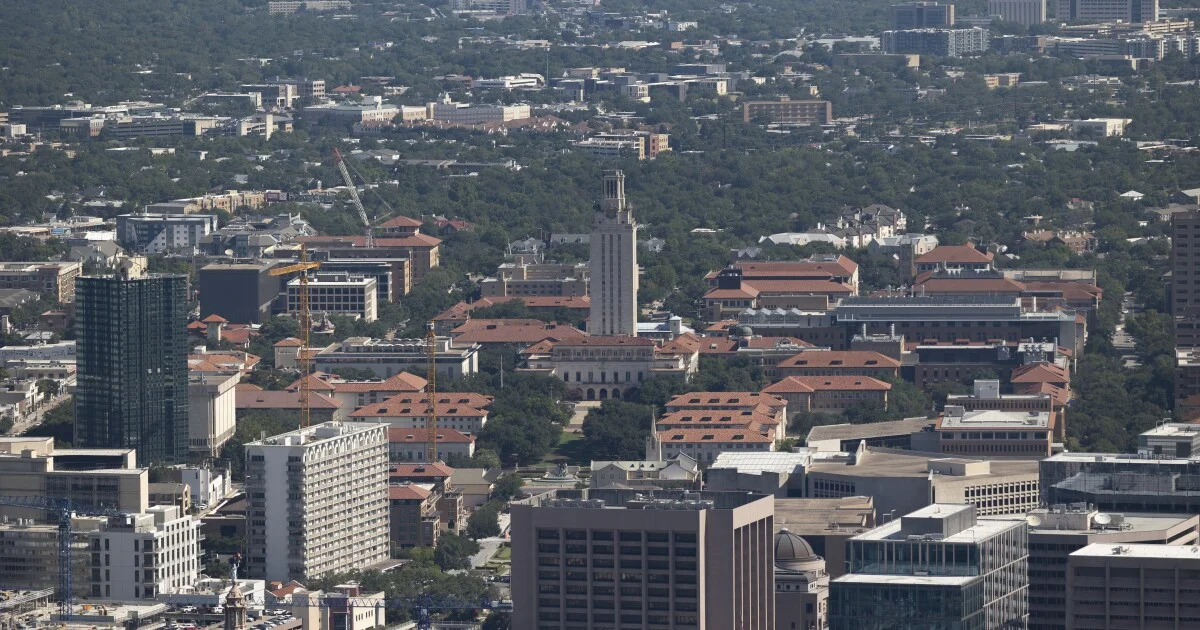
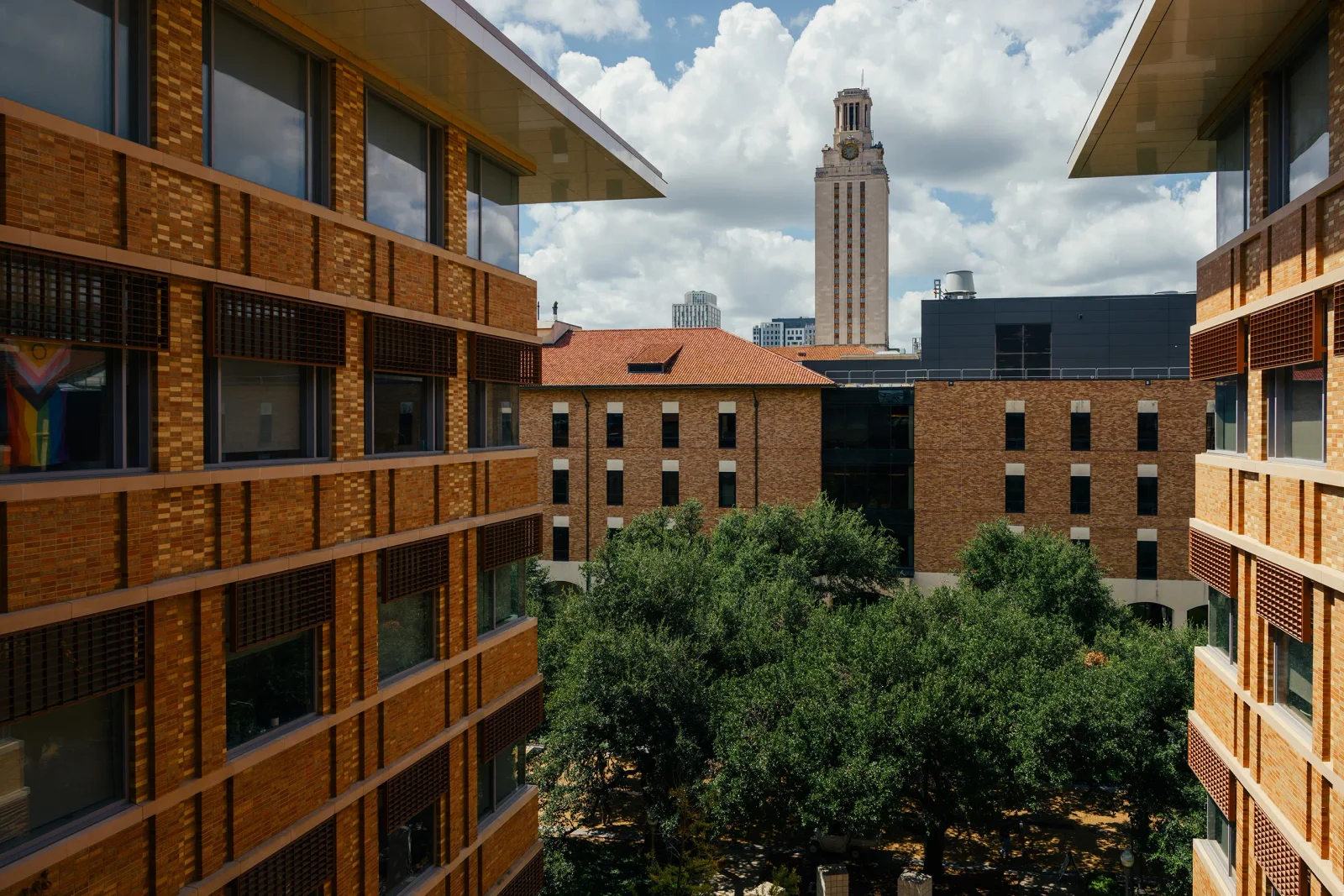
The University of Texas System Board of Regents approved a policy to curb 'controversial topics' in courses, requiring faculty to avoid coercion, not include unrelated controversial matters in syllabi, and to follow the syllabus while promoting balanced discussion and academic integrity. While officials say the goal is to foster trust and expose students to multiple viewpoints, critics warn it could curb responses to current events, hamper inquiry, and lead to censorship, with enforcement details still unclear across 14 UT institutions. The move follows broader Texas higher-ed restrictions on curricula related to race and gender, and comes as UT Austin consolidates several ethnic- and gender-studies departments.

UT System Sets Rules to Minimize 'Controversial' Topics in Courses
higher-education4 months ago

UT System Sets Rules to Minimize 'Controversial' Topics in Courses

UT System Regents unanimously approved a rule requiring universities to ensure graduates can finish programs without studying “unnecessary controversial subjects,” and to have syllabi disclose covered topics with a mandate for a broad, balanced discussion. Critics warn the vague terms could push self-censorship and leave students less prepared for real-world work, and civil-rights advocates warn of potential legal challenges and bias against Black students and faculty. The policy does not ban topics like race or gender but increases oversight amid broader campus reforms and state guidance under Senate Bill 37 and related changes.

Black Homeschoolers Fight Racist and Misleading Curricula
education11 months ago

Black Homeschoolers Fight Racist and Misleading Curricula

Black home schoolers are creating and advocating for more inclusive curricula to combat racist and Eurocentric materials, with increased homeschooling among Black families driven by concerns over public school biases and inadequate representation, especially regarding slavery and Black history. The lack of regulation in homeschooling allows for culturally affirming education but also risks exposure to extremist content. Black families see homeschooling as a way to ensure a more accurate and empowering education for their children, often supplementing or replacing traditional curricula with their own resources.

Texas Schools to Offer Optional Bible-Based Curriculum for K-5
education1 year ago

Texas Schools to Offer Optional Bible-Based Curriculum for K-5

The Texas State Board of Education has approved a Bible-infused curriculum for kindergarten through fifth grade, offering extra funding to schools that adopt it. The decision, passed by a narrow 8-7 vote, is part of a broader Republican effort to integrate Christian teachings into public education. Critics argue it violates the separation of church and state. The curriculum, which includes lessons from Genesis, Psalms, and the New Testament, will be available from August 2025, with schools receiving $40 per student for adopting it. Similar initiatives are underway in other Republican-led states.

Texas Schools to Offer Optional Bible Curriculum for K-5
education1 year ago

Texas Schools to Offer Optional Bible Curriculum for K-5

The Texas school board has approved an optional K-5 curriculum that incorporates Bible stories, sparking controversy over religious freedom and the separation of church and state. The curriculum, developed by the Texas Education Agency, is criticized for favoring Christianity and potentially violating the First Amendment. While not mandatory, schools adopting it can receive financial incentives. Critics argue that religious education should be the responsibility of parents, not public schools, and that the curriculum's focus on Christianity excludes other faiths.

Texas Approves Optional Bible Curriculum for Elementary Schools
education1 year ago

Texas Approves Optional Bible Curriculum for Elementary Schools

The Texas State Board of Education has approved an optional Bible-infused curriculum for elementary schools, offering additional funding to those that adopt it. This move aligns with efforts in other Republican-led states to integrate religion into public education. While supporters argue that the Bible is integral to American history and culture, critics warn it may alienate students of other faiths and potentially violate the First Amendment. The curriculum, which emphasizes Christianity, could be implemented as early as next school year.

Texas Greenlights Bible-Based Curriculum for Elementary Schools
education1 year ago

Texas Greenlights Bible-Based Curriculum for Elementary Schools

The Texas State Board of Education has approved a new elementary curriculum, "Bluebonnet Learning," which includes numerous Biblical references, sparking controversy over its emphasis on Christianity. The board's narrow 8-7 vote reflects a division among its members, with critics arguing the curriculum privileges Christianity over other religions. While not mandatory, schools are incentivized to adopt it. The curriculum has faced scrutiny since its introduction, with concerns about its religious balance and accuracy, though supporters claim it offers a well-rounded education.

education1 year ago

Texas Nears Decision on Bible-Based Curriculum in Public Schools

Texas is set to vote on a proposal allowing Bible-infused lessons in public elementary schools, a move that could challenge the separation of church and state in education. The curriculum, which has sparked debate, would be optional but incentivized with additional funding. Critics argue it may alienate non-Christian students and violate the First Amendment, while supporters claim it enriches cultural literacy. This initiative follows similar efforts in other Republican-led states to integrate religious content into public education.