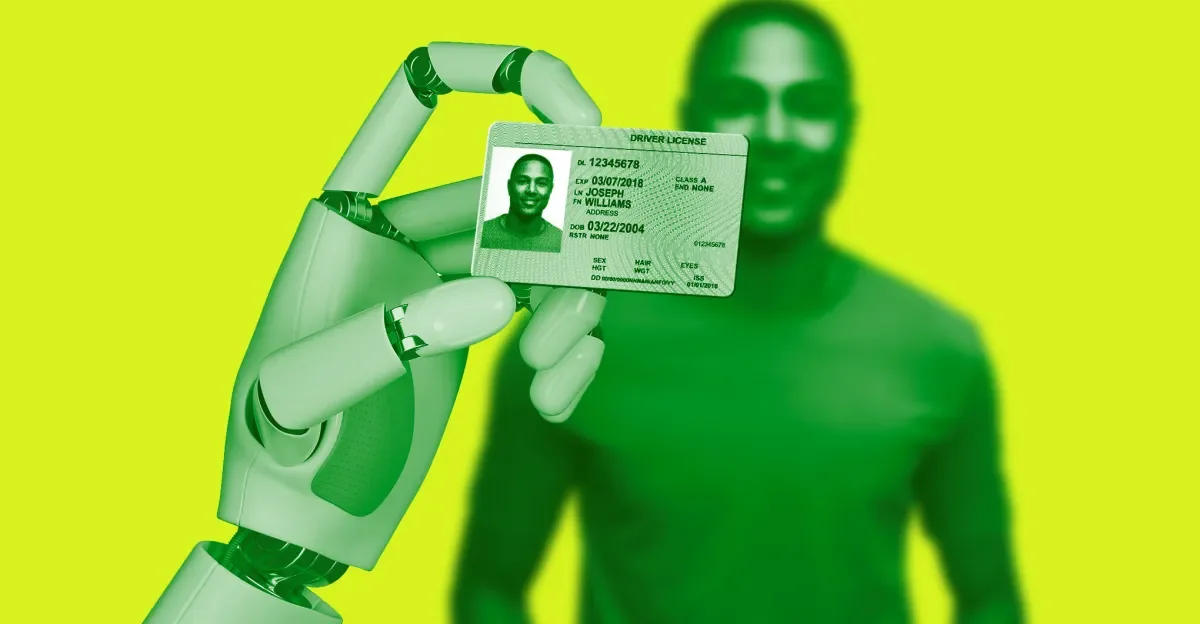
OMB directs agencies to adopt Login.gov as the default authentication and identity-verification method for most public-facing federal services within two years, with exemptions for certain systems and user groups; the policy aims to reduce duplicative identity checks, lower costs, and strengthen security, via a staged timeline, NIST guidance, and ongoing agency input.
Britain is considering a law to require online age verification, effectively banning under-16s from social media and forcing adults to show ID for many online services. Privacy advocates, including the Electronic Frontier Foundation (EFF), warn the plan would create a centralized data-tracking system and may be ineffective, noting teens can bypass it with fake IDs or VPNs and that it could restrict access to educational and community content online.
Security researchers bypassed the EU’s open-source age-verification wallet in under two minutes, exposing insecure PIN handling and a biometric bypass in the code, even after officials claimed the tool was 'technically ready' while the GitHub page warned it was a demo. Critics warn the rushed deployment could erode trust in digital identity wallets and privacy protections, especially since the €4 million project used zero-knowledge proof to verify age without exposing data.
The European Union unveiled a privacy-preserving age-verification tool to verify users’ ages for access to age-restricted online content, with seven member states planning to deploy by year-end. The system uses zero-knowledge proofs and allows three proof methods (passport, national ID, or a trusted attestation via QR code) and is optional for platforms but preferred to meet legal requirements. While officials say it protects kids, privacy advocates warn it could undermine anonymity and raise data-access concerns, urging stronger enforcement of existing rules instead of relying on the new technology.
Discord has pushed its global age-verification rollout to the second half of 2026 after backlash and confusion. The company says it will add more age-verification options (including credit-card-based checks), publish a list of verification vendors, and require on-device facial-age estimation with a strict on-device rule, while offering spoiler channels as an alternative to age-gated content. In regions with laws mandating verification (UK, Australia, soon Brazil), adults will verify via vendors like k-ID to access age-restricted content. Discord also plans to publish its age-estimation methodology, open-source its safety engine (Osprey), and note that Persona did not meet the on-device bar, prompting greater vendor transparency. The plan reportedly would affect about 10% of accounts, and Discord emphasizes it does not read users’ messages.
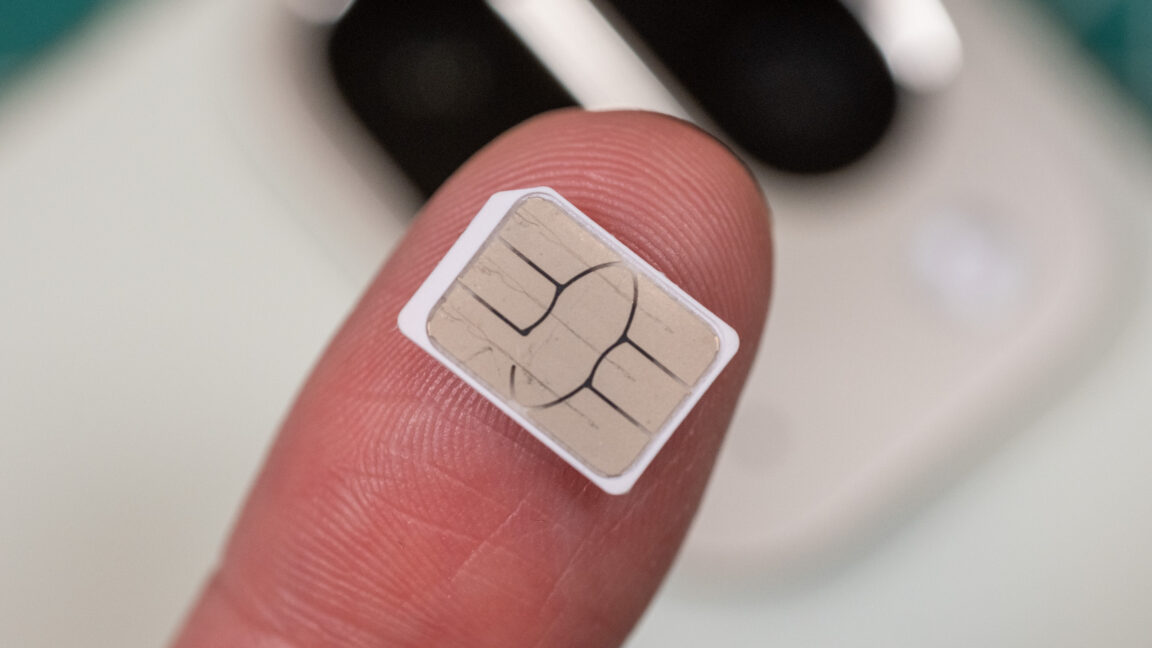
The article discusses the risks and drawbacks of switching to eSIM technology, highlighting concerns about losing access to phone numbers used for authentication and the potential security issues, contrasting it with the reliability of physical SIM cards, and suggesting alternative security measures like Google Fi's approach to mitigate these risks.
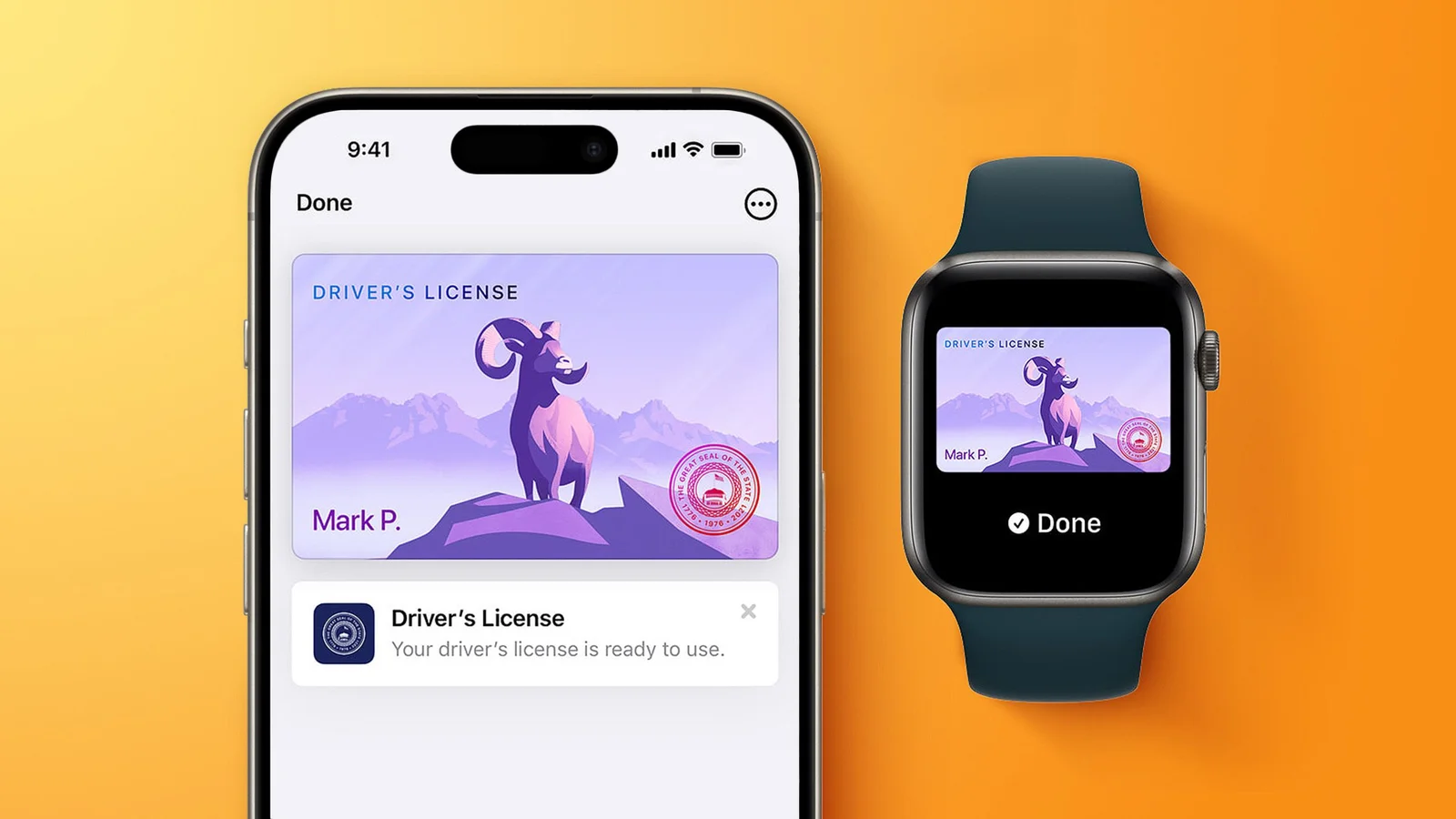
Apple has launched its driver's license feature in the Apple Wallet app in another U.S. state, allowing users to store and use their driver's license digitally on their iPhone.
Eightco Holdings Inc. announced a $250 million private placement and a $20 million strategic investment from BitMine to fund the adoption of Worldcoin (WLD) as its primary treasury reserve asset, aiming to create a universal digital identity platform using zero-knowledge proof technology, with notable support from institutional investors and strategic partners like BitMine and MOZAYYX.
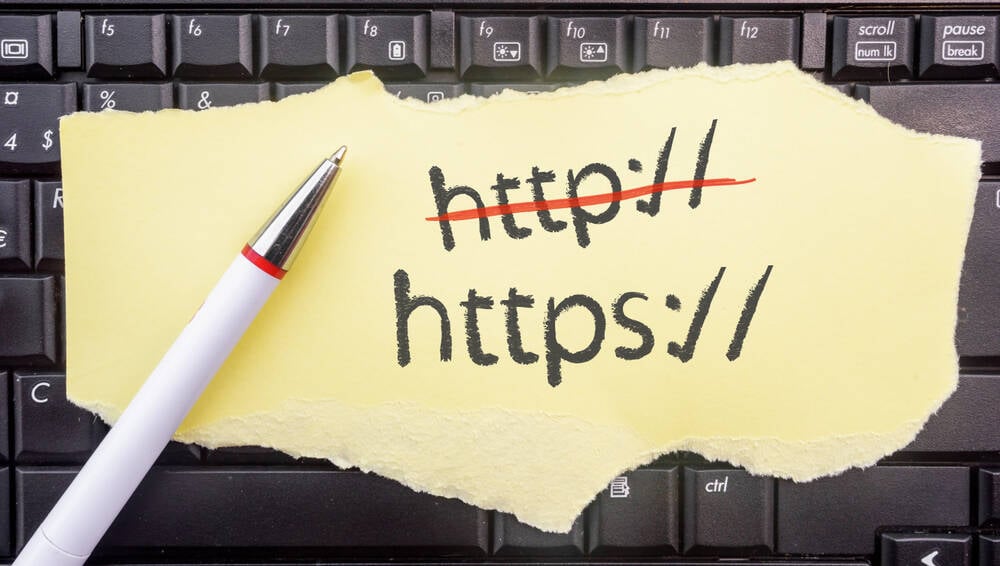
Lawmakers in Europe are expected to adopt eIDAS 2.0, a digital identity legislation that civil society groups argue will compromise internet security and expose citizens to online surveillance. The legislation requires browser makers to trust government-approved Certificate Authorities (CAs) and prohibits them from implementing additional security controls. This means that if a website is issued a certificate from a government-backed CA, the government can intercept and decrypt the encrypted HTTPS traffic between the website and its users, potentially allowing for surveillance. Mozilla, Google, and other organizations have raised concerns about the legislation and are urging EU lawmakers to revise it.
Jameeka Green Aaron, Chief Information Security Officer at Okta, discusses the company's focus on identity and the future of digital identity. Okta aims to enable secure logins and empower individuals to own their true digital identities. They are exploring innovative solutions such as passkeys and passphrases to move beyond traditional passwords. The vision is to create a seamless process where physical and digital identities align and are protected. Okta also emphasizes the importance of consumer control over personal information, allowing individuals to choose what data is shared in different contexts. Public-private partnerships will play a crucial role in achieving this unified and secure digital identity ecosystem.
Worldcoin, a project that aims to solve the problem of digital identity by scanning users' retinas and offering a form of universal basic income (UBI), has raised $115 million in venture capital. However, the project's lack of a clear tokenomic model and privacy risks have raised concerns. The company's representatives have been accused of using deceptive marketing practices and collecting more personal data than acknowledged, potentially violating GDPR and local laws. The project's reliance on an army of Orb Handlers to onboard customers means manipulations will inevitably continue, undermining Worldcoin's promise to solve digital identity.
The Biden administration has released a national standards strategy for critical and emerging technologies, including blockchain and digital identity infrastructure. The strategy prioritizes standards development in eight areas, including distributed ledger technologies and digital identity infrastructure, which could have implications for the crypto industry's KYC and AML compliance. The goal of the strategy is to protect U.S. consumers and the country's role in developing international standards, and it will encourage private-sector and academic participation in pre-standardization research.
GameStop posted a quarterly profit for the first time in two years, with net sales dropping slightly to $2.23 billion from $2.25 billion in last year's fourth quarter. The video game retailer also posted a profit of $48.2 million, compared to a loss of $147.5 million a year ago. The company has been working to steer itself back to profitability, with a leadership shake-up in 2021 that put CEO Matt Furlong and Chewy founder Ryan Cohen as board chair. GameStop has been trying to improve its cash balance and digital identity, with experiments in NFT marketplace and ecommerce marketing.