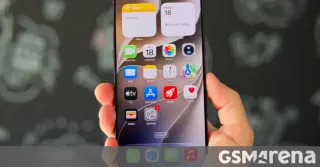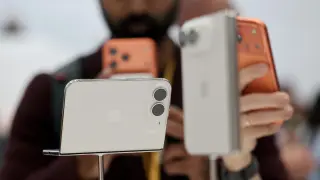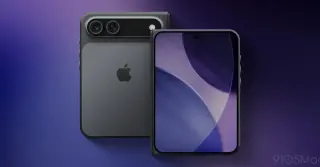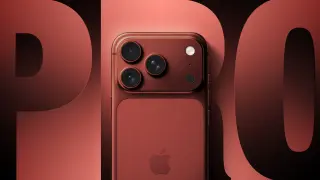
The iPhone Ultra, Apple’s rumored first foldable high-end iPhone, is said to launch over $2,000 but will reportedly drop key features including a telephoto camera, Action button/mute switch, Face ID, MagSafe, and a physical SIM, in favor of Touch ID in the side button and eSIM-only support.
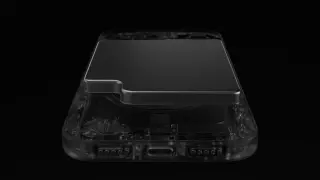
A leak and regulatory data point to the iPhone 18 Pro Max having a notably larger battery than the iPhone 17 Pro Max: about 5,391 mAh in China and 5,567 mAh for the U.S. (vs. 4,823 mAh and 5,088 mAh), implying roughly 10–12% gains, while the smaller iPhone 18 Pro would see smaller increases. Differences stem from non-U.S. models retaining a SIM tray, freeing space for a bigger cell in the eSIM-only U.S. version.
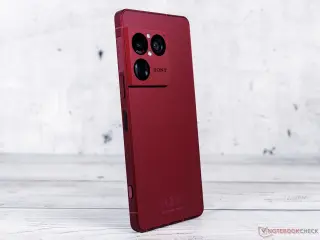
A Japanese outlet and the GSMA IMEI database show three Xperia 1 IX variants (XQ-H44 for Japan with eSIM, XQ-HH54 Europe, XQ-HH74 rest of the world) with model year 2027 codes, suggesting Sony is developing a successor to the Xperia 1 VIII. While Sony isn’t exiting smartphones, the looming DRAM shortage could mean higher prices when the 2027 flagship arrives.
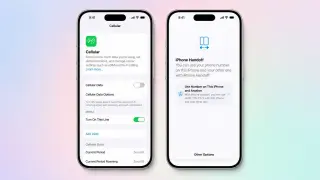
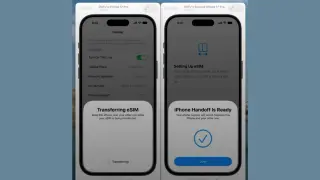
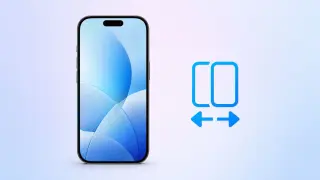
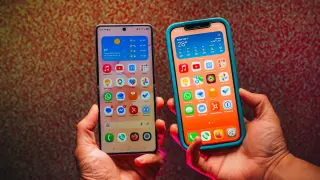
Samsung’s updated Smart Switch now works with iOS 26’s Transfer to Android, letting you wirelessly move iPhone data to a Galaxy (including text messages and apps) via a QR‑code setup and even migrate the SIM to an eSIM; the home screen layout is preserved, but occasional transfer hiccups remain and iMessage can still cause some messaging quirks as RCS improvements continue.
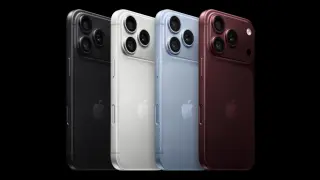
Apple’s iPhone 18 Pro Max is tipped to get its biggest battery boost yet, with US models reportedly packing a 5,567mAh cell (vs. 4,823–5,088mAh on the 17 Pro Max across regions) and Chinese variants around 4,056–4,288mAh. The jump is aided by Apple’s switch to an eSIM-only design in the US, freeing space for a larger pack, and is expected to pair with a next-gen A-series chip and more efficient displays to deliver noticeably longer endurance, narrowing the gap with Android flagships. Launch is anticipated later this year.
Motorola, in partnership with Gigs, launched the Global Connect eSIM app for Android, initially in Brazil, Mexico, Argentina, Peru, and Chile with plans to expand to Europe later this year. The app, often pre-installed on compatible Motorola devices, offers worldwide eSIM data plans, starting with 1GB of complimentary data usable in 160 countries, and supports instant activation and 5G connectivity.
Rumors from leaks suggest the iPhone 18 Pro Max will have different battery capacities by model: 5,425mAh for the eSIM version and 5,235mAh for the physical-SIM version, up from the iPhone 17 Pro Max’s figures. The report also mentions a vapor-chamber cooling system, a smaller Dynamic Island, a 48MP triple-camera setup, Samsung M16 LTPO+ OLED, and a new C2 modem enabling 5G mmWave and satellite features, plus four color options and a starting price around $1,399. All details are speculative and based on unconfirmed leaks.
Pixel users report Android 17 causes 5G connectivity to drop to LTE on multiple Pixel models (including the Pixel 9 Pro, 10 Pro, 8a, and 6a); some fixes involve placing the phone in Repair Mode and restarting, while Google works on a broader patch and other 17-related issues like missing widgets.
Google’s Pixel 10 series splits hardware by region: US models ditch the physical SIM slot in favor of eSIM to accommodate mmWave 5G components, while international versions retain a SIM tray because they don’t require mmWave. Google cites that about 70% of US Pixel owners already use eSIM, and the cleaner design without a SIM slot or mmWave antenna cutout also frees space for a larger battery or other features.
A MacRumors report cites a Weibo leaker, Digital Chat Station, claiming the iPhone 18 Pro will have regional battery differences: roughly 4,056 mAh for the China model (with SIM tray) and 4,288 mAh for the US model (eSIM-only), suggesting only a small year-over-year increase. Rumors also point to the iPhone 18 Pro Max potentially around 5,000 mAh (China) and 5,100–5,200 mAh (international), but these figures are unconfirmed and may come from regulatory databases or sample data. Even with modest gains, battery life could improve thanks to the A20 Pro chip built on a 2nm process and the new C2 modem. The phones are expected in September with features like a smaller Dynamic Island and an upgraded main camera with a variable aperture.
Leak says iPhone 18 Pro carries a 4,056 mAh battery in physical-SIM variants and 4,288 mAh in eSIM models, with Europe’s eSIM expansion meaning EU buyers will receive the larger cell for the first time; paired with Apple’s 2 nm A20 Pro chip, real-world battery gains could exceed the small capacity increase.
A known leaker claims Apple's first foldable iPhone, expected in 2026 alongside the iPhone 18 Pro/Max, will be eSIM-only and feature a dedicated Camera Control button to enable one-handed photography adjustments, even at the cost of internal space; it reportedly lacks a telephoto camera and uses a 7.8-inch inner display with a 5.5-inch outer display.
A new leak suggests Sony will globally unveil the Xperia 1 VIII in May, with eSIM support across variants and up to 1TB of storage while retaining microSD expansion, with Vietnam getting it in July.
Over the winter I tested a string of Android flagships—the Razr Ultra, Pixel 9 Pro Fold, Unihertz Titan 2, Fairphone Gen 6, and Pixel 10 Pro—finding Android’s OS and automation generally superior, but the App Store and app availability still pull me back to iOS; after another complicated eSIM switch, I bought an iPhone 17, concluding phones are 'app machines' and that the iPhone best serves my needs, despite nagging iOS quirks and robocalls.
The article discusses the risks and drawbacks of switching to eSIM technology, highlighting concerns about losing access to phone numbers used for authentication and the potential security issues, contrasting it with the reliability of physical SIM cards, and suggesting alternative security measures like Google Fi's approach to mitigate these risks.