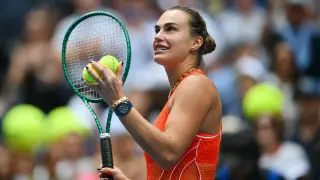
Aryna Sabalenka paused a US Open third-round match to tell the umpire that a strong marijuana odor was coming from the crowd, with reports suggesting nearby dispensaries were delivering to fans; she remained focused and won the match against Kamilla Rakhimova, highlighting weed-related disruption at the event.
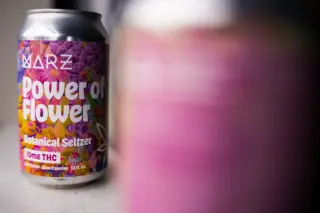
Hemp-derived THC beverages helped local Chicago breweries like Marz Community Brewing, Hopewell, and Revolution reach new customers as craft beer faced declines. Now, looming federal and state rules—including a December federal ban tightening THC limits and a November shift to selling intoxicating hemp products only in licensed dispensaries—threaten the market’s future. Enforcement timelines have been delayed, but producers say they will adapt and press for sensible regulations (mg caps, testing, taxes). The outcome remains uncertain, with some vendors forecasting a pause rather than an end to THC drinks.
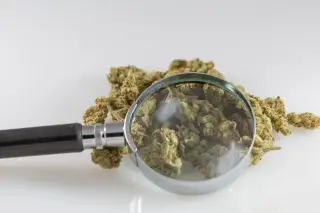
The DEA has begun on-site inspections of medical marijuana dispensaries that filed registration to receive federal protections under the Trump-era cannabis rescheduling move. In Mississippi, two operators were visited by 5–6 agents for about six hours each, with investigations focusing on a broad range of records and processes, from ownership and licensing to inventory, security, and patient intake procedures. The registrations aim to move medical cannabis from Schedule I to Schedule III, enabling tax deductions under 280E, and the DEA plans to roll out new forms for other state-licensed medical marijuana businesses. Tax guidance from the IRS and related regulatory updates (ATF gun form changes, CRS analysis) are also anticipated, as hearings on broader rescheduling approach proceed.
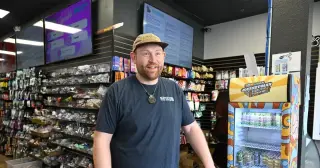
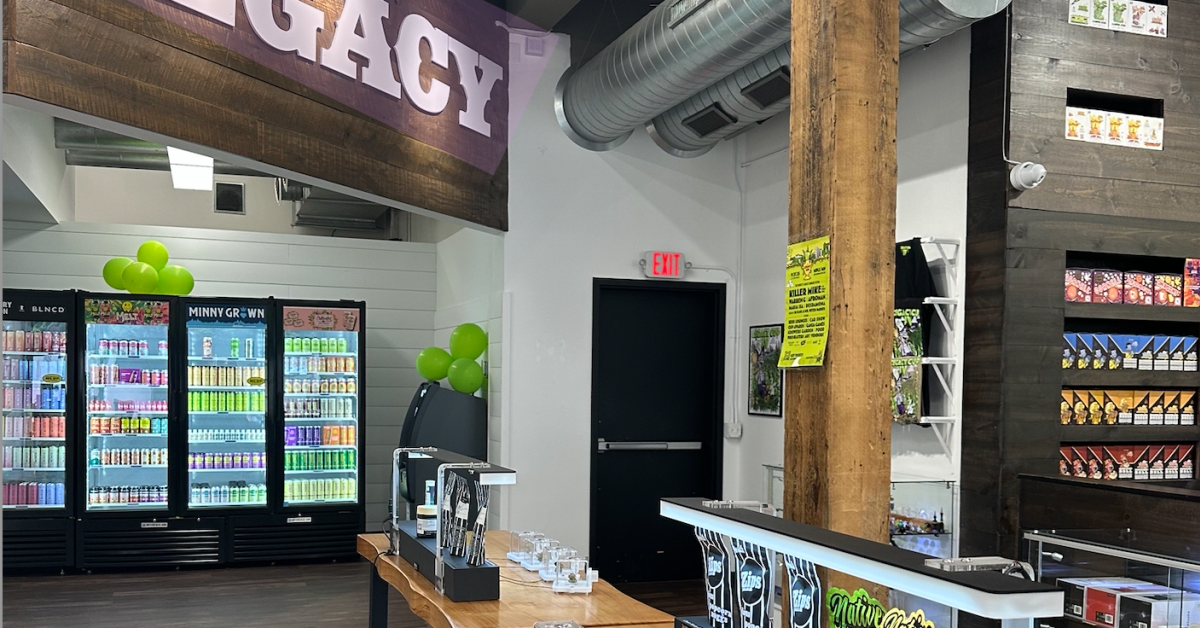
Spokane’s cannabis shops are cutting prices to stay competitive on 4/20, with large chains leveraging bulk buying power to offer heavy discounts (40% off in some cases) and early promos like $1 joints, $5 carts, and $3-gram oils. statewide cannabis revenue has declined from about $1.47B in 2021 to around $1.14B in 2025, a shift driven by market saturation and cheaper, high-volume sales. Smaller towns fear being squeezed out as “Walmarts of Weed” dominate, while some retailers note a slower, more subdued 4/20 celebration and data suggesting Gen Z is less interested in cannabis than older generations.
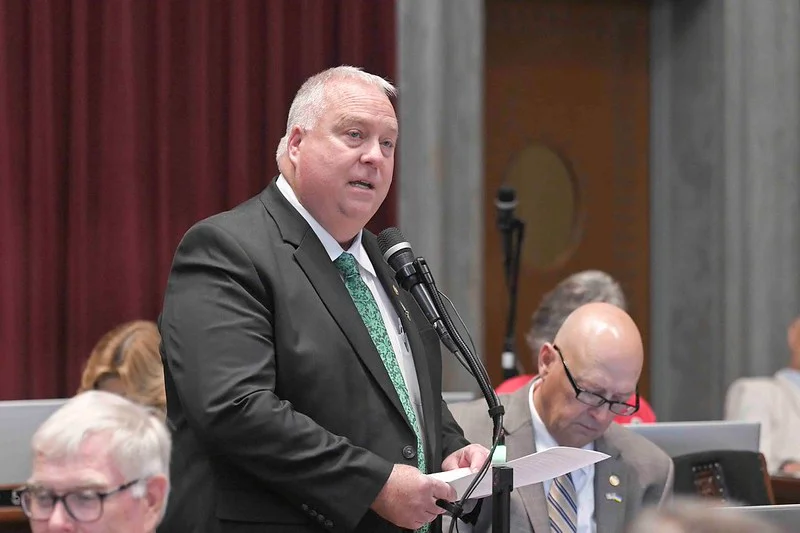
Missouri's House approved a bill to ban intoxicating hemp products containing more than 0.4 mg of THC per container, with sales restricted to licensed cannabis dispensaries if federal action allows it; the measure now heads to the Senate, drawing debate over marijuana definitions and market impact.
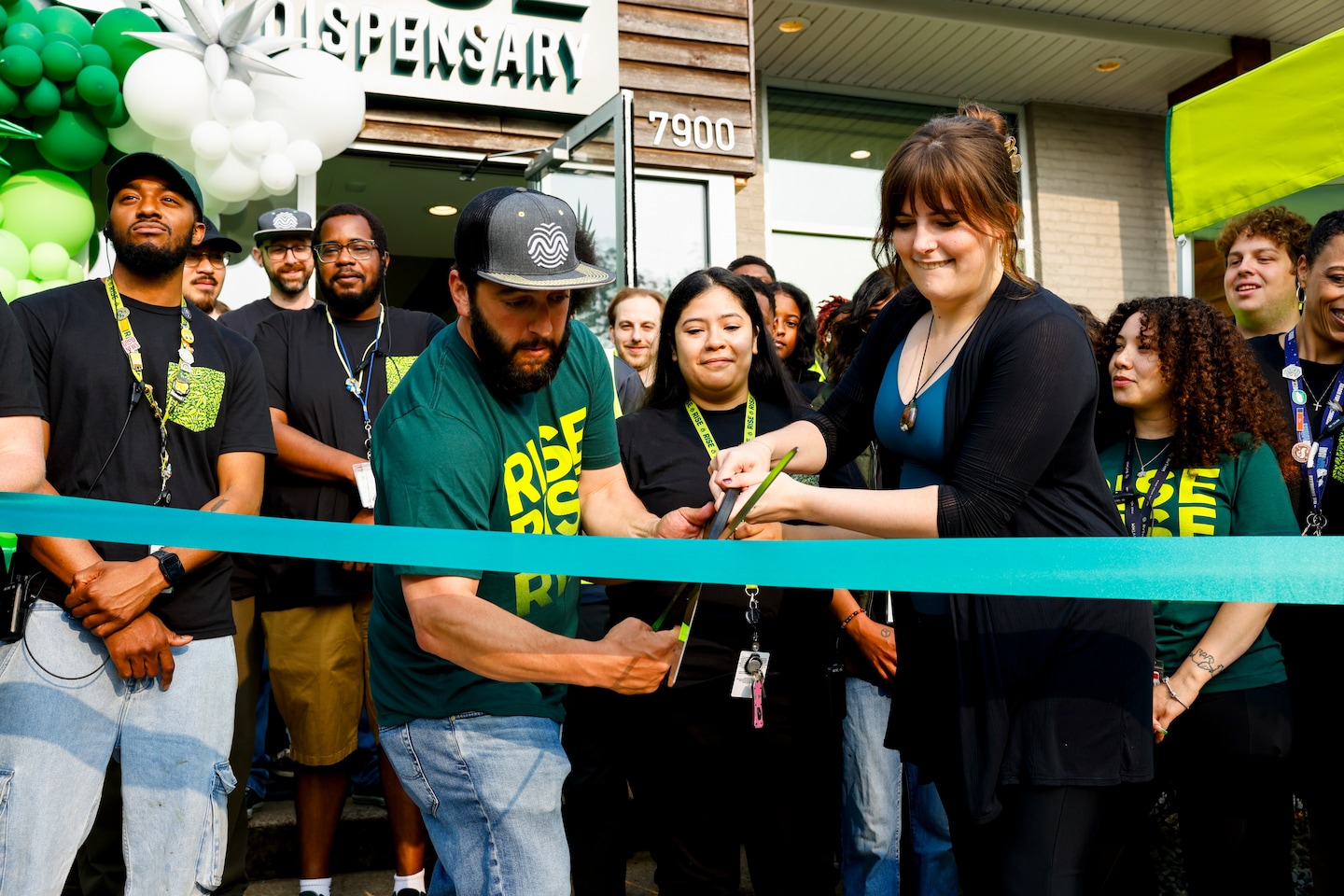
Recreational marijuana sales have officially begun across Minnesota, with new dispensaries opening in Duluth and various Twin Cities locations, marking the state's transition from medical-only to adult-use cannabis sales after legalization in 2023.
The Texas House rejected the Senate's amendments to a bill that would expand the state's medical marijuana program, leading to a conference committee to resolve differences. The bill aims to increase dispensaries, expand qualifying conditions, and allow various cannabis products, but several provisions, including conditions like glaucoma and traumatic brain injury, were removed or altered. The legislation is part of ongoing debates over cannabis policy and drug law reforms in Texas.
Smoking recreational weed is now legal in Ohio, allowing individuals 21 and older to possess up to 2.5 ounces of weed or grow up to 12 plants at home. However, the sale of marijuana in dispensaries is still being determined, and public consumption is prohibited. Ohio's State Senate and House have competing bills to tweak the law, with the finalized version still pending.
The New York Cannabis Control Board has voted to accept a settlement in two lawsuits challenging the state's licensing program for recreational cannabis, which had resulted in an injunction against the program. The lawsuits were brought by service-disabled veterans and large cannabis companies, arguing that the program was unconstitutional and should have prioritized other groups, including veterans. The settlement is expected to allow hundreds of cannabis entrepreneurs to move forward with plans to open dispensaries across the state. The details of the settlement have not been released, and court approval is required before the injunction can be lifted. The delay in reaching an agreement has caused frustration among license holders, who have already invested significant amounts of money. Meanwhile, the state continues to address the issue of illegal dispensaries through enforcement measures.
The New York State cannabis board has approved a settlement that resolves two lawsuits and ends a three-month freeze on recreational dispensary openings in the state. The settlement will salvage the interim licensing program, allowing 436 retail license holders caught up in the litigation to open shops and begin making deliveries. This includes 23 dispensaries that were ready to open before the stoppage. The settlement also limits avenues for future lawsuits against the program and paves the way for the issuance of additional licenses. Opening more dispensaries is crucial to alleviate the bottleneck that has left most of the state's cannabis stockpile unsold. However, concerns about potential future lawsuits remain.
The rollout of legal weed in New York has been plagued with delays and complications, with only 26 dispensaries, and just 11 in New York City, opening their doors so far, far fewer than the 150 that were supposed to be in place by this summer. The implementation of the law has been hindered by a complicated application process, delayed state-investment funds, and lawsuits. Additionally, a little-noticed provision requiring applicants to notify community boards about their proposed business location has overwhelmed the boards with applications to sift through in a month's time. These delays have left cultivators with unsold cannabis and allowed the black market to thrive, while concerns arise about the potential dominance of big retailers in the future.
A court order has halted the opening of new cannabis dispensaries in New York, blocking the state's cannabis regulatory agencies from issuing new licenses and granting operational approval to those already licensed. The ruling comes in response to a lawsuit filed by a group of service-disabled veterans, who argued that a priority licensing program for entrepreneurs impacted by marijuana enforcement was unconstitutional. The program aimed to prioritize licenses for individuals with past cannabis convictions or immediate family members with convictions, as well as nonprofits serving formerly incarcerated populations. The court order has frustrated entrepreneurs, including veterans, who were supposed to receive priority licensing under the state's 2021 legalization law. A hearing in the case is scheduled for August 11th.
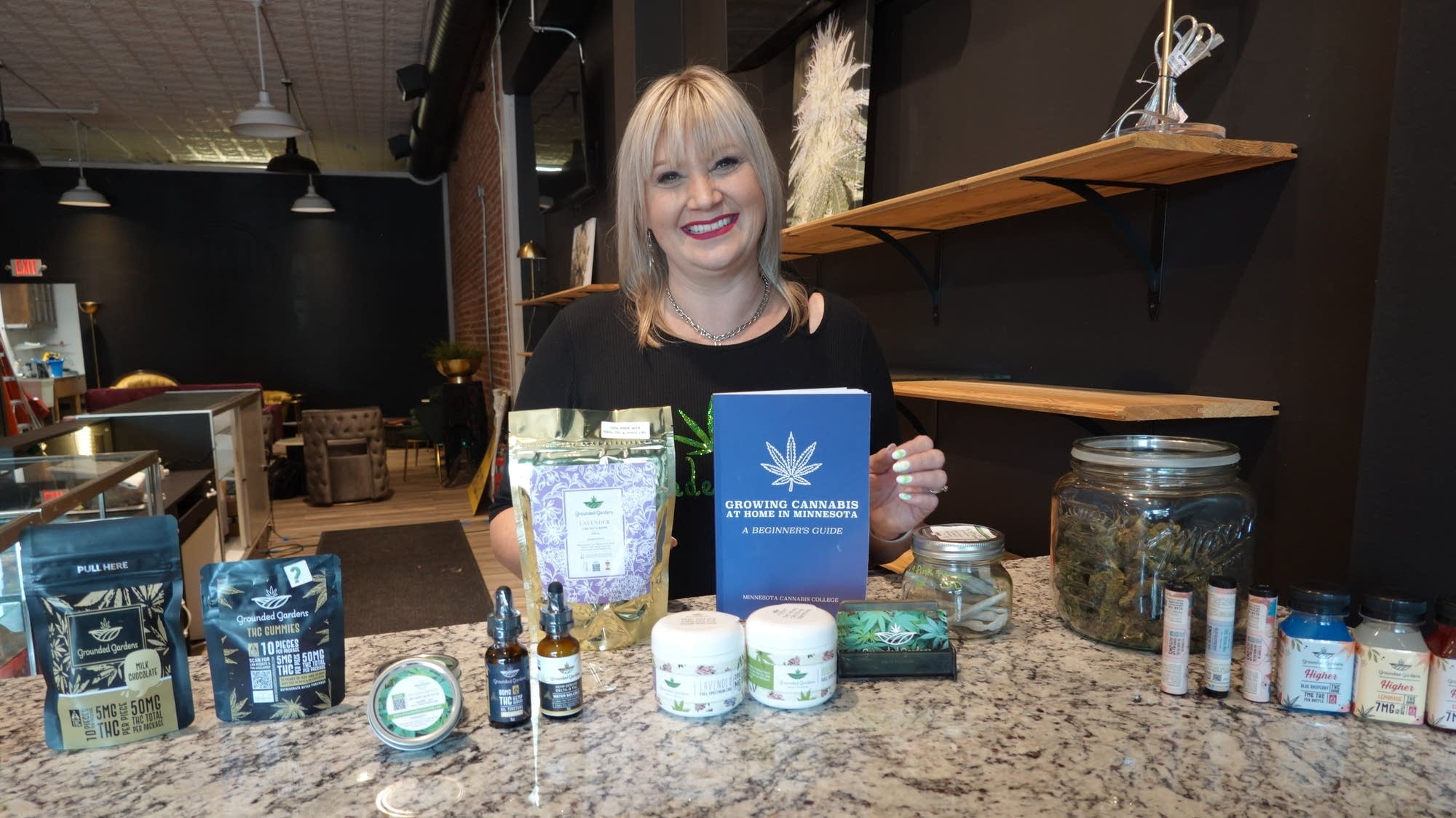
As Minnesota prepares to legalize the use, possession, and home growing of marijuana for adults, cannabis businesses are finding creative ways to navigate the current restrictions. Grounded Gardens, a new cannabis lounge and dispensary, plans to offer hemp plants as test subjects for customers to learn how to grow cannabis until they can legally sell marijuana plants. They also hope to host seed swaps in the future. Meanwhile, Minneapolis-based seed bank CannaJoy is set to start selling cannabis seeds and offering home growing classes. However, the state's seed law and testing process have yet to be established, causing delays for businesses wanting to label and sell Minnesota-grown seeds. Despite these challenges, Minnesota home growers will be able to possess and share small amounts of marijuana flower while they wait for their own harvest.
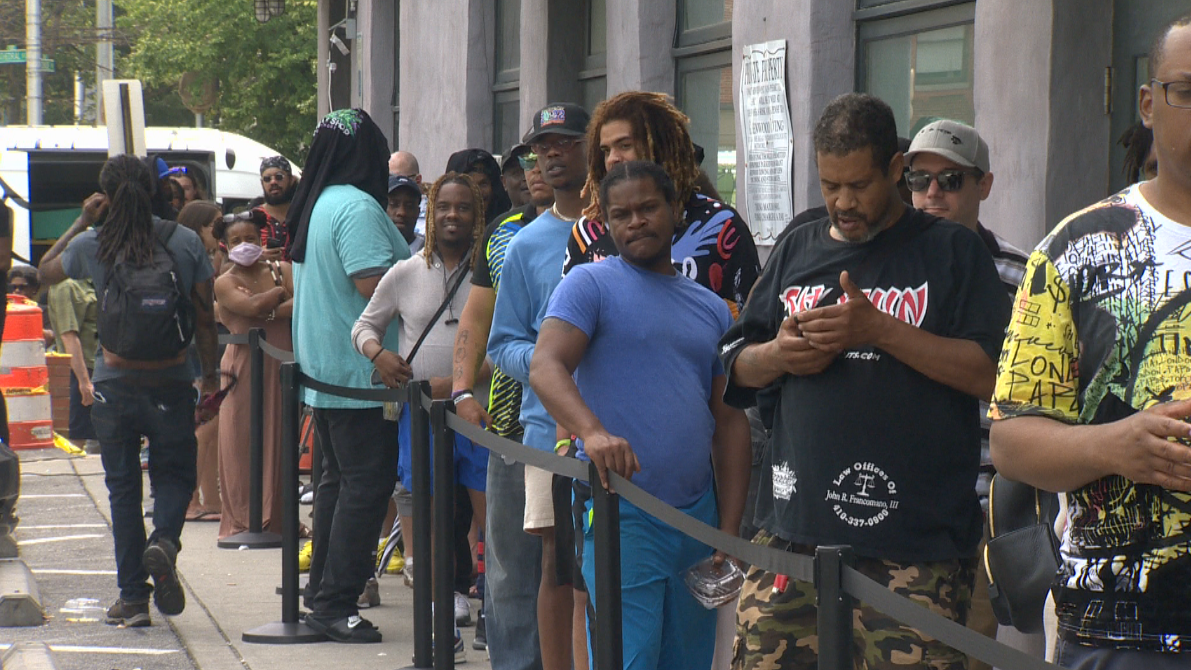
Maryland experienced long lines and a big turnout on the first day of legal recreational cannabis sales. Dispensaries, such as Culta and Curio Far and Dotter, saw lines out the door, and many businesses converted from medical cannabis to adult-use. Customers expressed excitement about the end of prohibition and the opportunity to access cannabis for various purposes. Dispensaries added staff, products, and security measures to accommodate the increased demand. However, state law prohibits smoking cannabis in public, crossing state lines with marijuana can lead to trouble, and marijuana remains banned on federal property.
Maryland has become the 21st state to legalize recreational marijuana sales. Eager cannabis users celebrated the occasion with a music festival and free marijuana seed giveaways. Dispensaries opened their doors to customers, offering a variety of cannabis products. Maryland voters overwhelmingly supported the legalization of cannabis, and lawmakers swiftly set up a legal market to ensure compliance and generate tax revenue. The state aims to increase diversity in the industry by giving preference to businesses owned by individuals from areas disproportionately affected by cannabis arrests. Existing medical marijuana businesses converted their licenses to meet the surge in demand, and new businesses can apply for licenses later this year. The state's medical marijuana program will continue to operate alongside recreational sales.