Spain is pursuing a sixth mass legalization of irregular migrants, building on past waves in 1986 and the 2000s, with the 2005 measure having legalized roughly 576,500 people. The current effort has drawn far more applicants and is fueling debate about the scale and impact of migrant regularization in Spain.
Virginia negotiators reached a budget deal to legalize and regulate a retail cannabis market, opening July 1, 2027, with a 6% tax (rising to 8% after 2029), up to 350 licenses phased in, up to 100 microbusiness licenses by May 1, 2027, and 75% of first-year license revenue directed to the Cannabis Equity Business Loan Fund to aid equity-focused entrepreneurs; enforcement aims to curb the illicit market, protect youth, and support small businesses, while localities can add 1–3.5% tax.
Virginia Gov. Abigail Spanberger and lawmakers unveiled a negotiated budget plan to legalize adult‑use cannabis sales, setting a July 1, 2027 launch, a 2‑ounce purchase limit, and a broad regulatory framework overseen by the Virginia Cannabis Control Authority. The package includes a 6% excise tax plus 5.3% state/local sales taxes (with local option up to 3.5%), rising the excise tax to 8% by 2029, and a civil penalty for public consumption of $250 (effective July 1, 2027). It would permit up to about 350 stores, end local opt‑outs for cannabis operations, and direct revenue to the Cannabis Equity Reinvestment Fund and public health initiatives, with provisions on licensing, hemp oversight, and potential on‑site consumption ideas under study. Advocates say the deal moves Virginia toward a regulated market, though some penalties drew concerns.
Indiana Attorney General Todd Rokita, joined by Nebraska and Louisiana, is suing to block the federal government’s plan to reclassify marijuana from Schedule I to Schedule III, arguing improper rulemaking. The suit, filed in the D.C. Circuit and consolidated with actions by SAM and NDASA, seeks to vacate the action. The development comes as Indiana lawmakers consider medical marijuana legalization, with Governor Braun open to discussion and Senator Bohacek planning 2027 proposals; Indiana remains among the states without medical or recreational cannabis.
The DOJ moved certain marijuana products—from FDA-approved items to state-licensed medical cannabis—from Schedule I to Schedule III, a narrow step that allows medical prescriptions but does not legalize cannabis federally or for recreation. Enforcement remains discretionary, and ongoing lawsuits challenge the order, while states continue operating under a patchwork system with broad public support for legalization but no federal change on the horizon.
Virginia lawmakers rejected Governor Abigail Spanberger’s amendments to the recreational marijuana sales bill, sending the measure back to her desk with a risk of a veto while preserving their own framework for a regulated market. The House voted by voice and the Senate approved 21-18 to block Spanberger’s changes, and lawmakers also declined her tweaks to a separate resentencing bill, though they adopted some of her adjustments to delivery and labeling rules. Key policy disputes include the start date (Jan. 1, 2027 in the legislature’s plan vs. Spanberger’s July 1, 2027), tax structure (6% excise and 5.3% sales tax vs. her proposed 8% excise), and revenue allocation (funds would go to a Cannabis Equity Reinvestment Fund and public programs rather than the general fund). The bill would allow up to 2.5 ounces per transaction, permit delivery, cap serving sizes at 10 mg THC per item (100 mg per package), and place licensing under the Virginia Cannabis Control Authority; localities could not opt out. If Spanberger vetoes, lawmakers would need to start over with new bills in 2027.
Turkmenistan has officially legalized cryptocurrency mining and exchanges, marking a significant policy shift in its tightly controlled, gas-dependent economy, though digital currencies are not recognized as legal tender or security.
Turkmenistan has officially legalized cryptocurrency mining and exchanges, marking a significant policy shift in its tightly controlled, gas-dependent economy, though digital currencies are not recognized as legal tender or security.
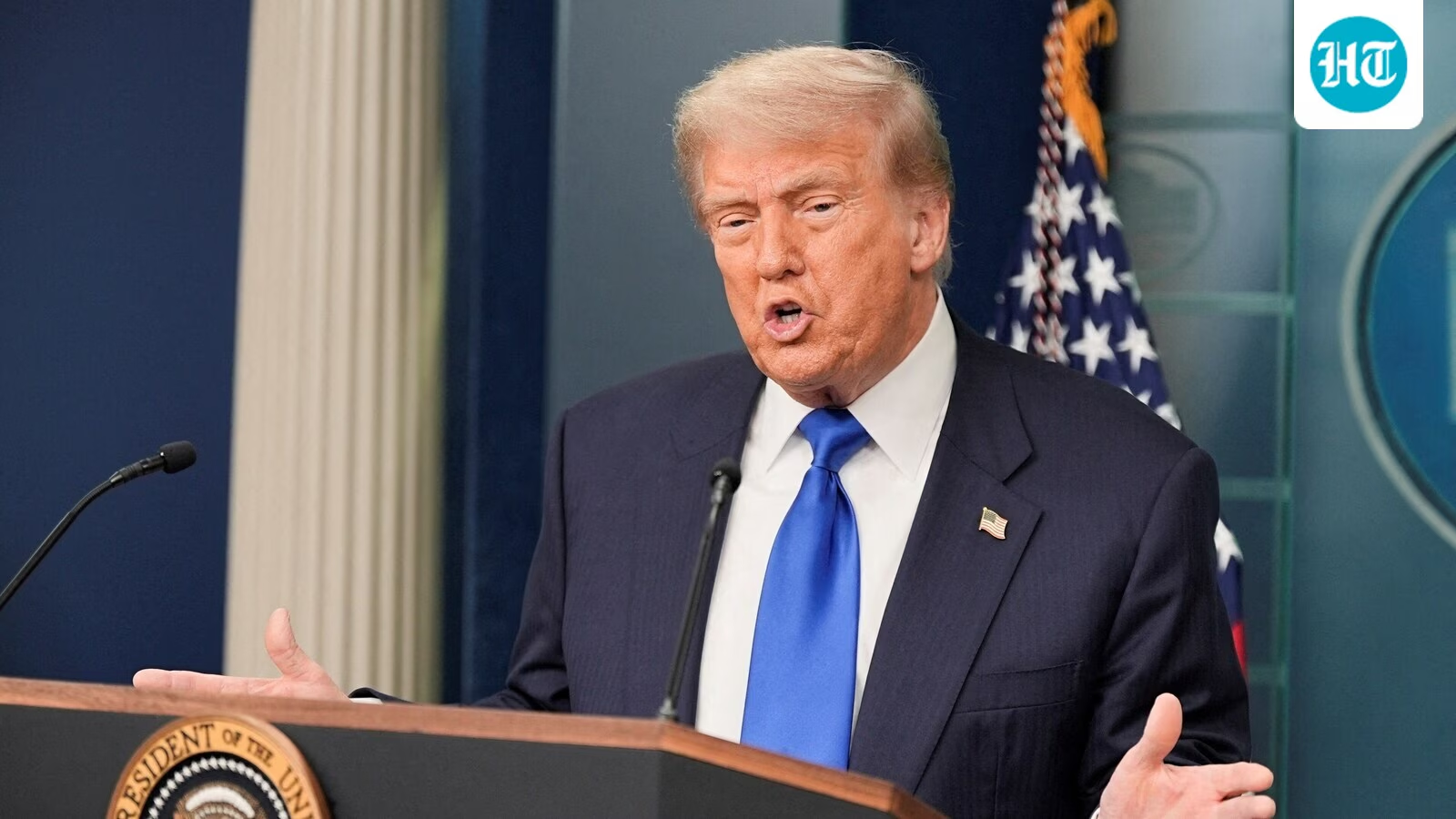
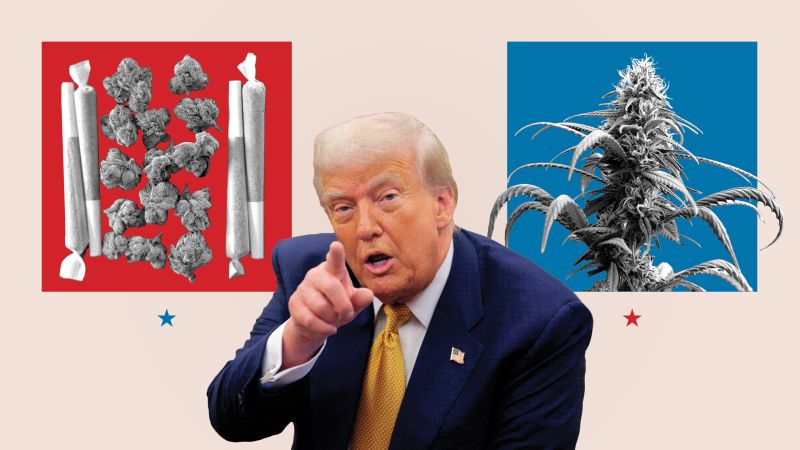
President Trump signed an executive order to prompt the Department of Justice to reclassify marijuana from Schedule I to Schedule III, which could ease banking and tax issues for cannabis businesses and potentially influence future medical and recreational use policies, but it does not legalize marijuana federally or allow crossing state lines with it.
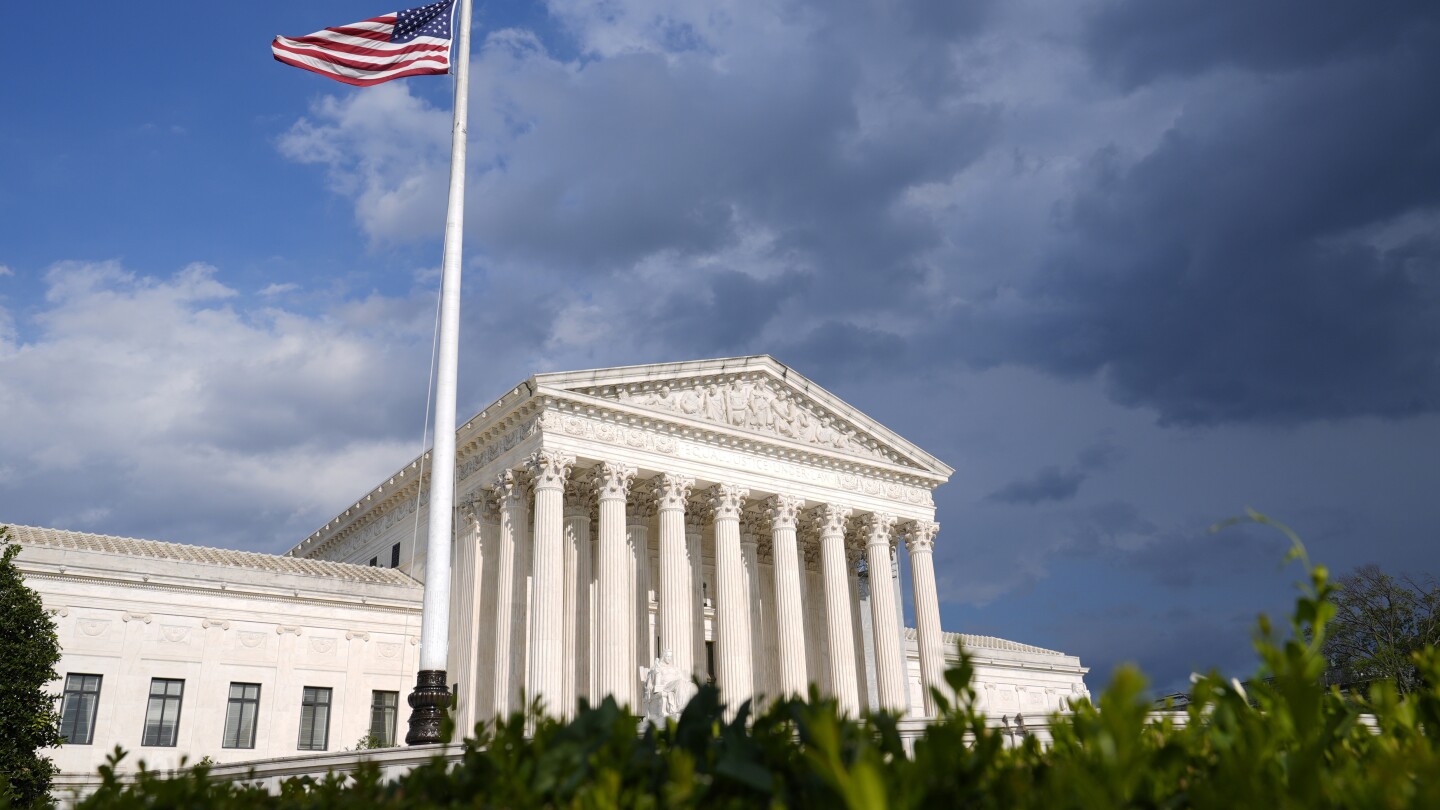
A 2018 Supreme Court decision struck down a federal law banning sports betting in most states, leading to the rapid growth of the legal sports betting industry, but also raising concerns about corruption and integrity in sports, as recent arrests highlight ongoing criminal schemes.
Shares of cannabis companies surged after President Trump endorsed the potential benefits of cannabidiol (CBD) for senior healthcare, signaling possible reclassification of marijuana which could ease regulations and boost industry growth.
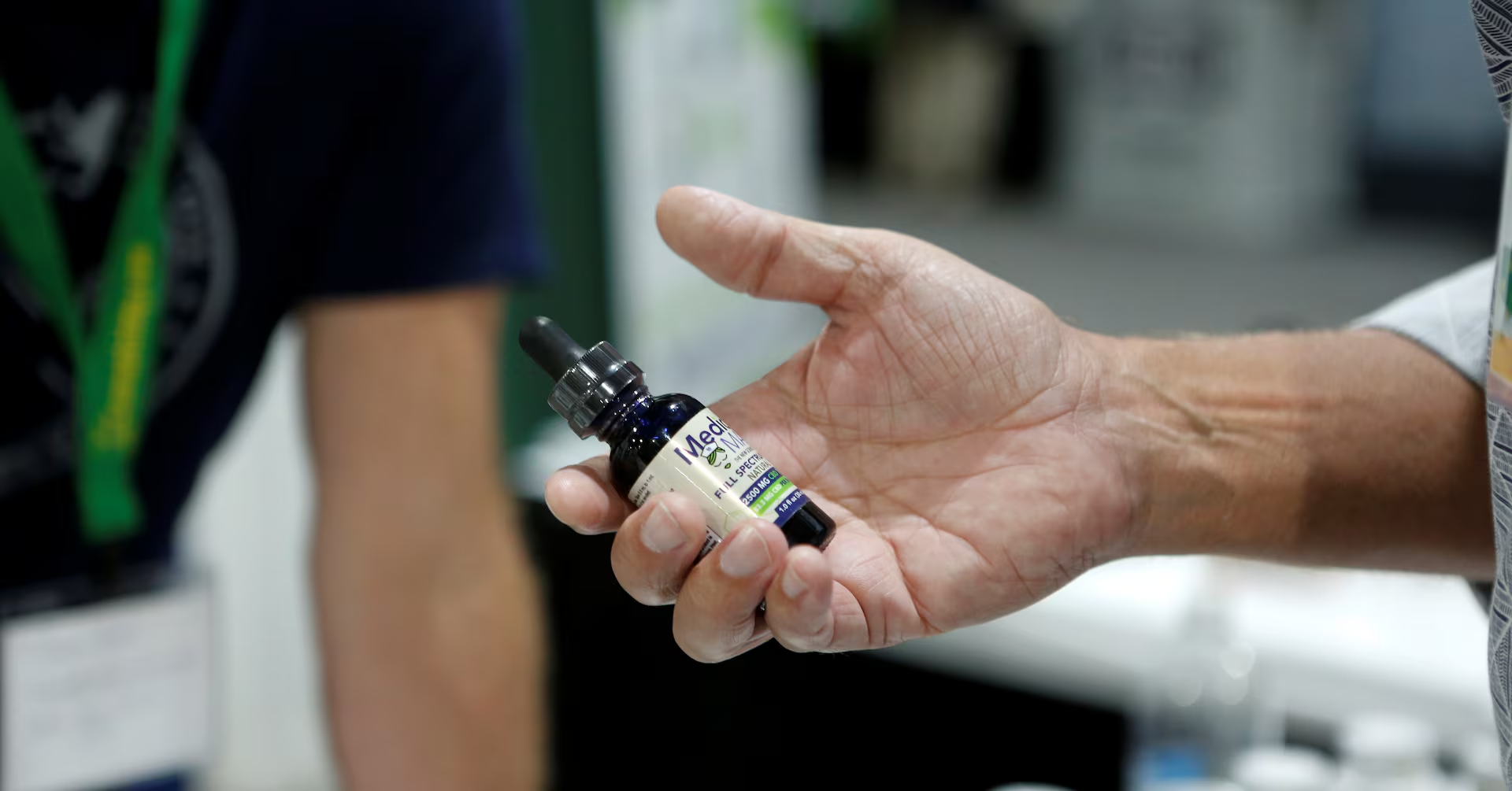
Donald Trump shared a video promoting the health benefits of hemp-derived CBD and suggested it should be included in Medicare, which may bolster discussions on reclassifying marijuana as less dangerous. The video highlights economic savings and medical benefits, especially for seniors, and references the 2018 Farm Bill and the endocannabinoid system. This move could influence future drug policy and healthcare approaches in the US.
President Trump is privately considering reclassifying marijuana to a less dangerous category, a move that could impact law enforcement and appeal to younger voters, but faces internal debate and legal hurdles amid ongoing federal review and political considerations.
Since New York legalized recreational cannabis, ER visits related to cannabis use have doubled, with over 135,000 cases in 2023, including symptoms like vomiting and rapid heartbeat, especially in Central NY which leads the state in hospital visits.
Thailand's recent policy reversal on cannabis legalization, which now restricts sales to medical use and imposes strict regulations, has caused widespread concern among dispensaries, farmers, and tourists, threatening the billion-dollar industry and risking a surge in underground markets.