Tag

Epic Research

All articles tagged with #epic research

GLP-1 Drugs Hint at Obesity Decline as Prescriptions Rise
health18 hours ago

GLP-1 Drugs Hint at Obesity Decline as Prescriptions Rise

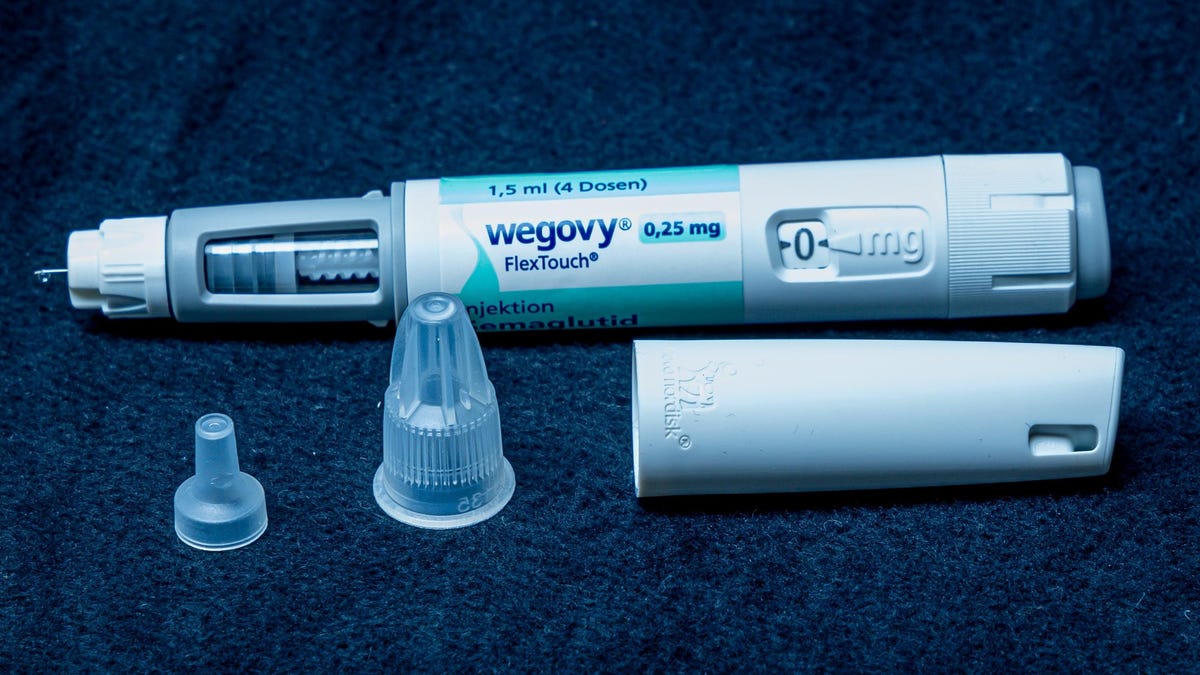
New EPIC Research trackers using COSMOS data show GLP-1 prescriptions have risen fourfold since 2021, while obesity within the dataset declined from 42% to 41%, with GLP-1 users seeing a bigger drop (75% to 69%). While not nationally representative, the trend aligns with CDC estimates and other surveys that show rising GLP-1 use. Barriers like side effects, cost, and insurance limit adoption (about 12% of Americans), and cheaper generics abroad could arrive in five years. If adoption continues, obesity could decline further, though long-term effects remain uncertain.

Baby Aspirin Use for Heart Prevention Drops Significantly as Guidelines Tighten
health1 month ago

Baby Aspirin Use for Heart Prevention Drops Significantly as Guidelines Tighten

A Epic Research analysis of about 279 million primary-care visits (2015–2025) shows daily low-dose aspirin use for preventing cardiovascular disease has roughly halved, dropping from about 7% in 2018 to 3% by 2025; guideline changes over the past decade discourage aspirin for primary prevention in favor of managing risk factors like cholesterol and blood pressure, while aspirin may still help for people who have already had a heart attack, stroke, or a stent, after individualized risk assessment.

"Study: Majority Maintain Weight Loss After Stopping Ozempic and Wegovy"
health2 years ago

"Study: Majority Maintain Weight Loss After Stopping Ozempic and Wegovy"

A study from Epic Research suggests that a majority of people who stop taking GLP-1 drugs like semaglutide either maintain or improve their weight loss in the year after discontinuing the medication. While more than a third of former users did regain much or all of their original weight, the findings indicate that at least some people can successfully stop taking these drugs without losing the health benefits they provide. The study also suggests that there may be ways to improve the odds of sustained weight loss once the therapy is ended, such as through diet and exercise counseling.