Republican Sen. Susan Collins disclosed she has a benign essential tremor that she has endured for decades, saying it does not hinder her work as she runs for reelection in Maine amid heightened scrutiny of health and age in campaigns.
Sen. Susan Collins disclosed a decades-long benign essential tremor that causes tremors in her hands and head but says it has no impact on her ability to perform her duties; she has not missed a vote in 30 years and remains confident in serving another term amid a competitive Maine race.
Indigo Girls singer Emily Saliers disclosed that she has cervical dystonia with torticollis and essential tremor—two incurable movement disorders that will affect her voice on their 2026 tour. The duo will press on with adjusted arrangements, extra backing vocals, and the use of modern digital tools to improve live sound, while pursuing treatments like Botox and vocal coaching to mitigate symptoms. The tour runs April 24–Sept 13, includes dates opening for Brandi Carlile, and has drawn praise from peers such as Sara Bareilles, Brandi Carlile, and Sleater-Kinney for their honesty and perseverance.
Dr Philippa Kaye explains that tremors are common in older adults and usually benign, but they can signal different conditions. A quick 30-second test—hold your hands up to check for a tremor and then rest them in your lap—can help decide if you need an urgent GP visit. Causes range from meds and hyperthyroidism to low blood sugar; Parkinson’s tremor has resting-pattern clues, while essential tremor is often action-related and hereditary. If tremors accompany other symptoms, or if Parkinson’s is suspected, see a GP. Treatments include lifestyle tweaks (less caffeine and alcohol, good sleep, stress management) and, in some cases, medications like beta-blockers; many people rely on adaptive strategies (weighted cups, heavier cutlery) to manage daily tasks.
A new study suggests that people with essential tremor may be three times more likely to develop dementia. Essential tremor, a common neurological movement disorder, can affect a person's ability to complete daily tasks such as writing and eating. Researchers found that 19 percent of participants had or developed dementia during the study, with rates three times higher than the general population. While the majority of people with essential tremor may not develop dementia, the study highlights the heightened risk and potential life changes associated with this diagnosis.
People with essential tremor may be three times as likely to develop dementia than the general population, according to researchers from the University of Texas Southwestern Medical Center. The study, to be presented at the American Academy of Neurology’s 76th Annual Meeting, found that 19% of study participants had or developed dementia during the study, with rates three times higher than those in the general population. The study does not provide an explanation for the increased dementia risk, but further research is needed to establish causation and understand the underlying mechanisms.
Scientists have found that essential tremor, a common movement disorder affecting over 7 million Americans, may increase the risk of developing dementia by three times. The study, presented at the American Academy of Neurology's 76th Annual Meeting, followed 222 patients with essential tremor over an average of five years and found that they were three times more likely to develop dementia than the general population. While more research is needed to confirm this association, the findings offer important insights into subsets of the population vulnerable to dementia and may lead to better education and support for those with essential tremor and their families.
Hand tremors are often a normal part of aging, but they can also be triggered by factors such as fear, anxiety, fatigue, fever, or certain medications. While most tremors are harmless, they can sometimes be a sign of an underlying condition like Parkinson's disease or multiple sclerosis. Essential tremor, a common type of tremor, can be treated with medications, weighted gloves, or deep brain stimulation. Parkinson's disease is often characterized by tremors that start in one hand while at rest and may be treated with dopamine-boosting medications. Tremors can also be a symptom of multiple sclerosis or Wilson's disease. It's important to consult a doctor if you have a new tremor with no obvious trigger or if your tremor interferes with daily activities.
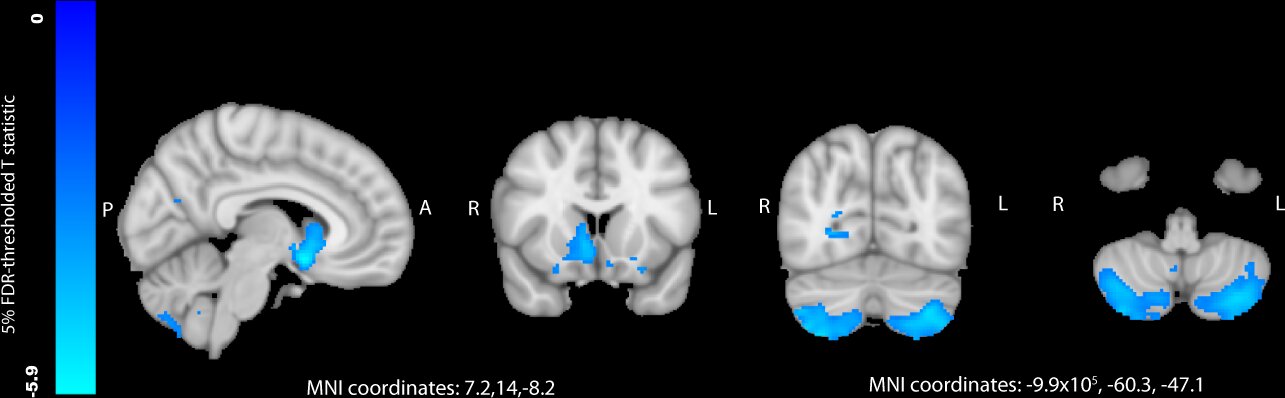
A study by the University of Oxford has found a strong correlation between gout and neurodegenerative disease. Participants with gout had smaller global and regional brain volumes and markers of higher brain iron, and higher incidences of all-cause dementia, Parkinson's disease, and probable essential tremor. The study suggests that lower neuroanatomic resources among gout patients may explain their higher vulnerability to multiple neurodegenerative diseases. Patients with gout should be monitored for cognitive and motor symptoms of neurodegenerative disease, given their increased risk, especially in the early period after diagnosis.