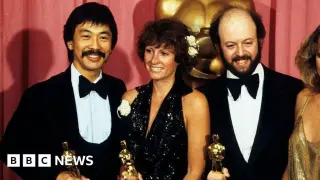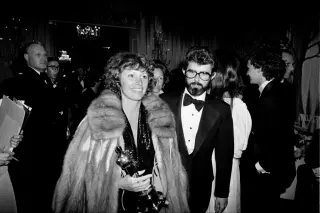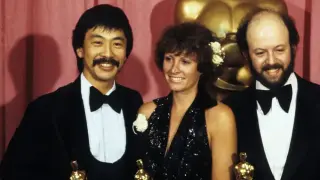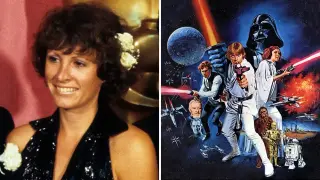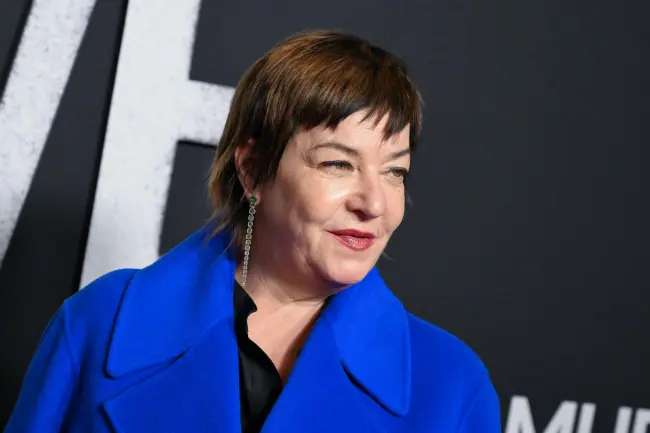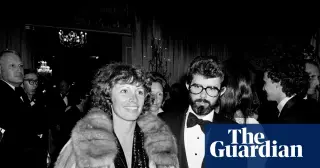
Marcia Lucas, Academy Award-winning editor of Star Wars and Oscar-nominated for American Graffiti, died May 27, 2026, at age 80 from cancer in Rancho Mirage, California. A pioneering editor who also cut Taxi Driver and Return of the Jedi, she is remembered as a trailblazer for women in film.
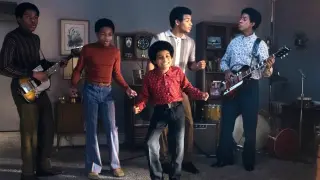
Editor John Ottman recut the four-hour Michael biopic to add intimacy, humor, and momentum, trimming roughly 25 minutes of Jaafar Jackson’s voiceover and tightening the early years. The edits were driven by a need to ground Michael’s artistry while also heeding a settlement clause that barred depicting or mentioning a specific accuser, resulting in a stronger focus on young Michael and Jaafar’s standout performances through close-ups and character-driven moments.
ACE Eddie Awards 2026 honored editors across film and TV, naming Sinners as Best Edited Feature Drama, One Battle After Another as Best Edited Feature Comedy, A Winter’s Song as Best Edited Non-Theatrical Feature, and KPop Demon Hunters as Best Edited Animated Feature. TV prizes went to The Pitt for Best Edited Drama Series, The Studio for Best Edited Single-Camera Comedy Series, and South Park for Best Edited Animated Series; The Penguin won in Limited Series. Additional wins included Conan O’Brien Must Go (Non-Scripted), Saturday Night Live 50th Anniversary Special (Variety/Talk/Sketch), The Perfect Neighbor (Documentary Feature), Pee-wee as Himself (Documentary Series), and Luis Barragan (Anne V. Coates Award for Student Editing). Ang Lee was named ACE Golden Eddie Filmmaker of the Year, with Career Achievement honors for Arthur Forney and Robert Leighton.
Lynne Ramsay discusses the divisive Cannes reception of her film 'Die My Love,' her meticulous editing process, her collaboration with stars like Jennifer Lawrence and Robert Pattinson, and her upcoming projects, emphasizing her focus on emotional authenticity over festival buzz.
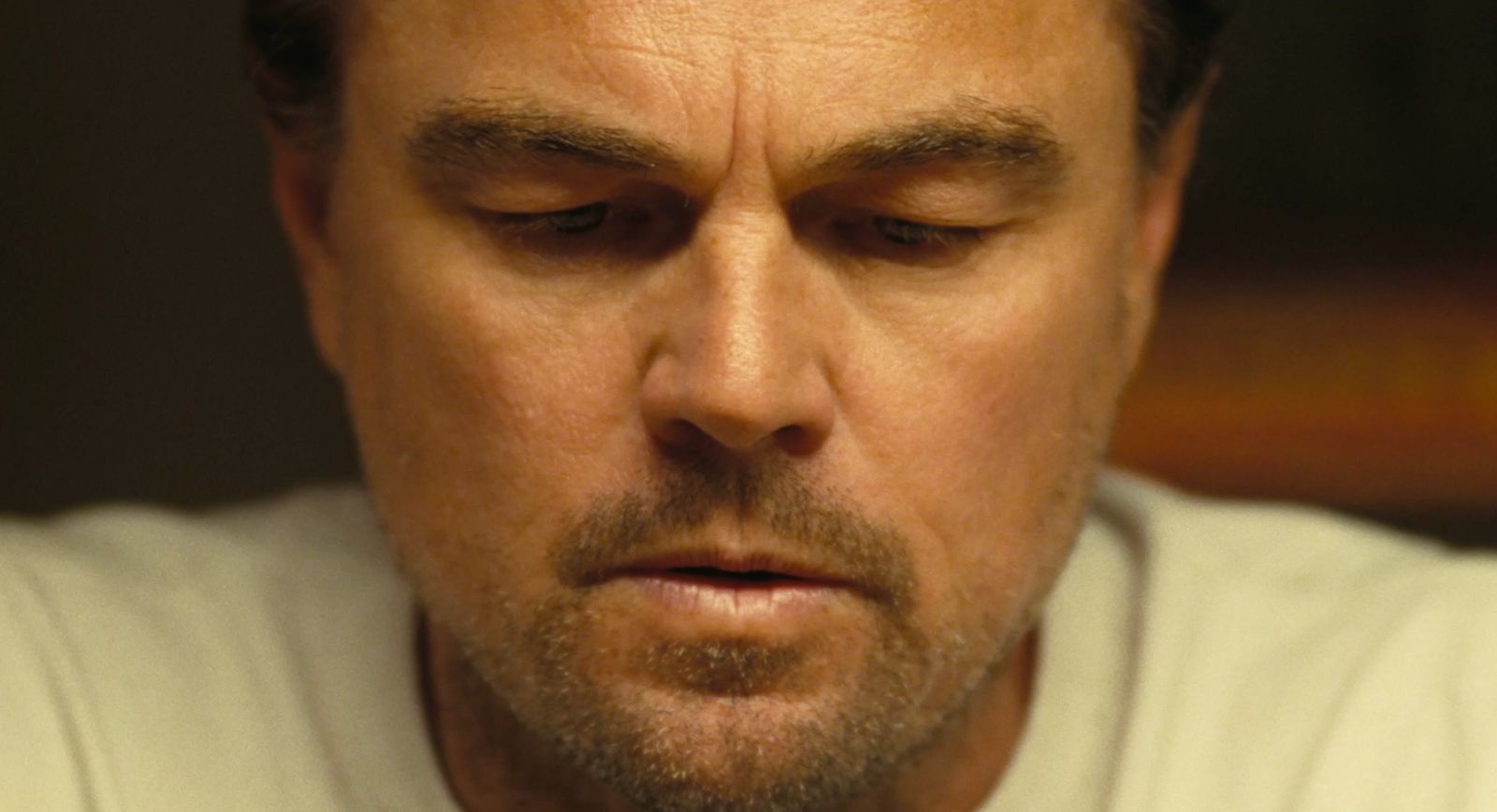
Andy Jurgensen discusses the intricate editing process behind Paul Thomas Anderson's film 'One Battle After Another,' highlighting how he crafted its momentum, tone shifts, and impactful scenes through innovative techniques like cross-cutting, strategic needle drops, and visual effects, resulting in a dynamic and emotionally resonant movie.
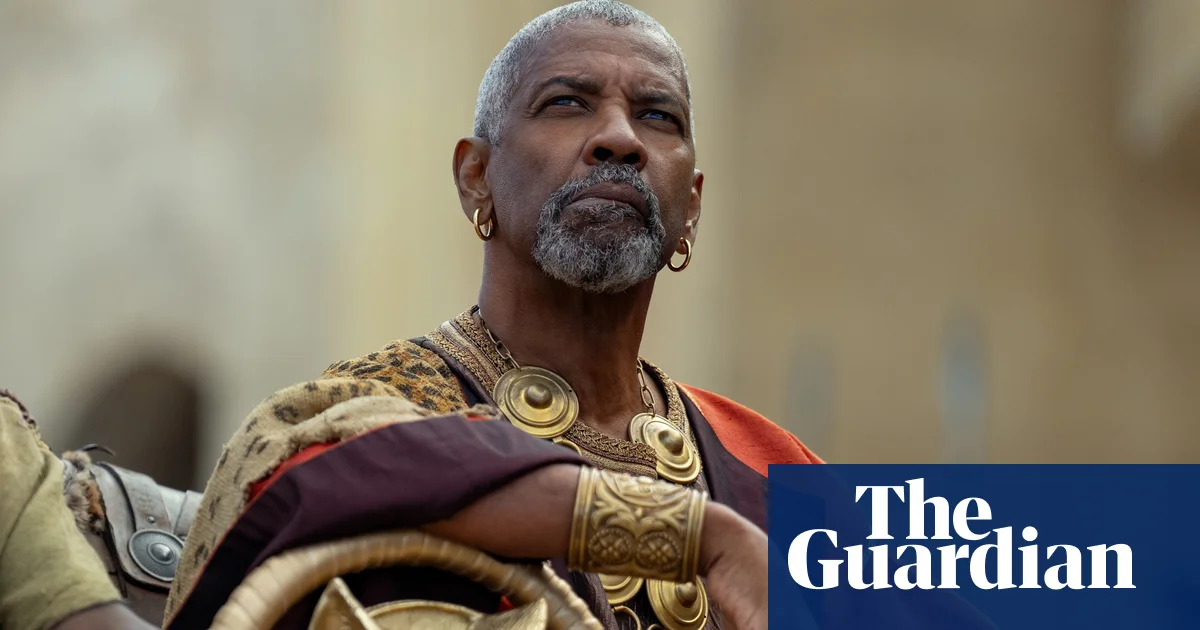
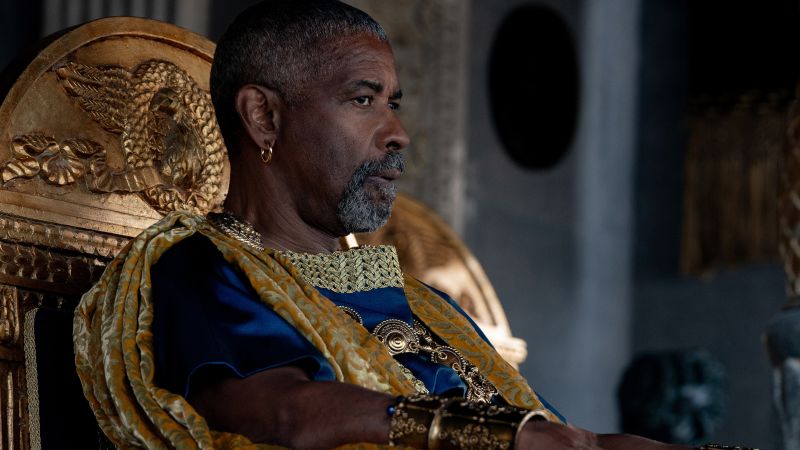
Ridley Scott, director of Gladiator II, has denied Denzel Washington's claim that a same-sex kiss was cut from the film, calling it "bullshit." Washington, who plays a bisexual character, later downplayed the incident as a "peck" and not significant. The film's original cut was over an hour longer, with many scenes, including some of Connie Nielsen's, removed for length, not due to homophobia. Producer Michael Pruss described the kiss as a "non-event."
Director Ridley Scott refuted claims by Denzel Washington that a same-sex kiss scene was cut from "Gladiator II," stating that the kiss "didn't happen." Washington described the moment as a "peck" and downplayed its significance, while producer Michael Pruss noted that many scenes were omitted from the final cut. The film, featuring Paul Mescal, is set to appeal to a broad audience and opens in theaters soon.
Denzel Washington revealed that a same-sex kiss he performed in "Gladiator II" was cut from the film. In an interview, Washington mentioned that he kissed a male co-star on the lips, but the scene was removed, suggesting the filmmakers "weren't ready for that yet." The film, directed by Ridley Scott, is set to release on November 22. Co-star Paul Mescal also shared a story about a kiss during a rehearsal with Pedro Pascal, which received a humorous response from Scott.
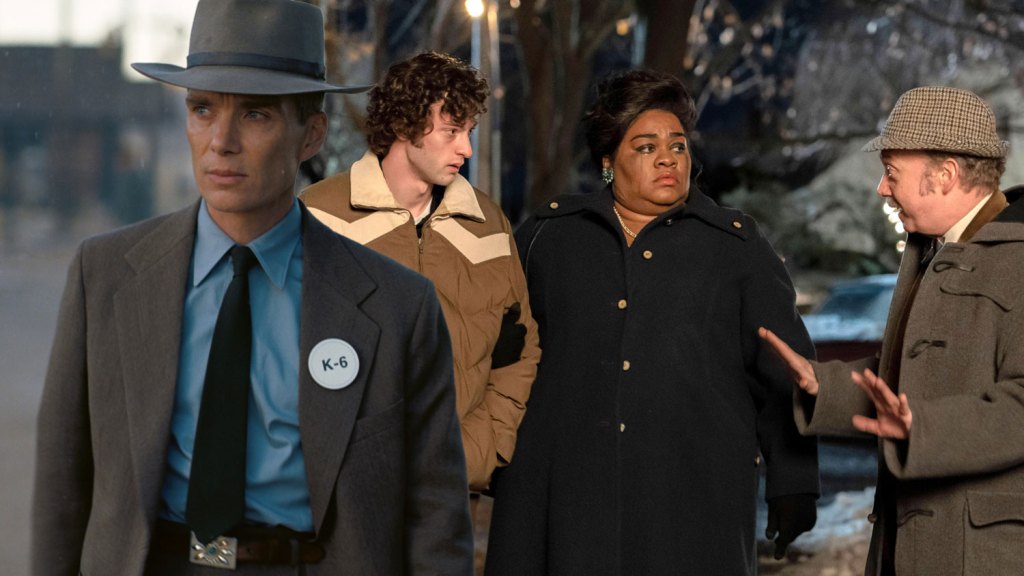
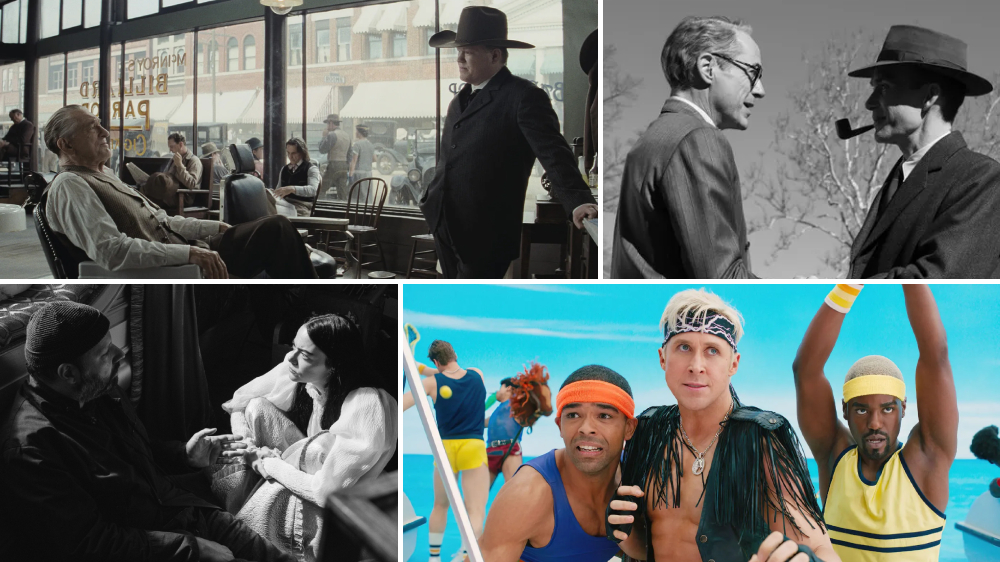
Oppenheimer and The Holdovers took top film honors at the 74th ACE Eddie Awards, with Oppenheimer winning Best Edited Feature Film (Dramatic) and The Holdovers landing the top award for Best Edited Feature Film (Comedy). TV winners included The Last of Us and The Bear, while a quartet of honorees received career awards from the American Cinema Editors. The ACE Eddie Awards, celebrating the art and science of the editing profession, have been presented annually since 1951.
The 74th annual ACE Eddie Awards nominations have been announced, with films like "Oppenheimer" and "Barbie" competing for editing prizes. The ceremony will take place on March 3, with Nina West hosting and John Waters receiving the ACE Golden Eddie Filmmaker of the Year Award. Additionally, film editors Kate Amend and Walter Murch will receive Career Achievement Awards, and Stephen Lovejoy will receive the Heritage Award for his commitment to ACE.
The 2024 Oscars Best Film Editing predictions suggest that Jennifer Lame and Thelma Schoonmaker are leading the pack, with Lame in a strong position for Christopher Nolan's "Oppenheimer" and Schoonmaker for Martin Scorsese's "Killers of the Flower Moon." Greta Gerwig's "Barbie" and animated films like "Spider-Man: Across the Spider-Verse" are also potential contenders. The list is subject to change as the awards season progresses.
The editor of "Mission: Impossible 7," Eddie Hamilton, reveals that the film's jaw-dropping train sequence was originally much longer but was trimmed down to maintain non-stop action. Hamilton and director Christopher McQuarrie meticulously combed through every shot to tighten the scene and remove sections that were deemed excessive. While some scenes required fine-tuning, others were left untouched. The editing process involved seeking input from others and watching the film without music or sound effects.
John Refoua, the Oscar-nominated film editor who worked on Avatar and Avatar: The Way of Water, has died at the age of 58 due to complications from a rare bile duct cancer. Refoua was a longtime collaborator of James Cameron, working on the Avatar franchise, the Fox sci-fi series Dark Angel, and the Titanic documentary, Ghosts of the Abyss. He was diagnosed with cancer in early 2022 but continued to work on Avatar 3 until his final weeks. Refoua's work will appear in the upcoming Avatar 3.
Steven Spielberg regrets editing scenes from his hit 1982 film "E.T." to replace guns with walkie talkies in the 2002 re-release, stating that "no film should be revised based on the lenses we now are, either voluntarily or being forced to peer through." He urged others not to repeat his mistakes and emphasized the importance of preserving cultural heritage in films and other art forms. Spielberg also expressed his opposition to censorship in any form.
Director Steven Spielberg has admitted that he made a mistake when he edited guns out of his 1982 science fiction film, E.T. the Extra-Terrestrial. Spielberg explained that he was sensitive to the fact that federal agents were approaching kids with firearms exposed and thought he would change the guns into walkie-talkies. However, he now regrets the decision and believes that no film should be revised based on the lenses we now have.