
UBS Sees Apple's Foldable Duo Redefining iPhone Form Factor
UBS analysts say Apple's foldable duo marks a notable form-factor change for the iPhone lineup, signaling a potential shift in Apple's smartphone strategy.

All articles tagged with #form factor
UBS analysts say Apple's foldable duo marks a notable form-factor change for the iPhone lineup, signaling a potential shift in Apple's smartphone strategy.
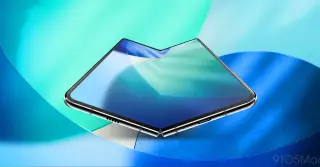
Apple’s rumored foldable iPhone Ultra is expected to feature a 5.5-inch outer display and a 7.6-inch inner display. Early hands-on comparisons with the Galaxy Z Fold 8 suggest the Ultra could resemble a pocketable iPad mini (with curved corners) and may provide a similar form factor ahead of a likely September reveal.
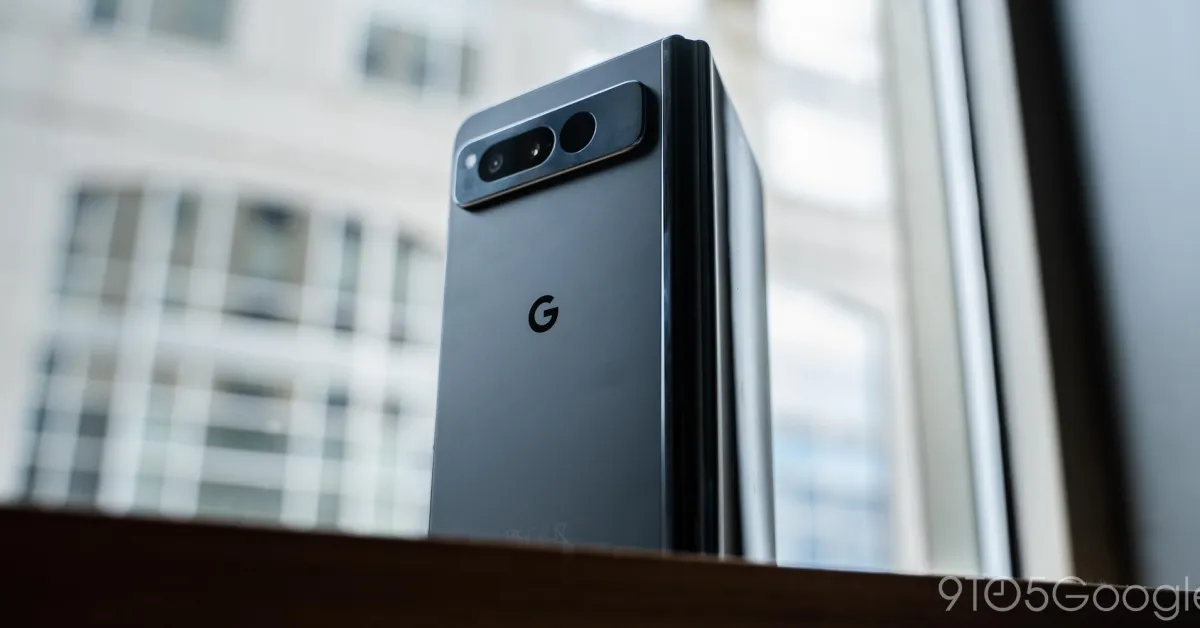
The article discusses the potential return to the original Pixel Fold's 'passport' style foldable design by Apple and Samsung, with Apple’s iPhone Fold and Samsung’s upcoming foldable adopting a 4:3 aspect ratio similar to the Pixel Fold, possibly due to app support considerations and the desire for a crease-free design.
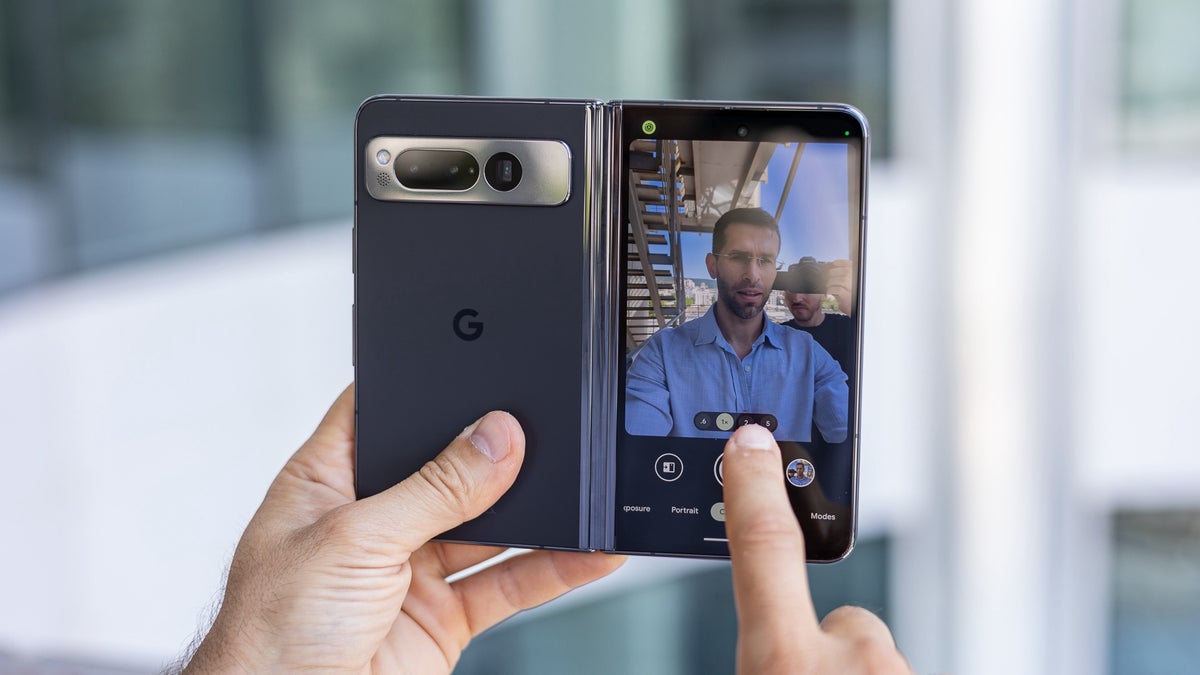
A leaked photo of the upcoming Google Pixel Fold 2 reveals a redesigned camera housing, a narrower cover screen, and a square-like aspect ratio for the inner screen, suggesting significant form factor changes from its predecessor. The phone may share features with the Pixel 9, such as rounded displays and a sleek aluminum frame, and is rumored to have a display cutout on the top right. However, it's important to note that these leaks depict an initial engineering prototype, and the design may still undergo significant changes before the final release.
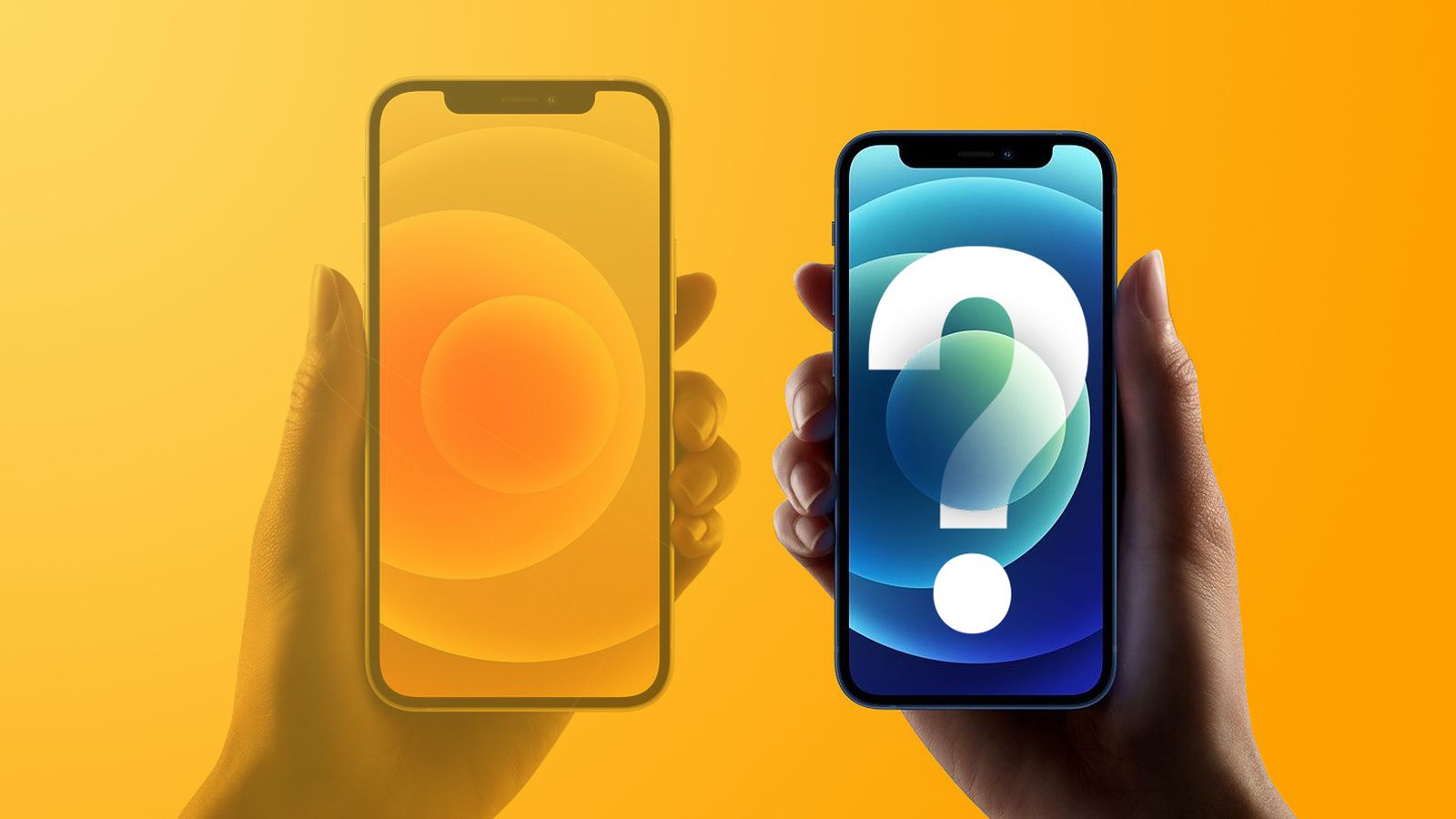
Apple has eliminated the "mini" form factor from its iPhone lineup with the release of the iPhone 15, following lackluster sales of the iPhone 12 mini and iPhone 13 mini. The decision to discontinue the smaller device was likely driven by poor demand, with reports suggesting that the iPhone 12 mini accounted for just 6% of iPhone 12 sales in the US. Apple's move to replace the mini with a larger "Plus" device reflects a shift in consumer preferences towards bigger screens. There are no plans to revive the mini form factor in future iPhones, with upcoming models expected to feature 6.1-inch displays or larger.

The future of smartphones will see better displays, foldables as a niche, and fully encrypted connections between chips and input-output. The phone app will become vestigial, and there will be functionality at the OS or app level to help identify AI-generated content. The smartphone will remain the hub that connects all devices to the internet, and the industry will continue to flow on expected capacity. The smartphone market may never see the same meteoric rise that it did in the 2010s, but the all-powerful pocket computer is here to stay.