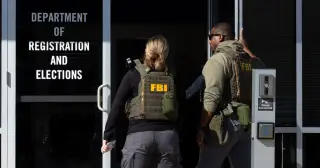
A federal judge ruled the DOJ does not have to return the 2020 Fulton County ballots seized by the FBI, allowing the records to stay in the federal probe; Fulton County may appeal the decision.
A federal judge ruled that the Justice Department can keep seized ballots from Fulton County, Georgia, tied to the 2020 election, allowing the government to retain the materials as part of an ongoing investigation.
Federal authorities are investigating after roughly 500 ballots from multiple elections were found behind a Renton, Washington dumpster; the ballots appeared to be outgoing and were not retrieved, not counted, and are being reviewed by King County Elections with the USPS, Renton Police, and the FBI. Rep. Jim Walsh raised concerns about vulnerabilities in Washington’s vote-by-mail system, but election officials say safeguards prevented any fraud and criticize the public posting of the ballots. The Secretary of State and King County Prosecuting Attorney’s Office are involved, and the case remains active.
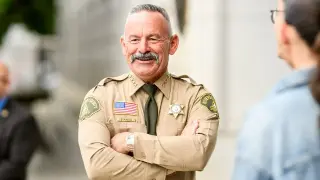
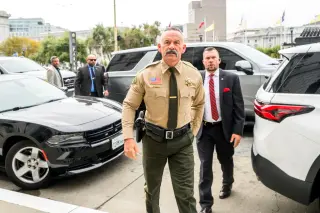
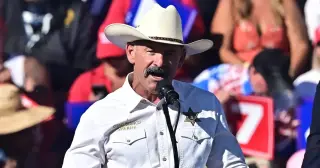
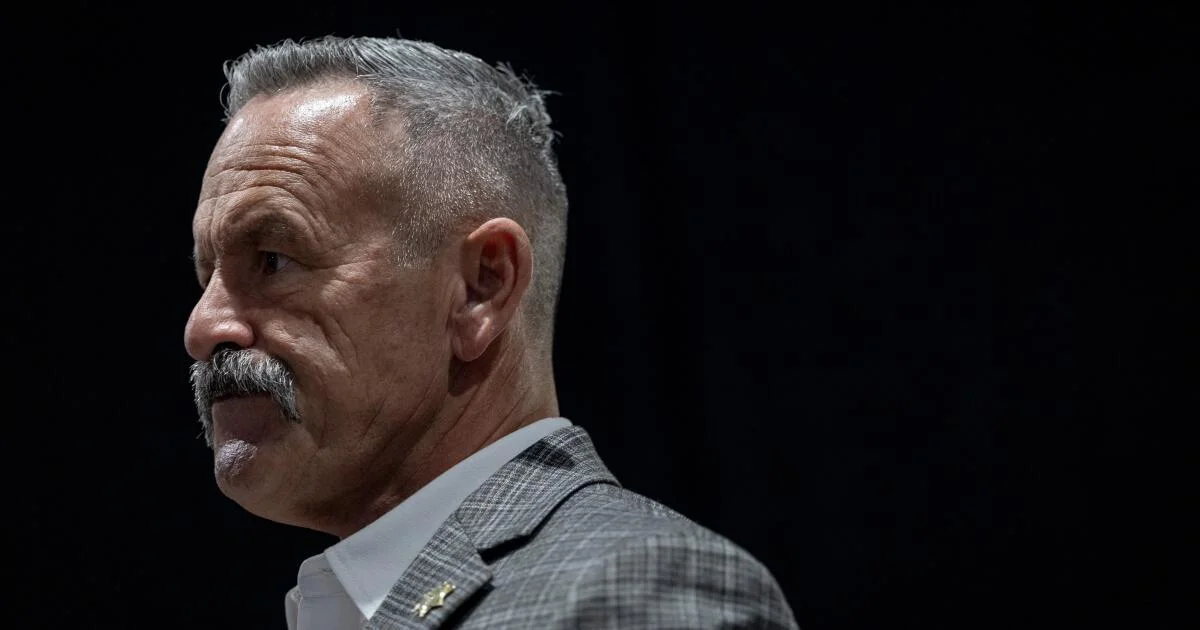
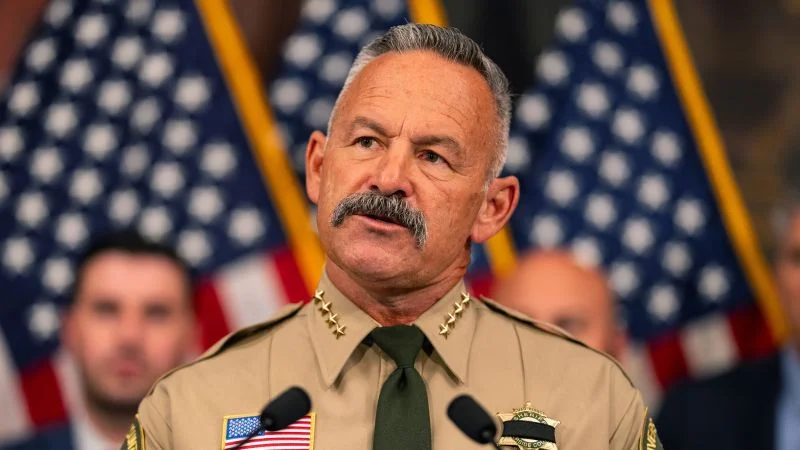
Warrants unsealed in Riverside County show Sheriff Chad Bianco seized about 650,000 ballots as part of a probe into the 2025 special election, prompted by activist claims of a 45,000-vote disparity that the Registrar of Voters says is unfounded; the California Supreme Court ordered Bianco to pause the investigation while a legal challenge from Attorney General Rob Bonta proceeds, highlighting a clash over election challenges and Bianco’s gubernatorial bid.
Warrants used to seize more than 650,000 ballots in Riverside County’s controversial election-fraud probe were unsealed, prompting criticism from California Atty. Gen. Rob Bonta and a California Supreme Court stay as the investigation is reviewed for legal deficiencies.
The California Supreme Court ordered Riverside County Sheriff Chad Bianco to pause the investigation into alleged 2025 election fraud and preserve more than 650,000 seized ballots while it reviews the petition for review, effectively halting the probe as litigation continues. Attorney General Rob Bonta praised the ruling, which stops Bianco’s actions amid a contested special election on a new Democratic-drawn congressional map; a coalition of media outlets is seeking to unseal the warrant tied to the ballot seizure.
Riverside County Sheriff Chad Bianco paused his controversial election-fraud probe after seizing more than 650,000 ballots from Proposition 50, as California Attorney General Rob Bonta challenged the effort as an unprecedented constitutional emergency and pressed for court intervention, with ongoing disputes over legal authority and ballot custody.
California Attorney General Rob Bonta and UCLA's Voting Rights Project filed suit to stop Sheriff Chad Bianco's seizure and recount of Riverside County ballots, arguing the action violates state election laws and could undermine public trust ahead of the elections; Bianco says the investigation is legal with warrants and a court-supervised counting process, while officials dispute the ballot-count discrepancy.
Riverside County Sheriff Chad Bianco, a Republican candidate for governor, seized 426 additional ballot boxes as part of a criminal probe into alleged voter irregularities, adding to a prior seizure of about 650,000 ballots. State officials led by Attorney General Rob Bonta say the investigation lacks credible evidence and have filed lawsuits to pause or challenge it; a separate lawsuit seeks to block a recount tied to last year’s Prop 50. A UCLA Voting Rights Project suit and a secretary of state critique underscore concerns about undermining public trust in elections, while a court panel denied a bid to stop the recount. Critics note a claimed discrepancy of 45,896 votes versus the actual difference of 103, highlighting the dispute over the case’s basis.
At a federal hearing over the FBI’s seizure of Fulton County’s 2020 ballots, an elections expert testified the FBI’s irregularities don’t amount to a crime and the cited witnesses appear misinformed, undermining the evidence. Fulton County argues the unsealed affidavit is inaccurate and based on unreliable sources and seeks the return of the ballots and materials, a case tied to Trump’s ongoing election challenges.
A Georgia judge heard Fulton County’s bid to reclaim seized 2020 ballots in a dispute with the Trump administration, after FBI agents removed the materials as part of a federal review; the case centers on custody of the ballots and is continuing in Fulton County.
A federal judge will weigh Fulton County’s request to have thousands of ballots returned after they were seized by the DOJ during the 2020 election investigation, a move the county says relied on debunked theories. The court ruling could impact the DOJ’s broader election probes and how such seizures are viewed in future cases.
The Justice Department’s investigation into the 2020 election faces its first public court test in Atlanta as Fulton County seeks the return of FBI-seized 2020 ballots. Prosecutors argue the warrant was proper and the materials are needed for the probe, while the county contends the affidavit omitted important context. U.S. District Judge JP Boulee will weigh whether the seizure and related disclosures were lawful and whether guardrails should limit how such warrants are used in ongoing investigations, a ruling with implications for the wider probe and related actions, including a separate Arizona subpoena.
An appeals court denied California A.G. Rob Bonta’s bid to stop Riverside County Sheriff Chad Bianco’s ballot-investigation, directing him to refile in a lower court; Bianco seized more than 650,000 ballots tied to Prop. 50 and calls the probe a lawful fact-finding mission, while Bonta argues the warrants and inquiry are legally deficient and could undermine public trust ahead of the governor’s race.
Riverside County Sheriff Chad Bianco seized about 650,000 ballots from California’s Prop 50 redistricting vote and will conduct a court-supervised hand count after complaints of a large discrepancy; California AG Rob Bonta criticized the move, noting the actual discrepancy was roughly 103 ballots and questioning the warrants’ basis. The effort, framed as a verification, follows other national election-security actions and critics say it’s driven by election-denier conspiracy theories and could involve federal authorities.