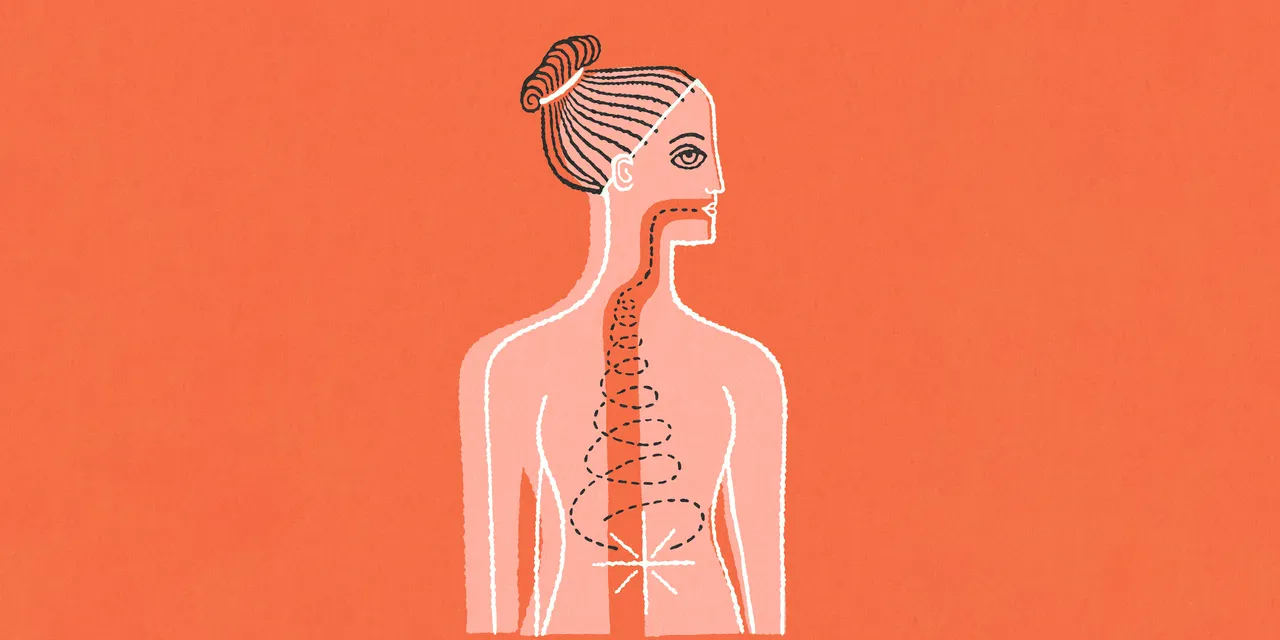
Your Colon Has Its Own Clock, Explaining Morning Urges
Scientists found clock genes in the colon’s nerve tissue that regulate bowel movements on a daily rhythm, with nitric oxide acting as a braking signal that loosens as wake time approaches. The resulting surge in colonic activity occurs after waking and after meals due to the gastrocolic reflex, cortisol, and meal-triggered signals. Disrupting this rhythm with shift work or travel is linked to IBS-like symptoms, while practical guidance—consistent wake time, morning light, a short post-breakfast toilet routine, fiber, water, and light activity—helps the colon finish the job.