
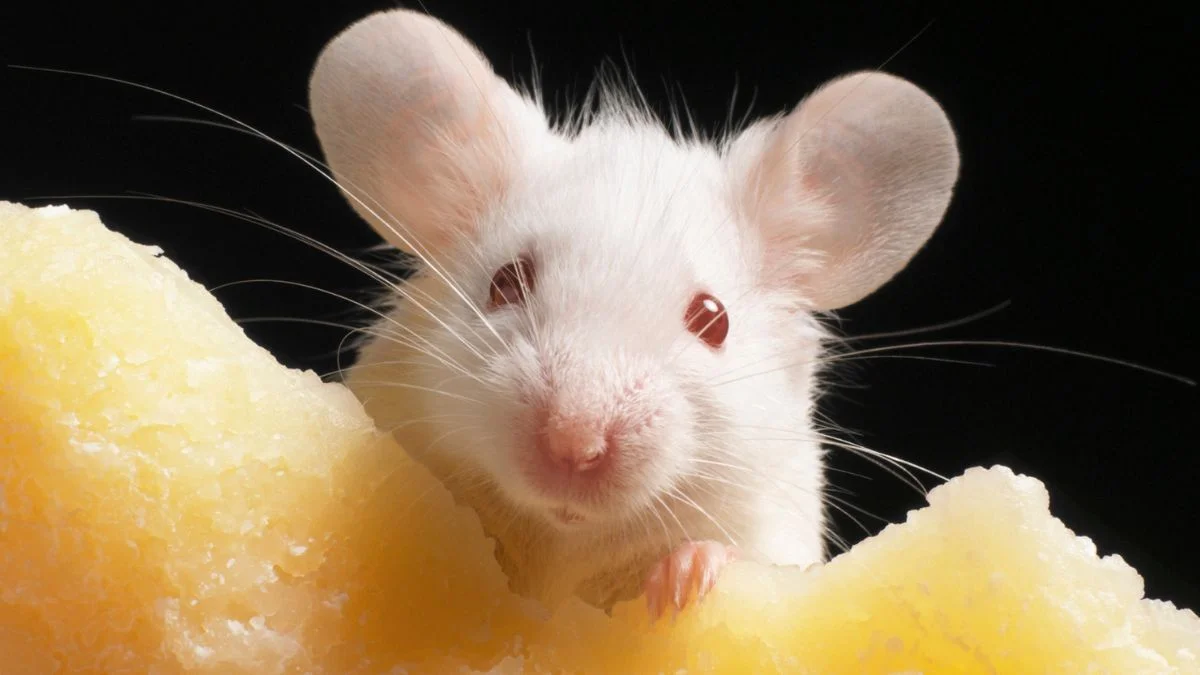
Cloning's mutational cliff: line ends after 58 generations
A Japanese team conducted a serial cloning study starting from one female mouse, re-cloning for 57 generations and producing over 1,200 offspring. By generation 58, accumulated genetic mutations and loss of the X chromosome caused the re-cloned mice to die shortly after birth, effectively ending the line. Crossbreeding later-generation clones with normal mice showed initially normal litter sizes but reduced fertility in later-generation lines, with partial recovery in descendants. The results support Muller's ratchet and reinforce the idea that sexual reproduction is essential for long-term mammalian survival, limiting the practical viability of endless cloning.