Tag

Mammals

All articles tagged with #mammals

Wildlife trade linked to human-pathogen sharing across mammals
science1 day ago

Wildlife trade linked to human-pathogen sharing across mammals

A Science study quantifies the pathogen spillover risk from the global wildlife trade: among 2,079 traded mammal species, about 41% share one or more pathogens with humans, compared with 6.4% of non-traded mammals. Live-trade increases transmission risk, illegal trade plays only a modest role, and species in trade tend to accumulate more pathogens over time (about one extra pathogen per decade of presence). The authors hope the findings inform trade regulations to help curb future pandemics.

Serial mouse cloning hits a hard biological limit after 58 generations
science13 days ago

Serial mouse cloning hits a hard biological limit after 58 generations

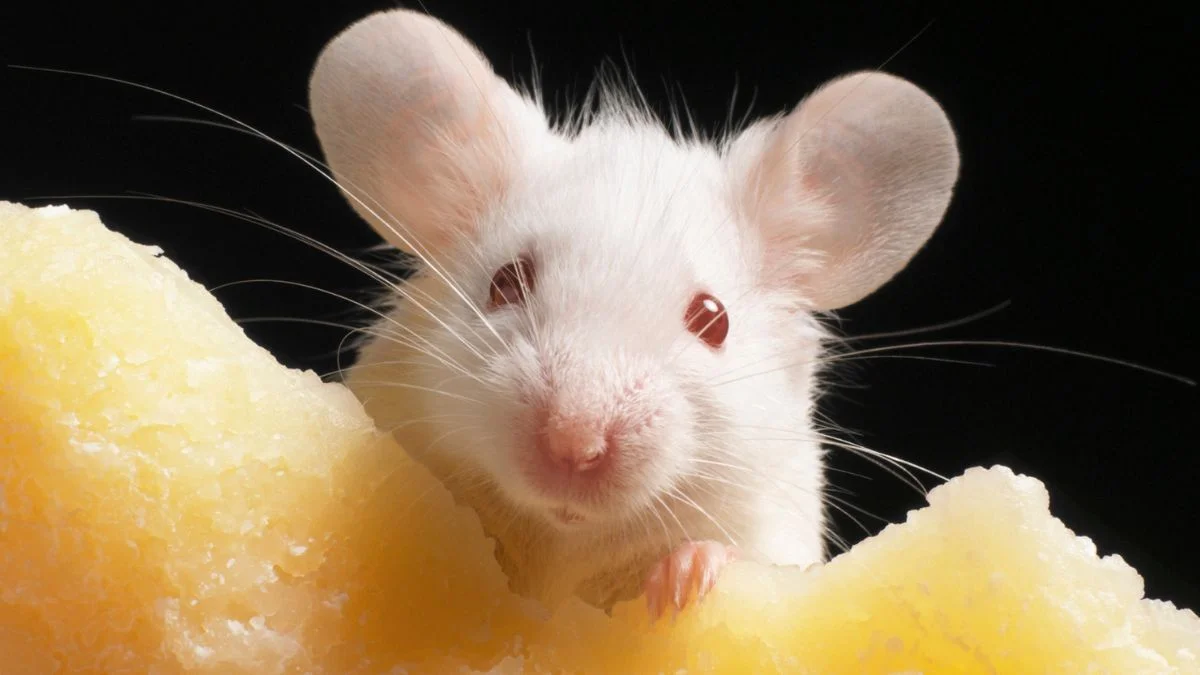
A 20-year mouse cloning study from the University of Yamanashi shows that repeating cloning builds up genome-level damage, reduces fertility, and cannot sustain a mammal line beyond 58 generations—the last generation died soon after birth—despite producing over 1,200 clones from a single donor, indicating current nuclear-transfer cloning methods have a hard biological limit.

Cloning Limit Exposed: Mouse Line Dies After 58 Generations
science15 days ago

Cloning Limit Exposed: Mouse Line Dies After 58 Generations

A two-decade Japanese study recloned a female mouse across 58 generations. By generation 58, all offspring died within a day of birth, with no outward defects, and DNA analysis showed accumulating mutations and occasional loss of an X chromosome. The research indicates a hard limit to mammalian cloning and challenges hopes for infinite lineages, with implications for livestock cloning and de-extinction efforts; no method yet exists to overcome this genetic deterioration.

Cloning's mutational cliff: line ends after 58 generations
science17 days ago

Cloning's mutational cliff: line ends after 58 generations

A Japanese team conducted a serial cloning study starting from one female mouse, re-cloning for 57 generations and producing over 1,200 offspring. By generation 58, accumulated genetic mutations and loss of the X chromosome caused the re-cloned mice to die shortly after birth, effectively ending the line. Crossbreeding later-generation clones with normal mice showed initially normal litter sizes but reduced fertility in later-generation lines, with partial recovery in descendants. The results support Muller's ratchet and reinforce the idea that sexual reproduction is essential for long-term mammalian survival, limiting the practical viability of endless cloning.

Choosing Not to Reproduce May Extend Lifespans Across Mammals, New Study Finds
lifestyle27 days ago

Choosing Not to Reproduce May Extend Lifespans Across Mammals, New Study Finds

A mega-analysis of 117 mammal species shows that restricting reproduction—via contraception or sterilization—can extend life expectancy by about 10%, with male lifespans increasing when testosterone is reduced through castration (vasectomy effects vary), and females living longer when reproduction is blocked. The results point to energetic and hormonal costs of reproduction as a trade-off with survival, though effects vary by species and context, and human implications remain uncertain.

Ancient mammal ancestor reveals early roots of mammalian hearing
science2 months ago

Ancient mammal ancestor reveals early roots of mammalian hearing

CT scans and 3D simulations of the 250‑million‑year‑old cynodont Thrinaxodon liorhinus indicate ear structures capable of tympanic (ear‑based) hearing emerged earlier than previously thought, suggesting the mammalian middle ear began evolving before dinosaurs; the model estimates a hearing range of about 38–1,243 Hz with peak sensitivity near 1,000 Hz at ~28 dB, aiding prey detection and predator avoidance.

New Research Explores Why Females Outlive Males Across Species
science6 months ago

New Research Explores Why Females Outlive Males Across Species

Research shows that female animals generally live longer than males, with patterns varying across species and environments. In mammals, females tend to outlive males due to genetic and reproductive factors, especially in the wild, while in birds, males often have the longevity advantage, possibly due to reproductive costs borne by females. These differences are influenced by genetics, sexual selection, and ecological pressures, and are not universal but context-dependent.