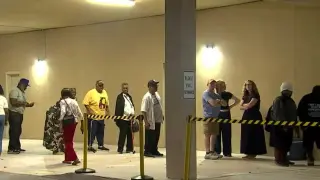
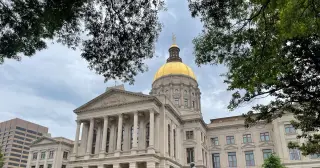
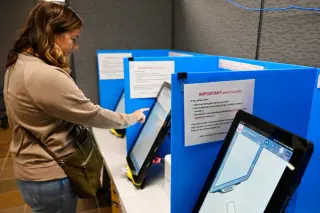
Georgia early voting begins today, October 13, running through October 30. The 2026 midterms feature critical races for U.S. Senate, governor, and other statewide offices, with voters required to present valid photo ID.
James Mills, executive director of the Georgia State Election Board, sent letters to the Department of Justice and Homeland Security demanding the state’s voting machines be declared illegal and a software update be forced before the midterms. Board Chair John Fervier and Vice Chair Salleigh Grubbs stated they did not authorize or review the letters, which went beyond a September 28 resolution. The letters demand a six-month deadline to phase out QR-code tabulation and investigate the secretary of state’s office. This occurs amid a privacy flaw allowing AI to link voters to ballots and a long-standing power struggle within the board.
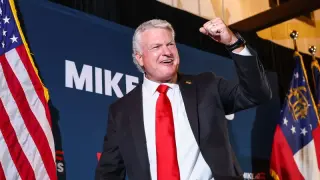
Trump’s late endorsement helped Rep. Mike Collins defeat Kemp-backed Derek Dooley in the Georgia GOP Senate runoff, setting up a fall race against Democrat Jon Ossoff; in the governor’s contest, Rick Jackson—backed by both Trump and Kemp—defeated Jones. The results underscore Trump’s continued sway in GOP primaries but also show mixed outcomes for his nominees elsewhere, with Ossoff remaining a strong fundraiser in a competitive state and 2028 chatter already percolating as the 2026 cycle unfolds.
Georgia lawmakers are seeking a replacement for a vote-counting method that has been banned, weighing options to ensure accuracy, security, and transparency as they push proposals to resolve the issue before upcoming elections.
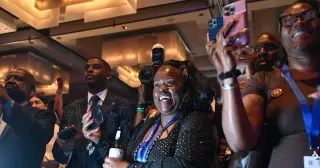
Georgia's Democratic primary underscored Black women as the party's backbone, delivering an outright gubernatorial win for Keisha Lance Bottoms and sweeping down-ballot nominations in a surge that boosted turnout and highlighted the coalition's breadth, while strategists cautioned the party must mobilize beyond its base for a November victory.
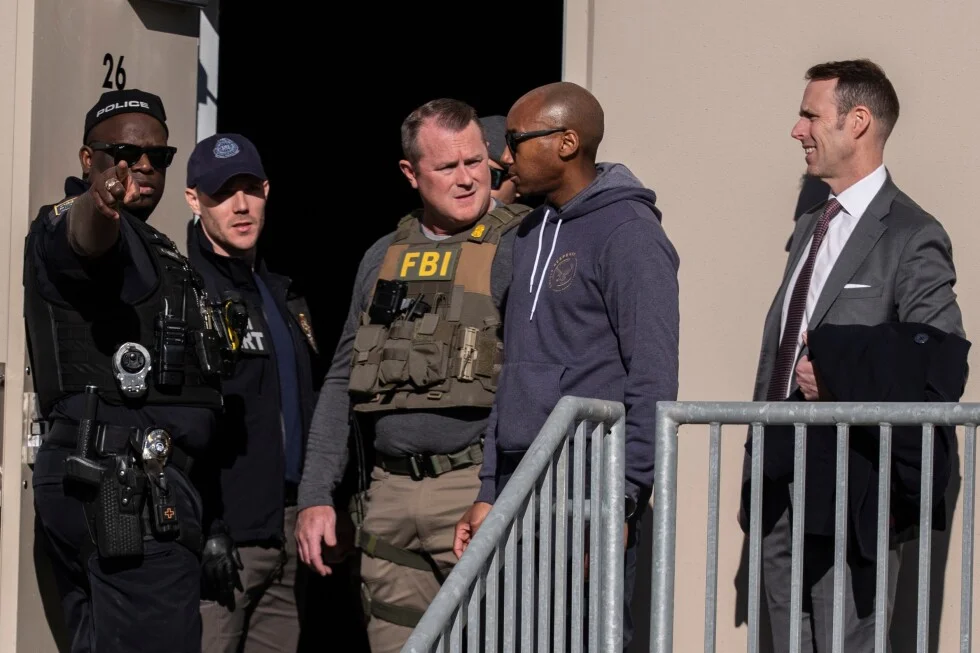
The NAACP asked a judge to issue protections to prevent misuse or disclosure of voter information seized by the FBI from Fulton County’s election facilities in Georgia, arguing that sensitive data must be safeguarded during ongoing investigations.
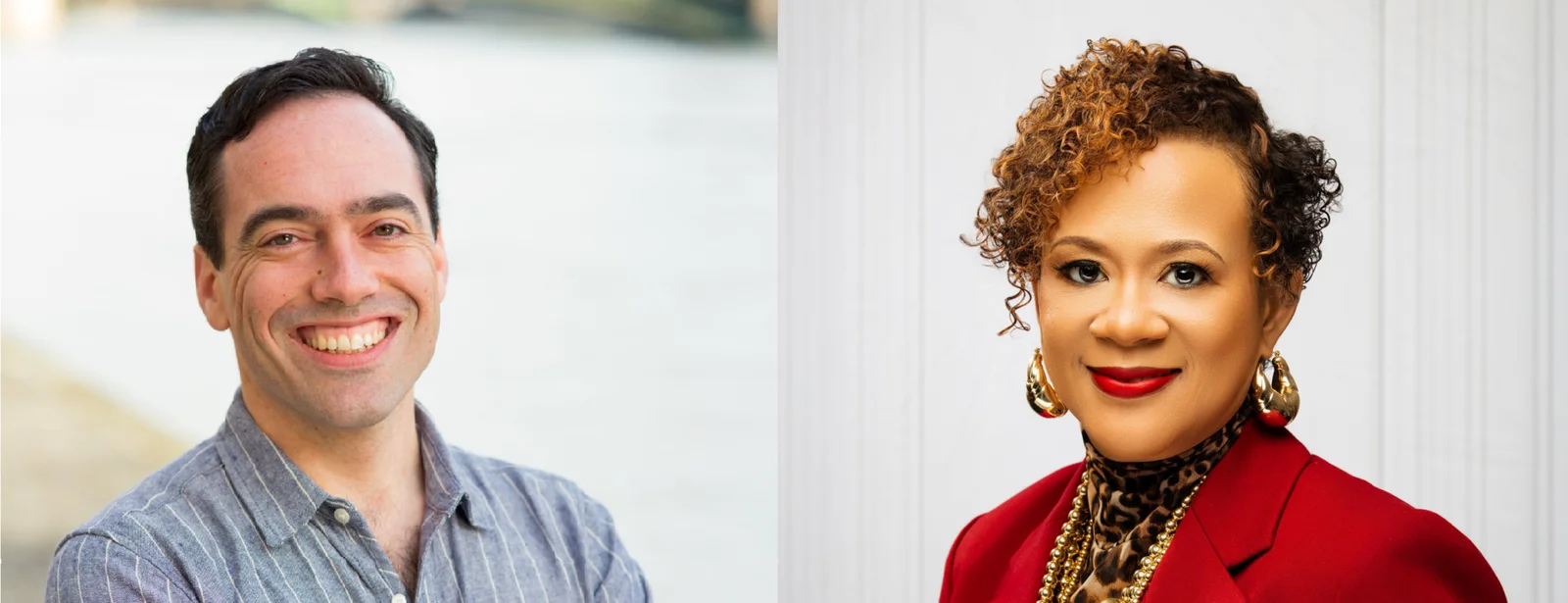
Democrats Peter Hubbard and Alicia Johnson won key seats on Georgia's Public Service Commission, marking the first statewide Democratic wins since 2006 and signaling a shift in energy policy focus towards affordability and clean energy, amid concerns over rising utility costs and outside spending influence.
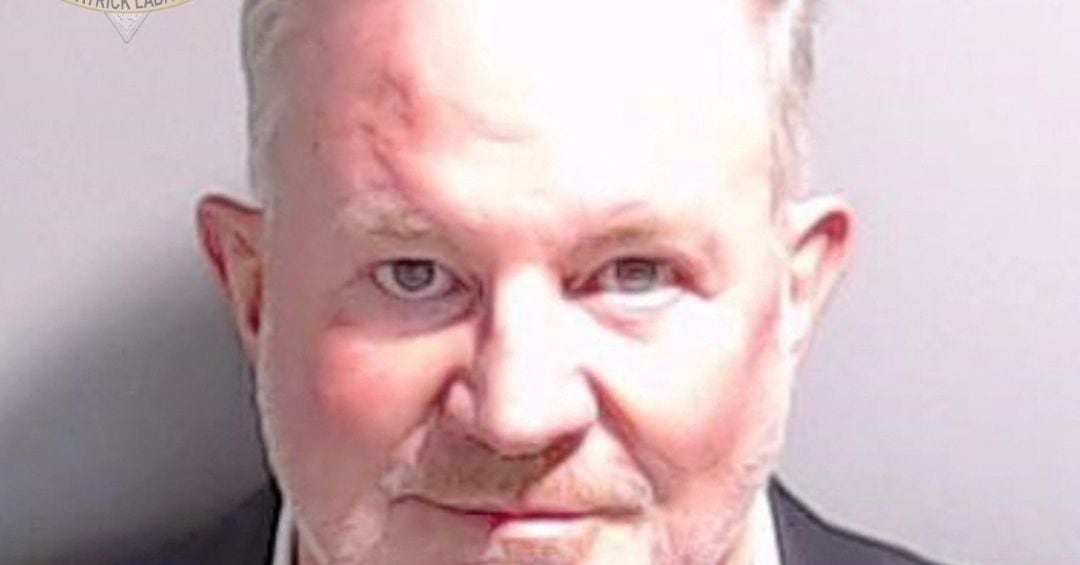
Scott Hall, a former Republican poll watcher and ally of Donald Trump, has pleaded guilty to conspiring to interfere with Georgia's elections as part of Trump's attempts to overturn his 2020 defeat. Hall is the only one of the 19 defendants, including Trump, to plead guilty in Fulton County's conspiracy case. He pleaded guilty to five counts of conspiracy to commit intentional interference with the performance of election duties and will be sentenced to five years of probation, pay a $5,000 fine, and testify against other defendants. Trump faces criminal charges in four cases and has denied wrongdoing in all of them.
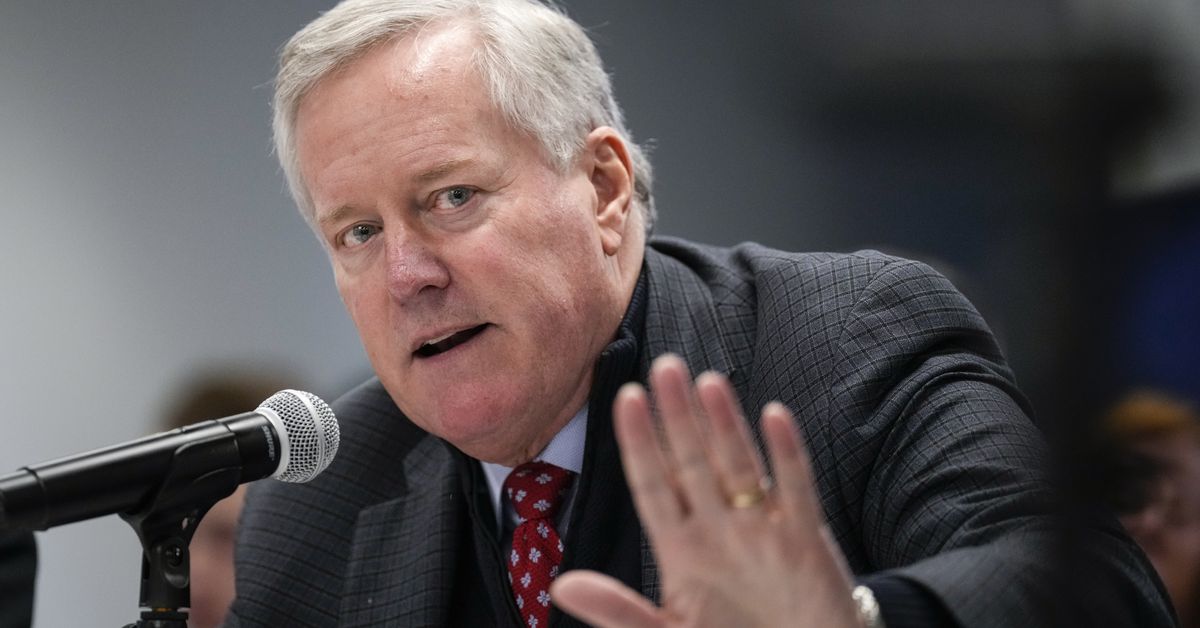
The first major hearing in the case over former President Donald Trump's efforts to overturn the 2020 election in Georgia is happening, with Trump's former White House chief of staff, Mark Meadows, arguing that the case should be tried in federal court instead of state court. Meadows claims he acted in his official capacity when coordinating with Trump and state election officials, but his concession that the allegations concern political activity may undermine his argument. If the case gets broken up, it could disadvantage the prosecution and potentially benefit Trump, allowing him to see legal arguments and jury reactions before his own trial.
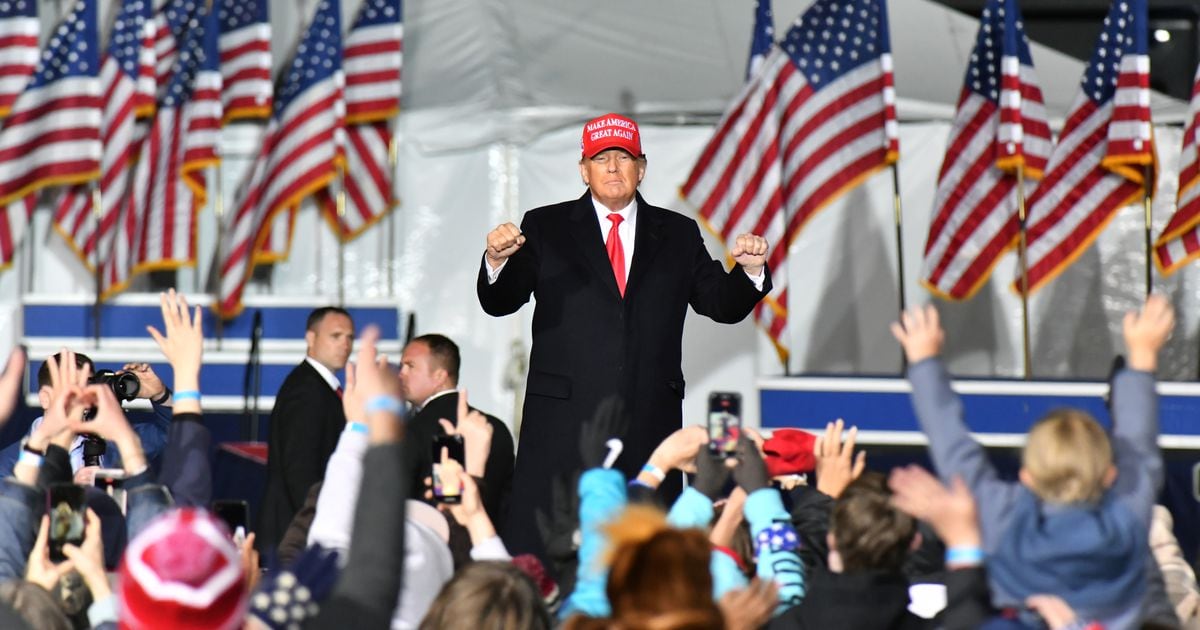
Prosecutors in Fulton County, Georgia, who are investigating whether Donald Trump and his allies criminally interfered in the state's 2020 elections, will be closely watching the former president's address at the state GOP convention this weekend. Trump's speech could give prosecutors new fodder for their ongoing investigation, which has expanded to include events that Trump and his allies were involved in, including the appointment of a slate of "alternate" GOP electors and calls made to other Georgia officials. The Fulton DA's office has continued to compile new information in recent weeks, including interviewing new witnesses and seeking out information from firms hired by the Trump campaign to vet fraud claims.