

Tag

Glp 1 Receptor

All articles tagged with #glp 1 receptor

GLP-1R activation late in life extends lifespan and mitigates aging in aged female mice
science2 days ago

GLP-1R activation late in life extends lifespan and mitigates aging in aged female mice

Late-life treatment of 20‑month‑old female mice with the GLP‑1R agonist semaglutide reduced food intake and significantly extended median lifespan, while improving locomotion, cognition, and glucose control. Semaglutide also alleviated multiple aging hallmarks—e.g., inflammation, cellular senescence, genomic instability, and mitochondrial dysfunction—and promoted neurogenesis. Transcriptomic analyses showed activation of nutrient-sensing pathways and sirtuins, aligning with calorie restriction cues. In a direct comparison, semaglutide mimicked many calorie restriction benefits and offered additional improvements in exploration, memory, and metabolic health, supporting GLP-1R activation as a calorie restriction mimetic with potential anti-aging effects in humans.

Amgen shifts focus to MariTide as AMG 513 is scrapped
business1 month ago

Amgen shifts focus to MariTide as AMG 513 is scrapped

Amgen ended development of its phase 1 obesity drug AMG 513, while continuing the trial for patients already enrolled, and pivoted its obesity strategy to MariTide, a phase 3 antibody–peptide conjugate intended to activate the GLP-1 receptor and inhibit GIPR with a likely four to six doses per year. The company previously faced an FDA hold on AMG 513 and also scrapped AMG 786; MariTide now anchors Amgen’s near‑term obesity program, with weight‑loss readouts expected next year alongside broader studies of cardiovascular risk, type 2 diabetes and sleep apnea. Preclinical obesity assets and other mechanisms remain under exploration.
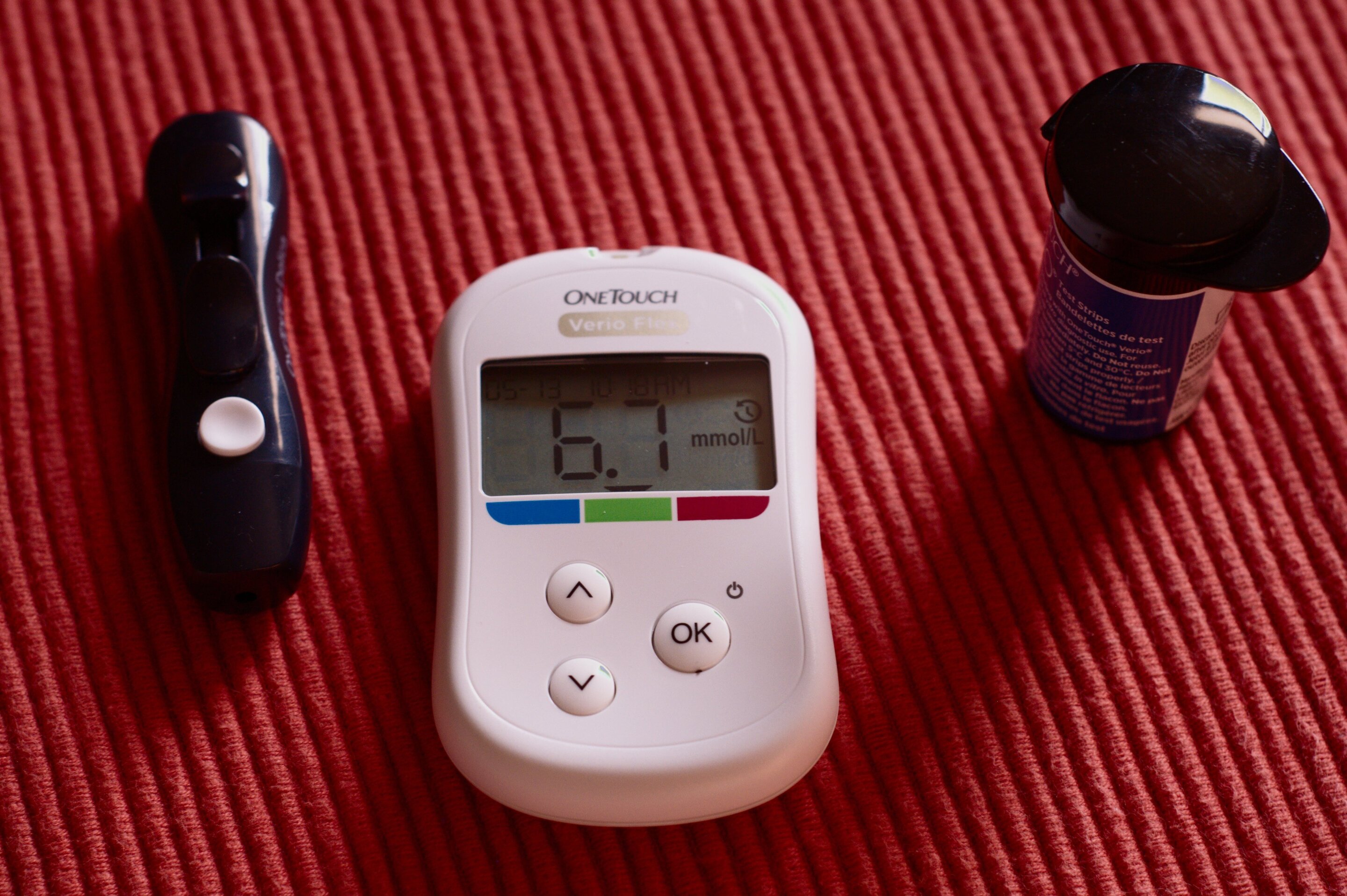

Diabetes Medication Ozempic Reduces Alcohol Consumption by Half in Rats.
health3 years ago

Diabetes Medication Ozempic Reduces Alcohol Consumption by Half in Rats.

Semaglutide, a medication used for type 2 diabetes and obesity, has shown potential as a treatment for alcohol dependence. The drug reduced alcohol relapse drinking and overall alcohol intake in rats by more than half. Semaglutide acts on the GLP-1 receptor and is taken in tablet form once a week. Clinical studies are needed to confirm the findings in humans, but the results offer promising insights into potential additional treatment options for alcohol dependence.