A new study from Kyoto University demonstrates that consuming olive oil before carbohydrates significantly reduces post-meal blood glucose spikes in mice. The research identifies a complex mechanism involving slowed gastric emptying and a coordinated response from glucagon, GLP-1, and vagus nerve signals. While the findings suggest meal sequencing could be a practical tool for diabetes management, experts caution that human clinical trials are still required to confirm these biological effects.
A comprehensive review by Yi Ru and colleagues identifies persistent immune cell dysfunction as a primary reason diabetic wounds fail to heal. The study highlights how macrophages, neutrophils, and dendritic cells become trapped in inflammatory states, preventing tissue repair. This chronic inflammation, driven by disrupted cellular signaling and debris clearance, explains the high cost and severity of diabetic ulcers. The findings suggest that future treatments must target specific immune pathways at precise stages of the healing process to restore normal recovery mechanisms.
The International Diabetes Federation (IDF) has officially recognized a fifth type of diabetes, previously known as malnutrition-related diabetes mellitus (MRDM), after decades of scientific debate. This condition, which affects up to 25 million people globally, is distinct from types 1, 2, 3c, and gestational diabetes because it stems from chronic nutrient deficiencies rather than autoimmune destruction or insulin resistance. The IDF is urging the World Health Organization to adopt this classification to improve diagnosis and treatment, as current therapies for other diabetes types may be ineffective or harmful for type 5 patients. A new working group, chaired by endocrinologist Meredith Hawkins, has been established to develop diagnostic criteria, a global research registry, and training for healthcare professionals. The condition is particularly prevalent in low- and middle-income nations in Asia and Africa, where food insecurity is widespread, and is increasingly recognized in parts of Latin America and the Caribbean. Proper recognition is critical because misdiagnosis can lead to dangerous complications, such as hypoglycemia, when inappropriate insulin treatments are administered to patients who remain sensitive to insulin but have compromised pancreatic development.
Medical experts warn that many individuals overlook subtle physical indicators of diabetes, such as skin darkening and recurrent infections, which can signal elevated blood sugar levels. While frequent urination and thirst are common, other signs like fatigue, unexplained weight loss, and vision changes may indicate the condition. Early detection through awareness of these symptoms and routine screenings is crucial for preventing long-term organ damage.
A new BBC report clarifies that temporary blood sugar rises after eating are a normal physiological process for healthy individuals, not a sign of harm. While wellness influencers often promote the avoidance of all glucose spikes, medical experts argue that brief increases are natural and only concerning if they persist or indicate insulin resistance. The article highlights that continuous glucose monitors (CGMs) are unnecessary for non-diabetics and may even distort health perceptions, recommending balanced diets with fiber and protein instead of strict carbohydrate restriction.
Analysis of over 32,000 UK Biobank participants suggests retinal neurodegeneration begins at A1c levels below current prediabetes thresholds. Researchers identified a turning point for ganglion cell-inner plexiform layer thinning at an A1c of 5.4, and for total macular thickness at 5.3, both lower than the 5.7 prediabetes cutoff. This implies neuronal loss may occur before standard diagnostic criteria are met, potentially necessitating a reevaluation of diabetes diagnosis thresholds.
New research presented at the European Association for the Study of Diabetes suggests that strictly minimizing blood sugar fluctuations may negatively impact quality of life. While maintaining glucose within normal ranges improves well-being, higher variability was associated with better daily mood, possibly because strict control imposes restrictive burdens on daily activities.
Carlos Josue Marchena Marchena, a 36-year-old Costa Rican man with type 1 diabetes, died in U.S. Immigration and Customs Enforcement (ICE) custody at Winn Correctional Center in Louisiana on September 18. His family alleges he suffered from missed insulin shots, inadequate food and water, and lack of blood sugar monitoring. This is the third detainee death at the facility in six months and the 58th ICE detainee death since January 2025. ICE maintains that Marchena received proper medical care, while a recent Department of Homeland Security inspection found the facility violated federal standards for medical care and food service. The official cause of death is pending.
People taking GLP-1 medications (e.g., Ozempic, Mounjaro, Wegovy, Zepbound) can usually fast for Yom Kippur, but should plan with a clinician. For weekly injections, keep to the schedule; daily regimens may require timing adjustments, and oral GLP-1 pills are taken on an empty stomach, which may conflict with fasting. Those with diabetes face higher risks of lows when GLP-1s are used with other glucose-lowering drugs like insulin or sulfonylureas, so dosing and timing should be discussed with a doctor. Prefast meals, hydration, and blood-sugar monitoring are important; break the fast with a gentle, balanced meal and quick carbohydrates if needed. Seek medical guidance before fasting, especially if diabetes is not well controlled or if kidney issues or GI side effects are present.
Up to 80% of heart disease and stroke are preventable with lifestyle changes. Doctors warn that Type 2 diabetes is a silent assassin that often goes undetected for years and sharply raises the risk of heart attack and stroke by damaging blood vessels and promoting atherosclerosis. To prevent or delay diabetes, focus on weight loss, a diet of whole foods, and regular physical activity, while limiting high-starch white foods like white bread, rice, pasta, and sugary items—especially for kids—to curb lifelong risk.
A secondary analysis of the DASH4D trial in 101 adults with type 2 diabetes found that a diabetes-tailored DASH diet reduced glycemic biomarkers versus a typical US diet: fructosamine −5.6 μmol/L, fasting glucose −4.5 mg/dL, and HbA1c −0.09 percentage points, with larger fructosamine reductions in those with higher baseline HbA1c. Adherence was high and weight remained stable, with meals prepared in a metabolic kitchen. Limitations include exclusion of HbA1c >9% and small subgroup sizes. The findings suggest DASH4D could offer a practical eating framework to improve glucose control in diabetes.
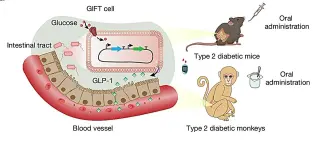
Researchers from East China Normal University engineered an oral probiotic called GIFT that resides briefly in the gut, senses real-time blood glucose elevations, and autonomously secretes GLP-1 to lower glucose levels. In tests with mice and non-human primates, it improved glycemic control and lipid profiles, and human trials are planned, offering a potential on-demand alternative to some insulin regimens and traditional GLP-1 therapies in the future.
Dominick Bianchi, a 35-year-old newlywed from East Greenbush, NY, who was last seen Tuesday morning at his home and left behind his cellphone, wallet and car, was found dead in a wooded area. Police have not announced a cause of death. His wife had publicly pleaded for his return, and family members said he had recent mental-health struggles and type 1 diabetes.
Members of the American Diabetes Association launched an immediate boycott protesting leadership after five researchers were removed from the June meeting for distributing an editorial on federal funding cuts. Editors of Diabetes Care joined, suspending manuscript reviews, with 400+ signees pledging to halt ADA-related activities until an independent review of the organization's structure and leadership is conducted. Tensions rose after ADA blocked six op-eds; initial internal findings claimed code-of-conduct violations but later said the investigation is ongoing. The movement seeks meaningful reforms and may align with other medical societies if unmet; a final report is due soon.
A geriatrician warns of a growing dementia epidemic and says starting statins soon after a type 2 diabetes diagnosis may lower dementia risk, especially vascular dementia, though the cited study does not prove causation.