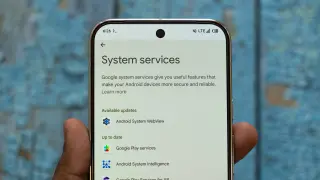
Google Play Services v26.32 introduces Googlebook multi-device setup prompts for PC convergence, expands Tap to Share to include links and location sharing, adds Wear OS location sharing and Wallet age credentials, plus Play Store and WebView enhancements, signaling deeper Android ecosystem integration and groundwork for Googlebooks.
Chromebooks are capable machines beyond basic web browsing. The article highlights five features to enable: Phone Hub for Android integration and browsing continuity; Virtual Desks to create separate workspaces and quickly switch between them; Google Play Store to run Android apps offline and expand app availability; Nearby Share for fast, direct file transfers between devices; and Linux support to install desktop-class software like GIMP and LibreOffice, turning a modest Chromebook into a powerful development or creative machine.
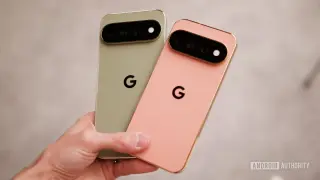
The Google Play Store’s Play Points Perks page hides discounts on Pixel 11 phones and Pixel Watch 5 in the US. Platinum members reportedly get $150 off the Pixel 11 or Pixel 11 Pro, $175 off the Pixel 11 Pro Fold, and $75 off the Pixel Watch 5, via discount codes to apply at checkout before August 30. The deals can stack with trade-in discounts.
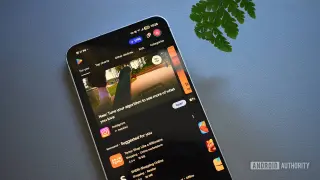
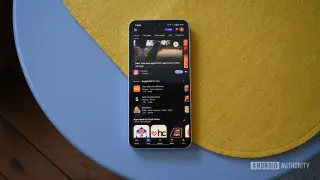
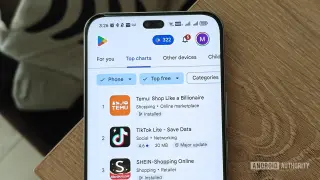
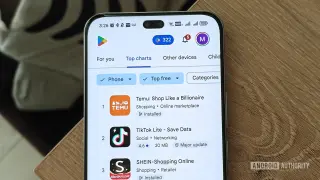
Google is rolling out a UI redesign for the Play Store, primarily affecting the Games and Apps tabs. The update features pill-shaped tabs, separate pages for Top charts and Categories, removal of the For you tab (now the default home), and a revamped Play Points/badge design, with the Books tab remaining on the old UI. The rollout appears to be widescale and may appear differently across devices.
Google Play Store v52.1 promises faster performance across Android devices—phones, tablets, Android Auto/Automotive, Google TV, and Wear OS—while improving memory usage and adding AI-generated content labeling for listings and a new in-game video discovery experience with PiP. Google also teased an AI sidekick for games. Updates can be obtained by updating Google Play services, checking for system updates, or updating the Play Store from the store page.
Google is implementing Epic settlement changes to the Play Store: Europe, the UK, and the US start with a two‑part fee (5% billing plus a 10% service fee on the first $1M earned per year, rising for larger or existing transactions and capping new installs at 20%); developers can direct users to external payment options via a guided choice screen, avoiding the Play Store billing fee for those purchases. Australia joins September 30; Japan and Korea on December 31; the rest of the world by September 30, 2027. New fee-relief programs (Games Level Up and Apps Experience) will offer lower transaction fees in Europe, the UK, the US, and Australia starting September 30 this year, with expansion later. Google still controls the Android ecosystem, with future steps to certify third‑party app stores.
Google Play Store v51.7 delivers a major usability refresh across Android phones, TVs, and Auto, with redesigned purchase/download dialogs, clearer app deal prices and expiration dates, merged auto-install/pre-registration for upcoming releases, and new listing and Play Collections enhancements to improve navigation and rewards tracking.
Google Play Store code in version 51.4.19 hints at a feature that would notify Android users when an installed app is removed or delisted, addressing the current gap where Play Protect only alerts for serious security issues; the idea comes from work-in-progress strings spotted in APK teardowns and may not yet be released publicly.
Security researchers from ESET uncovered 28 Android apps on Google Play that claimed to unlock access to call histories but merely charged users for fake data; together they amassed over 7.3 million downloads before removal, with payments made via Google Play Billing, UPI-based apps (Google Pay, PhonePe, Paytm), or direct card checkout. Some apps even spoofed an Indian government developer name. Refunds may be available for Google Play purchases, but third‑party payments aren’t refundable. The report also notes a separate Indonesian fraud campaign (GoldFactory) using phishing, malware, and social engineering to steal about $2 million.
Bloomberg, citing the Tech Transparency Project, says Apple and Google continue to host nudifying apps that can alter images to appear nude, with 18 such apps in the Apple App Store and 20 in Google Play, totaling hundreds of millions of downloads and about $122 million in revenue; Apple has removed some apps and blocked related search terms, while Google has suspended others; regulators worldwide are pushing for stronger action against nonconsensual sexual content online.
A Tech Transparency Project report finds that Apple and Google continue to host Nudify apps that can alter images to look nude, despite store policies; searches for terms like nudify or undress reveal such apps and ads for similar tools in both stores, with some removed but dozens remaining and reportedly 483 million downloads and about $122 million in revenue according to AppMagic estimates; enforcement is described as uneven and opaque, prompting calls for broader curbs on these apps worldwide.
Doki Doki Literature Club has been pulled from Google Play for allegedly violating the store’s Terms of Service with its depiction of sensitive themes. The developers say they’re pursuing a path to reinstate the Android version and are exploring alternate distribution options, while the game remains available on iOS, PC, Nintendo Switch, and PlayStation.
The Android version of Doki Doki Literature Club was removed from Google Play for alleged policy violations related to depictions of sensitive themes; Serenity Forge says it’s fighting to restore the game and defends the portrayal of mental health, noting the title remains on iOS and other platforms and had strong reviews before removal.
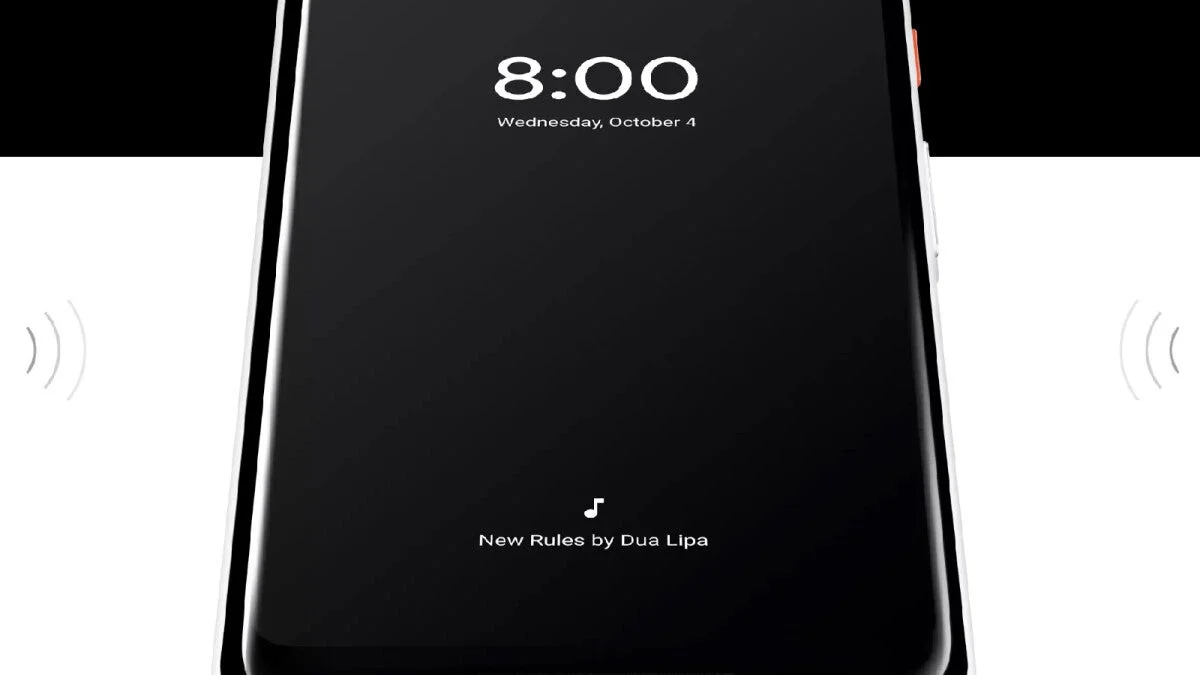
Google is building a dedicated Now Playing app for Pixel phones, revealed by hidden Android System Intelligence code, which would host the feature as com.google.android.apps.pixel.nowplaying and could allow migrating song history to future devices; no official release date yet, though timing may align with the March Pixel Drop.
The Google Play Store is rolling out an update (v48.8) that will allow users to remotely uninstall apps from devices they don't have with them, making app management more convenient. The feature is expected to be available as early as November 10.