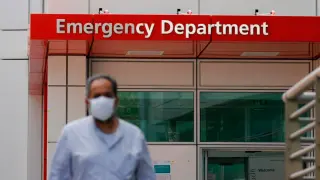
A regional study in New York found that 40% of healthcare facilities failed basic pandemic response drills. Actors simulating H5 bird flu infections revealed slow isolation times, inconsistent PPE use, and poor screening for avian exposure across 73 sites.
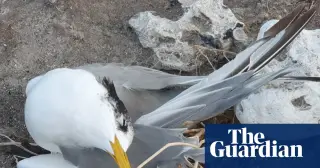
South Australia declares a significant escalation of H5 avian influenza after three mass mortality events killing more than 1,000 greater crested terns on Troubridge and Pages Islands; a suspected H5 case in a little penguin on Kangaroo Island and 28 dead little penguins on King Island are under investigation, with testing underway. Detections are spreading to additional sites in SA, while NSW and Tasmania report further cases. No poultry or livestock infections have been detected. Aerial surveillance is ongoing and authorities are considering targeted vaccination for captive native species as a conservation measure, with broader vaccination of wild birds deemed impractical.
Canada has reported its first presumptive human case of H5 bird flu in a teenager from British Columbia, likely contracted from a bird or animal. The teenager is receiving care, and health officials are investigating the source of exposure while assessing contacts. The risk to the public is considered low, and there is no evidence of person-to-person transmission. This case is part of a broader pattern of H5 bird flu affecting wild birds and poultry globally, with recent human cases in the US.